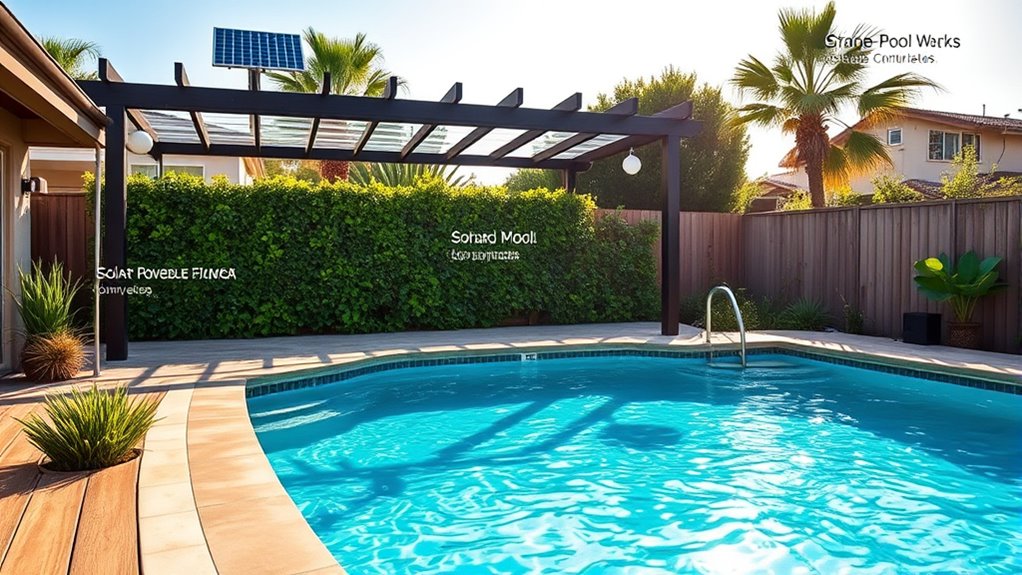

Eco-friendly pool upgrades can cost between $1,000 and $8,000, depending on the features you choose, like solar heating systems or energy-efficient pumps. Solar heating typically costs $3,000 to $8,000, but it can save you hundreds annually on energy bills. Modern pumps cost less over time due to lower energy use and durability. By investing now, you’ll enjoy long-term savings and a more sustainable pool environment. Keep going to discover more about these cost-effective enhancements.
Key Takeaways
- Solar heating systems typically cost $3,000 to $8,000, depending on size and complexity.
- Energy-efficient pumps range from $1,000 to $2,500, offering long-term savings.
- Upfront costs may be offset by rebates or incentives from manufacturers or local programs.
- Maintenance expenses are generally lower, with minimal upkeep for solar and modern pump systems.
- Long-term savings on energy bills can offset initial investments within 5 to 10 years.
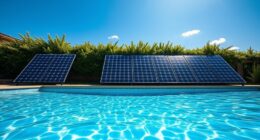
Are you looking for ways to make your pool more sustainable? One of the best options is upgrading to eco-friendly features like solar heating and energy-efficient pumps. While these investments do come with upfront costs, they can considerably reduce your long-term expenses and environmental impact. Solar heating systems harness the sun’s energy, providing a free and renewable way to keep your pool warm. Installing solar panels isn’t cheap initially, but over time, they can save you hundreds or even thousands of dollars on energy bills each year. Plus, they cut down your reliance on traditional energy sources, making your pool more eco-friendly.
Upgrade your pool with solar heating and energy-efficient pumps for long-term savings and sustainability
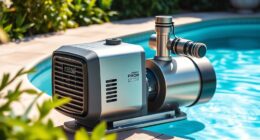
Energy-efficient pumps are another essential upgrade. Older pumps tend to use a lot more electricity than newer models designed with energy conservation in mind. By switching to an energy-efficient pump, you lower your electricity consumption, which means lower bills and less strain on the power grid. These pumps are often more durable and quieter, adding to your pool’s convenience and sustainability. The upfront cost might seem high, but the savings on electricity can quickly offset the initial expense, sometimes within a few years.
When considering these upgrades, it’s important to weigh the costs against the benefits. Solar heating systems typically range from $3,000 to $8,000, depending on the size and complexity, but they can pay for themselves in energy savings within 5 to 10 years. Energy-efficient pumps usually cost between $1,000 and $2,500, but their reduced energy use can lead to considerable savings over their lifespan. Many manufacturers also offer rebates or incentives for installing eco-friendly pool equipment, which can help offset some of the initial costs.
Beyond the direct costs, you should also factor in maintenance expenses. Solar heating systems require minimal upkeep, mostly periodic cleaning of panels, which is straightforward. Energy-efficient pumps generally have longer warranties and less frequent repairs, due to their modern design and better components. Although these upgrades involve an investment, they boost your pool’s sustainability and can increase your property’s value. Plus, knowing you’re reducing your carbon footprint and conserving resources adds a level of satisfaction that money alone can’t buy.
Ultimately, making your pool more eco-friendly isn’t just about the initial price tag; it’s about the long-term savings, environmental benefits, and enhanced pool experience. With the right investments like solar heating and energy-efficient pumps, you’ll enjoy a more sustainable, cost-effective, and eco-conscious backyard oasis. Additionally, integrating renewable energy solutions like solar power can further optimize your pool’s eco-friendliness and energy independence.
Frequently Asked Questions
What Are the Long-Term Savings of Eco-Friendly Pool Upgrades?
You’ll save money long-term with eco-friendly upgrades like solar heating and natural filtration, which reduce energy and chemical costs. Solar heating harnesses sunlight to warm your pool efficiently, cutting electricity bills. Natural filtration minimizes the need for expensive chemicals and maintenance. Over time, these upgrades lower your operational costs, extend your pool’s lifespan, and help the environment, making your investment worthwhile and more economical in the long run.
How Do Eco-Friendly Upgrades Affect Pool Maintenance Frequency?
Like a well-tuned machine, eco-friendly upgrades can streamline your pool care. Switching to chlorine alternatives and installing solar heating reduces the need for frequent chemical balancing and manual labor. These upgrades maintain better water quality, meaning you might need to check pH levels less often and schedule fewer chemical additions. Overall, your pool becomes easier to maintain, giving you more time to enjoy it rather than work on it.
Are There Any Government Incentives for Eco-Friendly Pool Upgrades?
Yes, you can benefit from government grants and tax incentives for eco-friendly pool upgrades. These programs aim to promote sustainable practices and reduce environmental impact. You might qualify for financial assistance or tax credits when installing energy-efficient equipment, solar heaters, or water-saving systems. Check local, state, or federal resources to see what specific incentives are available in your area, and take advantage of these opportunities to lower your upgrade costs.
How Do Eco-Friendly Pool Materials Compare in Durability?
You might think eco-friendly pool materials are fragile, but surprisingly, their durability often rivals traditional options. Thanks to eco-friendly construction, these materials, like recycled composites and sustainable tiles, withstand pool wear and tear quite well. It’s ironic how choosing eco materials not only benefits the environment but also offers solid pool material durability. So, you get longevity and sustainability, proving that being eco-conscious doesn’t mean sacrificing quality.
What Is the Typical Lifespan of Eco-Friendly Pool Equipment?
You can expect eco-friendly pool equipment to last around 10-15 years with proper maintenance. Pool cover longevity varies but typically ranges from 5-10 years, while solar heating systems often have a lifespan of about 10-15 years. Regular upkeep helps extend these lifespans, ensuring you get the most out of your eco-friendly investments. Keep an eye on wear and tear to maximize your pool equipment’s durability.
Conclusion
Thinking about upgrading your pool to be more eco-friendly? While the initial costs might seem steep, the long-term savings and environmental benefits are worth it. You’ll enjoy lower energy bills, a greener footprint, and a safer, more sustainable backyard. So, isn’t creating a beautiful, eco-conscious oasis in your own backyard worth the investment? With a little planning, you can make your pool both luxurious and eco-friendly—why not take the first step today?