TL;DR

Get pool and patio gear delivered free with Prime
- Fast, free delivery on millions of items
- Prime Video, Amazon Music and more included
- Member-only deals all year
A homeowner shares how to convert a standard AC unit into a smart device without risking their security deposit. The method involves non-invasive, temporary modifications that do not damage the appliance or property. This approach offers a cost-effective way to enjoy smart features while avoiding landlord conflicts.
A homeowner has shared a practical approach to turning a traditional, non-smart air conditioning unit into a smart device without risking their security deposit. This method involves non-invasive modifications that are temporary and easily reversible, allowing users to enjoy smart features such as remote control and scheduling without damaging the property or the appliance.
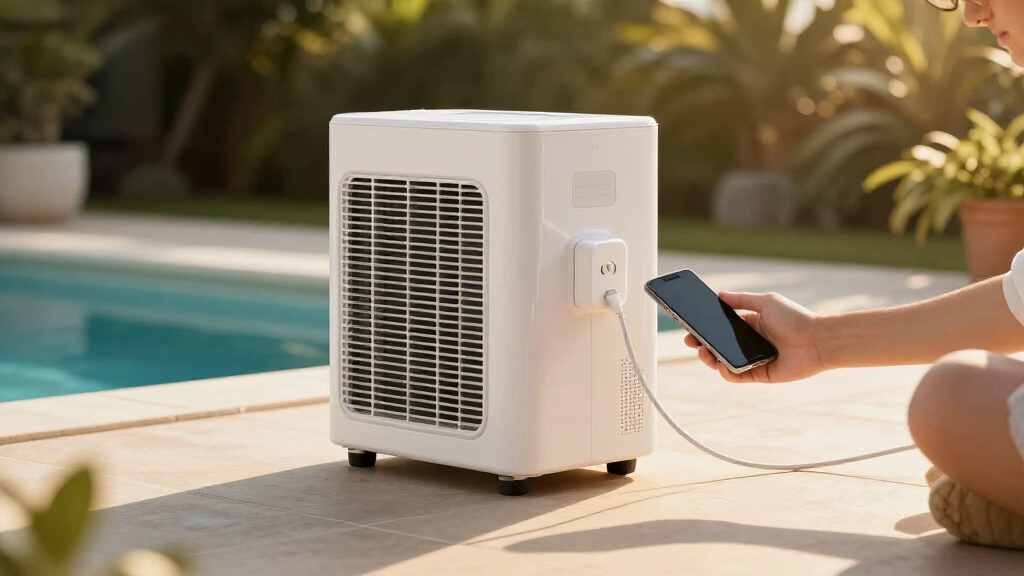
The technique involves attaching a smart plug or outlet to the AC unit’s power source, which allows remote control and scheduling via a smartphone app. The homeowner emphasizes that this method does not require any permanent alterations to the AC or its wiring, thereby avoiding potential disputes with landlords or property managers.
According to the homeowner, the key is using a high-quality, UL-listed smart plug that can handle the AC’s power load. They also recommend ensuring the plug is plugged into a properly grounded outlet and that the AC’s power cord remains intact and unmodified.
Some users have expressed concern about safety and effectiveness, but experts confirm that when used with appropriate devices, this setup is safe and functional. The homeowner reports that this approach has successfully enabled remote control, energy monitoring, and scheduling features for their AC unit without any issues.
Practical Benefits of Non-Invasive Smart Upgrades
This method provides a cost-effective, low-risk way for renters and homeowners to upgrade their appliances with smart features. It allows users to automate and control their AC units remotely, potentially saving energy and improving comfort. Importantly, because the modifications are temporary and do not involve tampering with the appliance or property wiring, they do not jeopardize security deposits or violate lease agreements. This approach can serve as a model for other appliance upgrades where permanent modifications are undesirable or prohibited.
Products Worth Considering

Levoit Core 400S-P Smart Air Purifier for Large Rooms

Levoit Vital 100 Air Purifier for Home Bedroom

BLUEAIR Mini Restful Air Purifier with Sunrise Alarm Clock and Nightlight
As an affiliate, we earn on qualifying purchases.
Background on Smart Home Device Integration and Rental Restrictions
Many homeowners and renters want smart features for their appliances but face restrictions due to lease agreements or property rules. Permanent modifications, such as wiring changes or installing built-in smart systems, can lead to disputes or deposit deductions. The rise of smart plugs and outlets has provided a workaround, enabling users to add smart capabilities without invasive work.
There have been ongoing discussions online about balancing smart home upgrades with rental agreements, with many sharing tips for non-invasive, reversible modifications. Experts agree that using high-quality smart plugs is a safe, effective solution when used correctly and within device limits.
“Using a good smart plug is all you need to control your AC remotely without any permanent changes. It’s safe, simple, and reversible.”
— Homeowner who shared the method
Potential Limitations and Safety Considerations
While the homeowner reports success, it is not yet clear whether this method is suitable for all AC units, especially larger or older models. There is also limited data on long-term safety and reliability, particularly regarding continuous operation and power surges. Some landlords or property managers may still view such setups as risky or non-compliant, depending on lease terms.
Monitoring Effectiveness and Legal Considerations
Further testing and user reports are needed to confirm the safety and reliability of this approach across different AC models. Homeowners and renters should verify lease agreements and consult with property managers before implementing such modifications. Manufacturers and safety agencies may also issue guidance on using smart plugs with appliances like air conditioners.
Key Questions
Is using a smart plug safe for my air conditioner?
When used with a high-quality, UL-listed smart plug that matches the AC’s power requirements, this method is generally safe. However, always ensure the device’s specifications are compatible and follow safety guidelines.
Will this void my security deposit?
No, because the setup involves no permanent modifications or damage to the property or appliance. It is a reversible, non-invasive solution.
Can I control my AC remotely with this method?
Yes, using a smart plug connected to your Wi-Fi network, you can turn the AC on/off, set schedules, and monitor energy use via a smartphone app.
Are there any risks or downsides?
Potential risks include overloading the smart plug if not rated properly, or compatibility issues with older AC models. Always use devices within their specified limits and consult safety guidelines.
Will my landlord allow this setup?
This depends on your lease agreement and property rules. Since the method is non-permanent and reversible, it is less likely to cause issues, but it’s best to check with your landlord beforehand.
Source: hn