
TL;DR

Get pool and patio gear delivered free with Prime
- Fast, free delivery on millions of items
- Prime Video, Amazon Music and more included
- Member-only deals all year
Rice hulls are used in potting mixes, garden beds, compost and as mulch, with processed whole hulls able to improve drainage and air space in some container media. They are not a complete fertilizer, and results depend on the hull product and the rest of the growing mix.
A Grow Organic report describes how rice hulls—the coverings removed from rice grains during milling—can be used in potting mixes, beds and mulch, with the effect depending on how the hulls were processed and what else is in the growing medium. The report says hulls can help create air space and drainage in some mixes, but they are not a complete fertilizer.
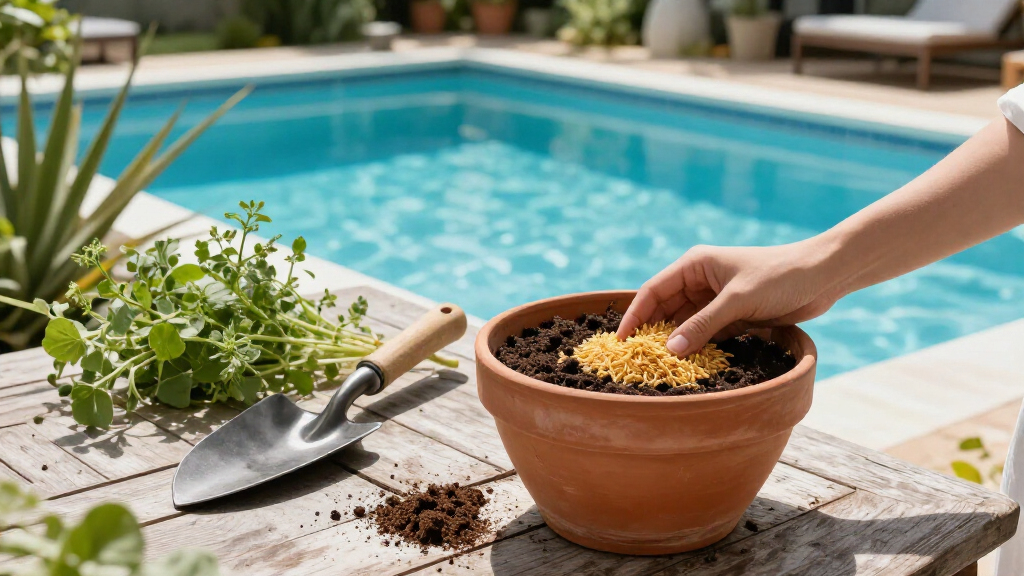
Whole parboiled rice hulls are among the types discussed for container growing. Purdue Extension reports that parboiled hulls can increase drainage and air-filled pore space in peat-based media, making them a possible perlite alternative in suitable formulations. That does not mean they will perform the same way in every recipe: the overall mix, crop and product all affect results.
The report distinguishes this use from composted hulls, which break down into smaller particles and can contribute water-holding capacity, according to the University of Arkansas. Carbonized hulls are another product, and research cited from the International Society for Horticultural Science found good drainage and high porosity in the specific material studied. Those findings should not be assumed to apply to every product. Raw hulls may contain seeds that can sprout; Purdue Extension says parboiling helps eliminate viable seeds.
Rice hulls can also be spread on the soil surface as mulch. USDA research cited in the report found parboiled hulls suppressed bittercress and liverwort in nursery containers. The result does not establish control of all weeds or weeds already growing, and the lightweight hulls may blow away or move during irrigation. The report advises following product directions or a tested growing-media recipe rather than using one universal mixing rate.
Choosing Hulls for the Growing Job
For gardeners, the main practical point is that “rice hulls” are not one interchangeable product. Whole hulls may add air space, while composted hulls can behave differently and contribute smaller particles. Choosing the wrong type—or using a rate without accounting for the other ingredients—could change drainage and moisture behavior in a container.
The distinction also helps prevent a common misunderstanding: hulls are primarily a growing-media ingredient or soil amendment, not a ready-made nutrient source. They contain carbon-based organic matter that breaks down, but the source report says not to rely on untreated hulls for complete plant nutrition. Fertility should instead be managed for the crop and guided by soil or media testing.
As an affiliate, we earn on qualifying purchases.
How Processing Changes Rice Hulls
Rice hulls, also called rice husks or rice chaff, are the protective coverings removed from grains after harvest. Processing affects how the material behaves. Raw hulls are unprocessed; parboiled hulls have been treated with heat; carbonized hulls have been heated under conditions that turn some material into char; and composting breaks hulls into smaller particles.
Most of the research summarized by Grow Organic concerns container growing media, not garden-bed soil. The report therefore cautions against applying container findings automatically to beds, or treating rice husk ash as ordinary hulls. It says the reviewed sources do not establish a universal benefit or application rate for ash in home gardens.
“Parboiled hulls can increase drainage and air-filled pore space in peat-based media.”
— Purdue Extension, as summarized in the Grow Organic report
parboiled rice hulls for potting mix
As an affiliate, we earn on qualifying purchases.
As an affiliate, we earn on qualifying purchases.
Mix Rates and Results Vary
The report does not give one recommended mix rate for all crops, products or growing conditions. It says benefits depend on the full growing medium, and most cited research is about containers rather than garden beds. The supplied material also does not establish that hulls improve water retention in every mix; whole hulls generally drain well, so moisture behavior depends on the other ingredients.
Weed suppression evidence is limited to particular weeds and nursery-container research. It does not show that rice hull mulch will stop every weed, prevent existing weeds from growing, or stay in place in windy areas. The report also provides no universal application rate for carbonized hulls or rice husk ash; gardeners should check product details and crop suitability.
As an affiliate, we earn on qualifying purchases.
Check the Product and Growing Mix
Before use, gardeners should identify whether a product is raw, parboiled, composted or carbonized and follow its label or a tested recipe for the crop. For containers, assess the whole mix rather than adding hulls by a fixed rule. For beds, use them only where their light structure suits the soil goal, and monitor whether mulch shifts after wind or watering.
For plant nutrition, use crop-specific guidance and soil or growing-media tests rather than treating plain hulls as fertilizer. The supplied report offers no new trial or forthcoming policy decision; its practical recommendation is to match the processed material to the intended use and judge results in the complete growing system.
As an affiliate, we earn on qualifying purchases.
Key Questions
Do rice hulls work as fertilizer?
No, not as a complete fertilizer. The report describes plain hulls mainly as a growing-media ingredient or soil amendment. Use crop-specific fertility guidance and soil or media testing for nutrient needs.
Can rice hulls replace perlite?
Sometimes, in a suitable mix. Purdue Extension reports that parboiled hulls can increase drainage and air-filled pore space in peat-based media. Performance depends on the full recipe and product, so do not assume a one-for-one replacement works for every crop.
Are rice hulls useful as mulch?
They can cover soil, and research cited in the report found parboiled hulls suppressed bittercress and liverwort in nursery containers. That result does not guarantee control of other weeds, and lightweight hulls may move in wind or irrigation.
Are raw and parboiled hulls the same?
No. Raw hulls are unprocessed and may contain seeds that can sprout. Parboiling uses heat and, according to Purdue Extension, helps eliminate viable rice and weed seed.
How much rice hull should I add?
The source report does not provide one rate for every use. Follow product directions or a tested recipe, taking the crop and the other ingredients in the growing mix into account.
Source: rss
Halloween Picks
halloween
As an affiliate, we earn on qualifying purchases.