TL;DR

Get pool and patio gear delivered free with Prime
- Fast, free delivery on millions of items
- Prime Video, Amazon Music and more included
- Member-only deals all year
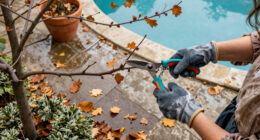
Country Living’s gardening report recommends moving portable potted plants to a garage, shed, basement or home before frost. For pots that must remain outside, it advises grouping and covering containers, adding mulch and watering as needed; exact protection depends on plant and local conditions.
Country Living has published guidance on protecting outdoor potted plants before the first frost, recommending that gardeners move containers indoors when possible or insulate them outside. The advice matters because container plants do not receive warmth from surrounding ground soil and can be particularly exposed to cold.
For pots that are light enough to move, the report suggests placing plants in a garage, shed, basement or indoor space. If the chosen area becomes very cold overnight, gardeners can wrap the containers with old sheets or blankets. Moving plants is presented as the simplest option when both lifting the pots and finding suitable space are practical.
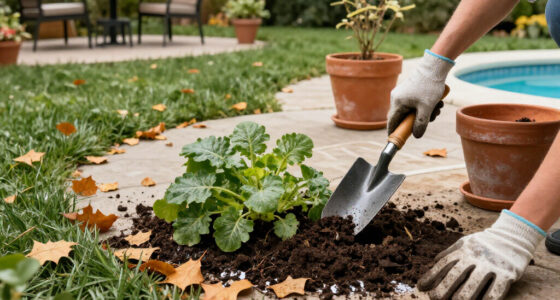
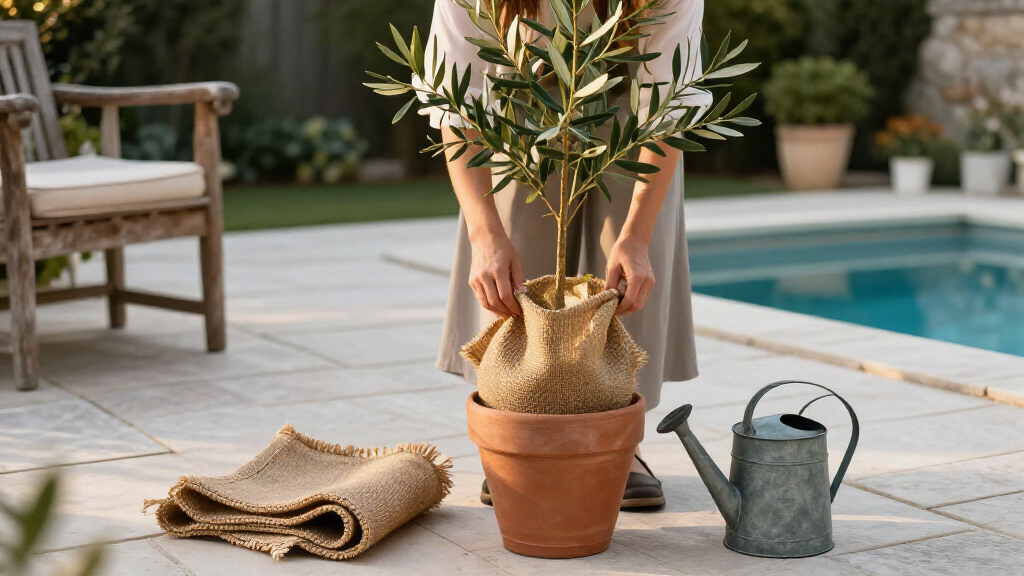
For plants that must stay outdoors, Country Living recommends placing containers in a sunny spot and grouping them close together, with the pots touching. Containers can be wrapped in sheets, burlap, plastic or cardboard. Lightweight fabric or plastic sheeting can also be draped over plants during especially cold conditions, but heavy blankets or towels may press down on foliage. The report advises keeping leaves and branches from rubbing against the cover to reduce the risk of breakage.
Plastic covers should be removed in the morning before sunlight reaches the plants, the report says, because trapped heat can damage them. For large pots that cannot be moved, it recommends adding mulch over the soil to help insulate roots, then covering the plant and container as needed. The report also cites Mississippi State University Extension horticulture experts for the guidance that well-watered soil can retain heat and help prevent damage.
Why Container Roots Need Insulation
The central concern is that pots lack the insulating effect of ground soil. The report says this leaves outdoor containers especially vulnerable to frost damage. Protecting the pot and its soil, not just the exposed leaves, is therefore part of the suggested approach: grouping containers, wrapping them and adding mulch are all intended to reduce exposure to cold.
The recommendations give gardeners alternatives when moving every container is not possible. However, they are general seasonal advice, not a guarantee that a particular plant will survive a given frost. Plant type, local temperatures and the conditions of the shelter can affect what protection is appropriate.
Products Worth Considering

Coway Mighty AP-1512HH(W) Air Purifier, White

Shark IZ362H Cordless Anti-Allergen Stick Vacuum, Red

eufy Security SoloCam E42 4-Camera Kit, 4K Solar Security Cameras with HomeBase 3
As an affiliate, we earn on qualifying purchases.
Choosing Indoor or Outdoor Shelter
The report frames protection around a practical decision: whether a pot can be moved and whether there is somewhere suitable to put it. Portable containers can be brought inside; larger or heavier pots may need to remain outdoors and receive insulation instead. Even a garage or shed can become very cold at night, according to the report, so an indoor location does not necessarily remove the need to wrap containers.
For outdoor placement, the supplied guidance favors an area with full sun and close grouping of pots. It also distinguishes between covering containers and covering foliage: wraps can shield the pot, while lightweight coverings over plants need to be managed so they do not crush branches or trap heat after sunrise. No specific frost temperature threshold or plant-by-plant schedule is provided.
“Plants in containers don’t get warmth from ground soil, so they are especially vulnerable to frost damage.”
— Country Living report
Conditions That Affect Plant Risk
The supplied report does not specify which temperatures require each measure, how long coverings should remain in place, or which methods suit particular plant species. It also does not give regional forecasts or detailed instructions for tropical, dormant or otherwise sensitive plants. The cited watering advice is limited to the report’s statement about well-watered soil before a light freeze; it should not be read as a universal watering schedule.
Gardeners should judge conditions for their location and plants. The source material does not establish that any one covering method will prevent damage in every frost, nor does it quantify how much protection mulch or wrapping provides.
Prepare Before Temperatures Drop
The immediate next step is to check the local forecast and decide which pots can be moved before frost arrives. For outdoor containers, gardeners can gather wrapping materials, group pots in a sunny location, add mulch to large containers and plan to remove plastic sheeting in the morning. Inspecting plants and covers after cold weather can help identify damage or coverings that need adjustment.
Because the report offers broad rather than plant-specific instructions, readers with sensitive plants or unusually severe cold should seek advice suited to their local climate and the species they grow. The supplied material does not identify a later update or a specific frost date.
Key Questions
What is the simplest way to protect a potted plant from frost?
Country Living recommends moving a portable pot to a garage, shed, basement or indoor space. If that location gets very cold overnight, wrap the container with an old sheet or blanket.What can I do if a large pot cannot be moved?
The report suggests placing outdoor pots in a sunny area and grouping them together, wrapping the containers and adding mulch over the soil to help insulate roots.Can I cover potted plants with plastic?
The report says plastic sheeting can be used, but advises removing it in the morning before sunlight reaches the plants because trapped heat can cause damage. Keep coverings from pressing against foliage where possible.Should I water plants before a light freeze?
Mississippi State University Extension horticulture experts, as cited in the report, say well-watered soil can retain heat and help prevent damage. The source does not give a universal watering schedule, so conditions and plant needs still matter.Source: countryliving.com