
TL;DR

Get pool and patio gear delivered free with Prime
- Fast, free delivery on millions of items
- Prime Video, Amazon Music and more included
- Member-only deals all year
A Gardening Know How report recommends serviceberry as an alternative to Bradford pear, pointing to its spring flowers, edible berries, autumn foliage and value to wildlife. Serviceberry species vary in size and growing needs, and the report does not claim that every variety suits every garden.
Gardening Know How is recommending serviceberry as a native alternative for homeowners considering an ornamental tree instead of Bradford pear. The report points to serviceberry’s spring blossoms, edible berries and fall foliage, as well as its value to wildlife; it also notes that Bradford pear can have weak branches and contribute to the spread of invasive Callery pears.
Serviceberry is a group of plants in the Amelanchier genus, also known by names including juneberry and shadbush. Depending on the species and variety, it grows as a large shrub or small tree, offering an option for gardens where a full-size shade tree may be too large. The report does not identify one variety as the right choice for every location.
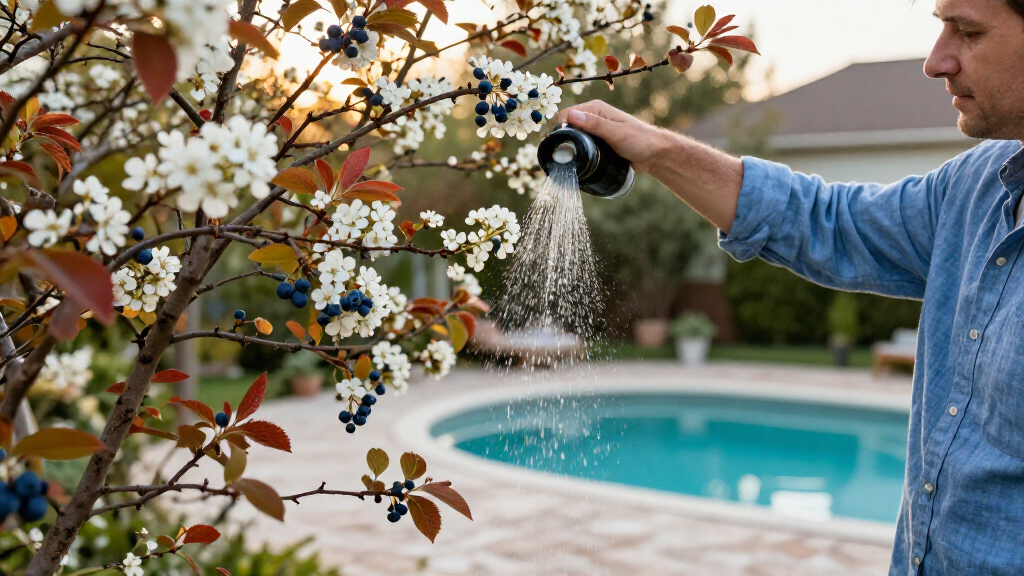
The article describes a seasonal cycle of spring flowers, fruit and autumn color. Its berries are edible and can be used in pies, jams and other homemade foods, although birds also eat them. The report says serviceberry can provide early-season nectar and pollen for pollinators, giving it a wildlife benefit beyond its appearance.
For growing conditions, Gardening Know How says many serviceberry species do well in full sun or partial shade and recommends well-drained soil. It cautions that the plant does not do well in waterlogged ground. The article also distinguishes its growth and shape from Bradford pear: serviceberry may not grow as quickly or have the same uniform, upright form.
A Tree With More Than Spring Flowers
The recommendation speaks to homeowners choosing ornamental trees for more than a brief display. Serviceberry can combine flowers, edible fruit, fall color and wildlife value in a relatively compact plant, according to the report. That mix may appeal to gardeners seeking to support local wildlife while adding seasonal interest to a yard.
The comparison also raises practical trade-offs. Bradford pear is known for its showy white blooms, but the report says its branches are prone to splitting and that it can contribute to the spread of invasive Callery pears. Serviceberry is not presented as an identical substitute: its growth rate and shape can differ, and its edible berries may be shared with birds. Gardeners therefore need to weigh the desired appearance, available space and site conditions rather than expect a one-for-one replacement.
Products Worth Considering

Bose Lifestyle Ultra Wireless Home Speaker, White Smoke

Hisense 43-Inch E6SR Series Hi-QLED 4K UHD Smart Roku TV (2026 Model)

Bose SoundLink Plus Portable Bluetooth Speaker, Black
As an affiliate, we earn on qualifying purchases.
Why Gardeners Are Reconsidering Bradford Pear
The source frames its recommendation around Bradford pear’s popularity as a flowering ornamental and its less desirable traits. Alongside its white spring display, the report cites the unpleasant smell of its flowers, branches that can split, and the potential role of Callery pears in invasive spread. These are the report’s stated reasons for considering another tree; it does not provide data on how widely Bradford pear is planted or quantify the scale of its effects.
Serviceberry’s appeal, by contrast, comes from several seasons of interest and its status as a native plant. Its range of forms—from shrub to small tree—can make it suitable for some smaller gardens, though exact size and performance depend on the species or cultivar. The source does not provide a regional planting guide, specific mature dimensions, or a comparison of maintenance needs.
“The Bradford pear has had its moment.”
— Gardening Know How
Choosing the Right Serviceberry
The report does not specify which serviceberry species or cultivar is best for particular climates, soil types or garden sizes. It also gives no detailed guidance on mature height, pruning, pest concerns or local availability. Since serviceberries vary in form and growth, readers should check regional horticultural guidance and plant labels before choosing one.
The article characterizes Bradford pear as contributing to the spread of invasive Callery pears but offers no local data or specific assessment of a given tree. It also does not establish that serviceberry will perform equally well in every place where Bradford pear has been planted. The recommendation is a gardening feature, not a formal comparison trial.
Check Local Growing Guidance
Homeowners considering a replacement can compare serviceberry varieties with the space and conditions in their yards, paying particular attention to mature size, drainage and regional suitability. A local extension service, native-plant organization or reputable nursery can help identify species that grow well in the area. The source provides no announced follow-up, planting program or further timetable; the next step for readers is to verify the variety’s needs before buying or planting.
Key Questions
What tree does the report recommend instead of Bradford pear?
It recommends serviceberry, a native group of plants in the Amelanchier genus that can grow as a large shrub or small tree.
What does serviceberry offer through the year?
The report cites spring blossoms, edible berries and fall foliage. It also says the plant can provide early-season nectar and pollen for pollinators.
Can serviceberry berries be eaten?
Yes. Gardening Know How says the berries are edible and can be used in foods such as pies and jams. Birds also eat them, so the fruit may be shared with wildlife.
Where should serviceberry be planted?
The report says many species grow in full sun or partial shade and recommends well-drained soil. Growing requirements vary by species and variety, so check local guidance before planting.
Is serviceberry an exact replacement for Bradford pear?
No. The report says serviceberry may grow more slowly and have a less uniform, upright shape than Bradford pear. It is presented as an alternative with different characteristics, not an identical substitute.
Source: gardeningknowhow.com