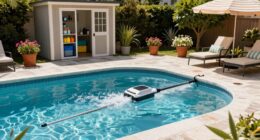
Understanding pool liner materials helps you choose the best option for durability and maintenance. Vinyl liners are affordable, easy to install, and simple to replace but can tear over time. Fiberglass shells come pre-made, offering a smooth surface that resists algae, requiring minimal upkeep. Concrete pools are highly customizable and durable but demand more maintenance and longer installation. Each material’s unique qualities impact your pool’s longevity and look. Keep exploring to learn which material aligns best with your needs and preferences.
Key Takeaways
- Vinyl liners are flexible, affordable, and easy to install, with simple maintenance and replacement options.
- Fiberglass pools feature pre-molded shells, offering low-maintenance surfaces resistant to algae and staining.
- Concrete pools allow high customization but require more complex installation and ongoing upkeep.
- Material choice impacts installation complexity: vinyl is straightforward, fiberglass needs careful excavation, concrete involves curing time.
- Maintenance varies: vinyl needs tear checks, fiberglass requires brushing and chemistry balance, concrete demands brushing and acid washes.
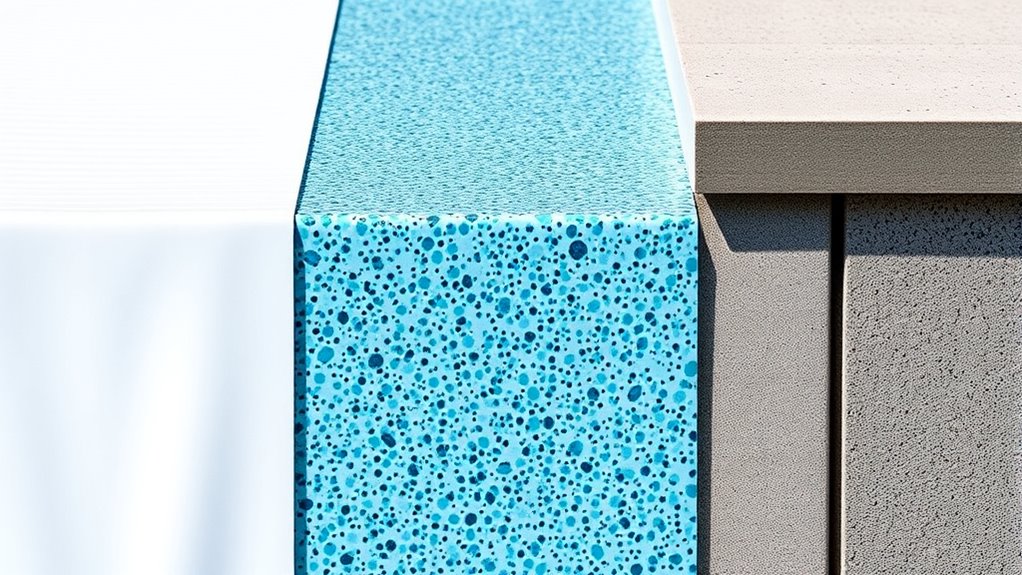
Choosing the right pool liner material is essential for guaranteeing your pool stays durable, attractive, and easy to maintain. When selecting between vinyl, fiberglass, and concrete, it’s important to understand how each material impacts installation techniques and maintenance tips. Your choice influences not only the initial setup but also how you care for your pool over time.
Vinyl liners are popular because they’re affordable and customizable. Installation techniques for vinyl involve lining a pre-formed or custom-fabricated shell with a flexible sheet of vinyl, which is then secured with bead receivers or tracks around the pool’s edge. Proper installation ensures a tight fit, preventing wrinkles and leaks. Maintenance tips for vinyl include regularly checking for tears, cleaning the surface with gentle brushes, and avoiding sharp objects that could puncture the liner. Vinyl is relatively easy to replace if it becomes worn or damaged, making it a practical choice for pool owners who prefer simple upkeep.
Vinyl liners are affordable, customizable, and easy to replace with proper installation and maintenance.
Fiberglass pools, on the other hand, come as pre-molded shells that are lowered into the ground. The installation techniques are more complex, requiring precise excavation and proper backfilling to avoid shifting or cracking. Once installed, fiberglass pools require minimal maintenance—since their smooth, non-porous surface resists algae and reduces the need for frequent cleaning. Maintenance tips include brushing the surface periodically to prevent calcium buildup and balancing water chemistry to avoid staining or surface etching. Because fiberglass is durable and resistant to many common problems, it tends to be low-maintenance once set up correctly. Additionally, the surface’s non-porous nature makes it less prone to algae growth compared to other materials.
Concrete pools offer the most customization, allowing you to shape and design your pool exactly how you want. Installation techniques involve building a reinforced shell, which can take several weeks to cure properly. Once finished, the surface is typically plastered or tiled. Concrete pools demand more maintenance, as their rough surface can harbor algae and other buildup. Maintenance tips include regular brushing, acid washing, and checking water chemistry to prevent staining or surface deterioration. Concrete requires more ongoing care but offers unmatched flexibility in design.

Pool Liner Repair 408517Boxer – 4 oz Vinyl Swimming Kit
- Country of Origin: United States
- Package Height: 15.24 cm
- Package Length: 5.588 cm
As an affiliate, we earn on qualifying purchases.
As an affiliate, we earn on qualifying purchases.
Frequently Asked Questions
How Long Does Each Pool Liner Material Typically Last?
Vinyl liners usually last 7-15 years, depending on usage and maintenance, with durability comparisons showing they need replacement more often. Fiberglass pools can last 20-30 years, thanks to their superior material longevity and resistance to wear. Concrete pools tend to be the most durable, often lasting 30+ years, but require regular maintenance to preserve their structural integrity. Your choice depends on balancing initial costs with long-term durability and upkeep.
Are There Eco-Friendly Options for Pool Liner Materials?
You might be surprised to learn that eco-friendly alternatives for pool liners do exist, using sustainable materials like recycled PVC, plant-based resins, or biodegradable compounds. These options reduce environmental impact while maintaining durability. By choosing eco-conscious liners, you help protect the planet without sacrificing quality. Don’t wait—explore these sustainable materials to make your pool more environmentally friendly and enjoy peace of mind knowing you’re making a positive difference.
How Do Liner Materials Impact Pool Maintenance Requirements?
Your choice of liner material directly affects your pool maintenance. Vinyl liners, for example, require fewer chemical adjustments due to their chemical compatibility, making upkeep easier. Fiberglass liners resist algae growth, reducing cleaning frequency. Concrete pools need more regular scrubbing and chemical balancing. Proper installation procedures ensure the liner’s durability, minimizing leaks and damage that could increase maintenance needs. Selecting the right material facilitates maintenance, saves time, and keeps your pool looking pristine.
Can Liner Materials Be Customized for Unique Pool Shapes?
Did you know that over 60% of custom-shaped pools use flexible liner materials? Yes, liner materials can be tailored for unique pool shapes, offering extensive customization options. You can choose from various patterns, colors, and textures to match your design vision. Flexibility in shape adaptability means you don’t have to settle for standard designs — your liner can be precisely crafted to fit even the most intricate pool contours.
What Are the Cost Differences Among Vinyl, Fiberglass, and Concrete Liners?
When comparing costs, vinyl liners are the most affordable, offering a lower initial price and easy installation. Fiberglass pools are more expensive upfront but require less maintenance, balancing out costs over time. Concrete liners tend to be the priciest due to higher material and labor costs. Your choice depends on your budget and long-term maintenance plans, but overall, vinyl provides the best material affordability for most homeowners seeking a cost-effective solution.

Fiberglass Swimming Pool Shell – Prefab Premium Quality – Roman Style | Concrete-Solid, Low Maintenance, Fast Installation | Convert Backyard into Oasis for Family & Leisure (26'L x 7.25'W x 4.25'H)
- Durable Construction: Fiberglass and MS Iron for longevity
- Low Maintenance Surface: Non-porous surface reduces upkeep
- Property Value Enhancement: Boosts home appeal and market value
As an affiliate, we earn on qualifying purchases.
As an affiliate, we earn on qualifying purchases.
Conclusion
Choosing the right pool liner material depends on your needs and style. Vinyl offers affordability and flexibility, fiberglass provides durability and smoothness, while concrete ensures longevity and custom design. Think of it like selecting your own chariot for the waters—each has its own charm. So, weigh your options carefully, and remember, even in a world of modern tech, a well-chosen liner can make your backyard feel like a timeless oasis. Embark with confidence!
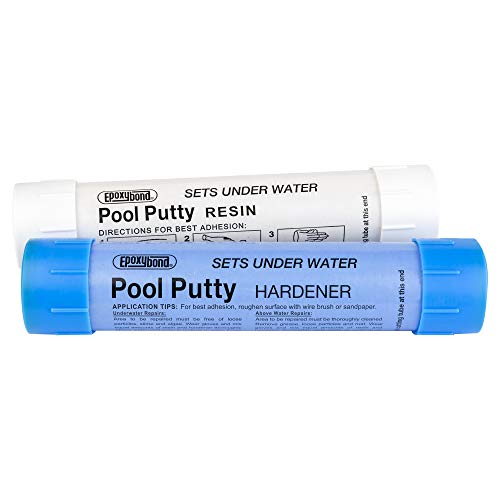
Epoxybond Pool Putty 2-Part Set | Swimming Pool & Spa Repair | Easy DIY | Fix Cracks Leaks Underwater or Above | Concrete, Fiberglass & Variety of Other Surfaces | by Atlas Minerals
- Safe, Hand-Moldable Putty: Easy to apply for underwater repairs
- Stops Leaks and Fills Cracks: Hardens underwater without shrinking or sagging
- No Pool Drain Needed: Apply above or underwater without draining
As an affiliate, we earn on qualifying purchases.
As an affiliate, we earn on qualifying purchases.