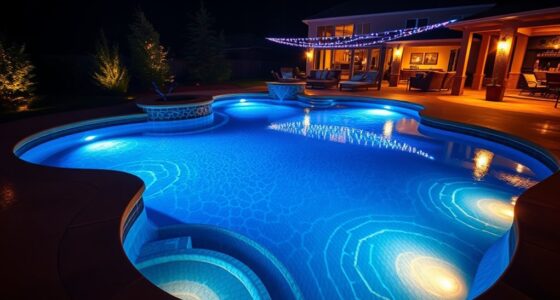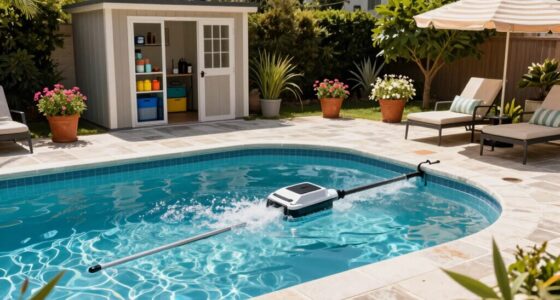
Pool automation systems make maintaining your pool easier and more efficient by providing seamless control over water chemistry, energy use, and equipment. They use advanced sensors to automatically monitor pH, sanitizer levels, and temperature, adjusting chemicals and settings in real time. This saves you effort, reduces costs, and helps keep your pool safe and clean. If you want to discover how these smart systems can transform your pool experience, there’s more to learn ahead.
Prime for Young Adults — start your free trial
Fast free delivery, streaming and member deals for eligible 18–24 year olds.
As an affiliate, we earn on qualifying purchases.
Key Takeaways
- Pool automation systems integrate sensors and controls to manage water chemistry, filtration, and equipment automatically.
- They enhance convenience by allowing remote monitoring and control of pool functions via smartphones or automation hubs.
- Advanced sensor technology ensures precise water chemistry balance, reducing manual testing and chemical usage.
- These systems optimize energy consumption by scheduling pump, heater, and lighting operations based on usage patterns.
- Overall, pool automation improves safety, reduces maintenance effort, and lowers operational costs through efficient management.
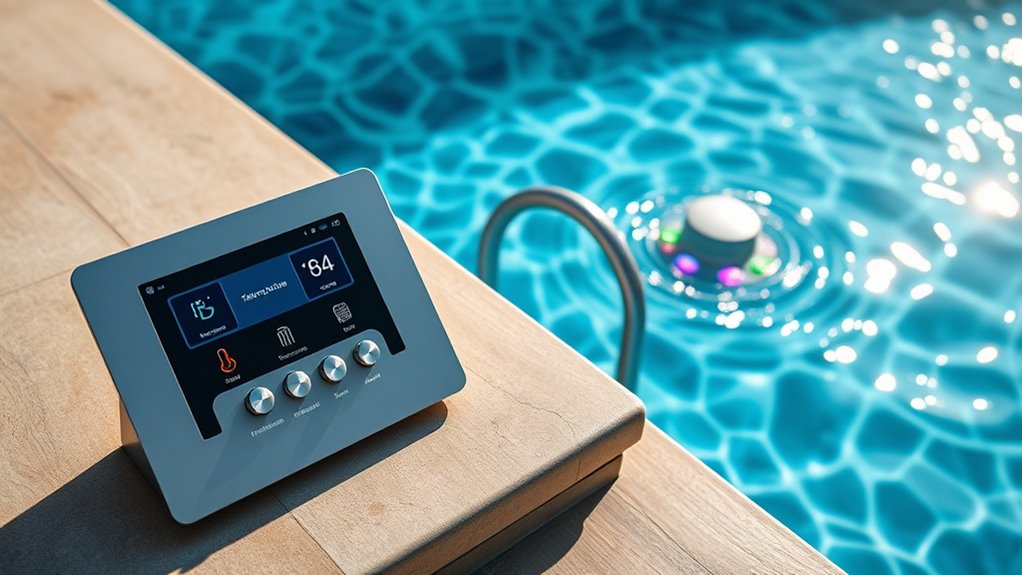
Pool automation systems have revolutionized how you maintain and enjoy your swimming pool. With these systems, you no longer have to manually monitor water levels, chemical balance, or filter cycles. Instead, they provide seamless control, making pool ownership more convenient and efficient. One of the key benefits is how they help you maintain ideal water chemistry. Proper water chemistry is essential for safe, clean, and inviting water. Automation systems continuously test pH levels, sanitizer concentrations, and other chemical parameters, adjusting dosing automatically. This precise control prevents issues like algae growth, cloudy water, or skin irritation, so you can enjoy your pool without worrying about chemical imbalances. Plus, maintaining consistent water chemistry reduces the need for extensive chemical treatments, saving you money and effort over time. Modern sensor technology allows for more accurate and reliable chemical readings, enhancing system performance.
Another major advantage is energy efficiency. Pool automation systems optimize how your pool operates, reducing unnecessary energy consumption. They manage pump schedules, heater operation, and lighting based on your pool usage and environmental conditions. For example, the system can turn off pumps during peak energy hours or adjust heating cycles to match the ideal temperature, minimizing waste. This not only cuts down on your utility bills but also extends the lifespan of your equipment by preventing overuse. The ability to program and automate these functions means you won’t forget to turn off a pump or heater, which often leads to wasted energy. Additionally, smarter scheduling ensures your pool stays comfortable without excess energy expenditure, making your pool more environmentally friendly.
Frequently Asked Questions
Can Pool Automation Systems Be Integrated With Smart Home Devices?
Yes, you can integrate pool automation systems with smart home devices. With smart home integration, you can control your pool features easily through your existing system. Wireless control allows you to manage your pool remotely via smartphone or voice commands, providing convenience and efficiency. This seamless connectivity means you can turn on the heater, adjust the lights, or run the pump from anywhere, making pool maintenance effortless and more enjoyable.
What Is the Typical Lifespan of a Pool Automation System?
Your pool automation system typically lasts 5 to 10 years, much like a well-loved car that needs regular check-ups. During this time, it simplifies pool maintenance, saving you time and effort. Keep in mind, system upgrades can extend its lifespan and enhance functionality. Proper care and occasional updates guarantee your investment remains efficient, so you enjoy a pristine pool season after season without unexpected breakdowns.
Are There Wireless Options for Pool Automation Control?
Yes, there are wireless options for pool automation control. With wireless connectivity, you can easily manage your pool remotely using a smartphone or tablet. These systems allow you to adjust settings, monitor water quality, and troubleshoot issues from anywhere, providing convenience and peace of mind. Wireless pool automation systems streamline remote management, making maintaining your pool simpler and more efficient without the need for complicated wiring.
How Much Does a Standard Pool Automation System Cost?
A standard pool automation system typically costs between $1,000 and $3,000, depending on the feature options you choose. When doing a cost comparison, consider the features you need—such as remote control, timers, or variable speed pumps—and how they impact the overall price. Investing in a system with advanced features might cost more upfront, but it can save you money and effort long-term by simplifying pool management.
Do Automation Systems Require Professional Installation or Can I Do It Myself?
Think of installing a pool automation system as planting a seed; with DIY installation, you nurture growth, but sometimes, professional expertise acts as the gardener’s touch. While some systems are user-friendly enough for DIY enthusiasts, others require technical skills to guarantee safety and functionality. If you’re comfortable with electrical work and plumbing, you might do it yourself. Otherwise, hiring a professional guarantees proper setup and peace of mind.
Conclusion
Imagine your pool as a well-trained assistant that handles cleaning, temperature, and chemicals effortlessly. Just like a smart home system, pool automation takes the stress out of maintenance, giving you more time to enjoy swimming and relaxing. Once, a homeowner told me their pool ran smoothly all summer, thanks to automation—like a symphony conductor guiding each instrument. With these systems, you’ll experience the harmony of a perfectly maintained pool, anytime you want it.
Fall yard work Picks
leaf blowers
As an affiliate, we earn on qualifying purchases.