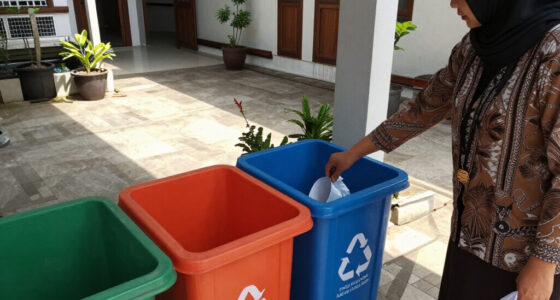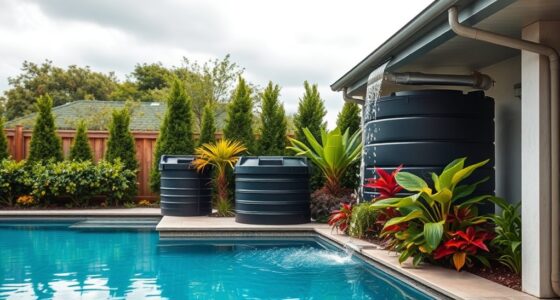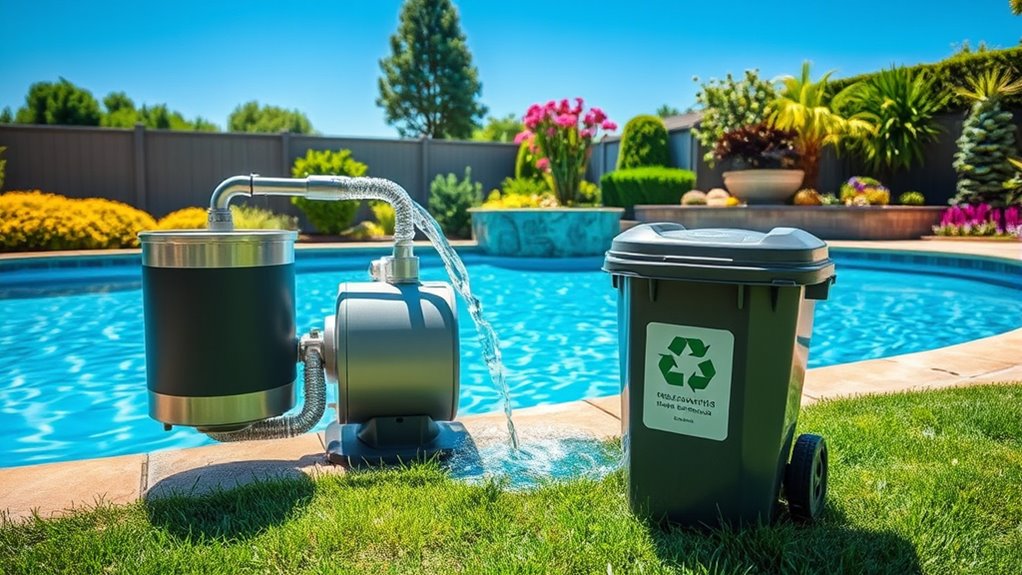

To manage your pool backwash and wastewater responsibly, avoid discharging it into storm drains or ground water, which can harm the environment. Instead, consider recycling the water for your garden or home use after proper treatment or collaborate with local wastewater facilities that process pool water safely. Implementing these practices reduces pollution, conserves water, and saves you money. Keep exploring ways to make your pool maintenance eco-friendly and sustainable for long-term benefits.

Get pool and patio gear delivered free with Prime
- Fast, free delivery on millions of items
- Prime Video, Amazon Music and more included
- Member-only deals all year
Key Takeaways
- Properly treat or filter backwash water to prevent environmental pollution and ensure safe reuse or disposal.
- Recycle pool water by rerouting it through filtration systems or storing it for garden irrigation.
- Collaborate with local wastewater facilities to process backwash water in compliance with environmental standards.
- Implement small-scale treatment solutions to neutralize chemicals and remove debris before reuse or discharge.
- Adopt eco-friendly practices to reduce water waste, lower costs, and protect local water resources.
Have you ever wondered what happens to the water when you backwash your pool? Every time you perform this routine maintenance, you’re actually generating a significant amount of wastewater that needs proper handling. Instead of letting it drain unchecked into the environment, you can think about pool water recycling and wastewater treatment options to manage it responsibly. This approach not only helps protect local water sources but also promotes eco-friendly practices in your pool maintenance routine.
When you backwash your pool, the dirty water carries away accumulated debris, algae, and chemicals from the filtration system. Traditionally, many pool owners simply drain this water onto the ground or into storm drains, which can lead to pollution and harm local ecosystems. Instead, consider capturing and recycling this water whenever possible. Pool water recycling involves rerouting the backwash water through a filtration process or storage system, allowing you to reuse it for other purposes like watering your garden or filling your pool again after proper treatment. This reduces water waste and conserves a precious resource.
Capture and recycle your pool’s backwash water to reduce waste and protect the environment.
Implementing wastewater treatment for your backwash water is a smart step toward responsible pool management. You can set up a simple wastewater treatment system that neutralizes chemicals and removes contaminants before the water is reused or safely discharged. Chemical levels in pool water—like chlorine and algaecides—must be carefully managed to ensure the treated water won’t harm plants or soil. Often, small-scale treatment units use filtration, biological processes, and chemical neutralization to make the water safe for reuse or discharge. These systems are becoming increasingly accessible and affordable for homeowners interested in sustainable practices.
Another effective method is to work with local wastewater treatment facilities that accept pool backwash water. These facilities are equipped to handle and process wastewater following strict environmental standards. By coordinating with them, you ensure that your pool water is treated properly before it’s released back into the environment, preventing pollution and safeguarding water quality. This way, you’re contributing to a larger effort of water conservation and environmental protection.
Incorporating the principles of wastewater treatment and pool water recycling into your routine might require some initial effort, but it offers long-term benefits. Not only do you reduce your environmental impact, but you also potentially save money on water bills by reusing water rather than constantly refilling your pool. Being mindful of how you handle backwash water shows a commitment to sustainable practices that protect your local water resources for years to come. By taking these steps, you’re actively participating in responsible pool management and helping to preserve the environment. Proper water management is essential for maintaining a sustainable and eco-friendly pool routine.
Frequently Asked Questions
Can Backwash Water Be Safely Reused for Gardening?
Yes, you can reuse backwash water for gardening if you guarantee it’s safe. Consider pool water recycling by filtering and treating the backwash to remove chemicals and contaminants. Once properly treated, it can be used for garden irrigation reuse, helping conserve water. Always check local regulations before reuse, and avoid using backwash water on edible plants to prevent potential health risks. Proper treatment makes this a sustainable, eco-friendly option.
What Are the Legal Restrictions on Dumping Wastewater?
Dumping wastewater without following the law is playing with fire. You need to check local regulations because legal compliance and waste disposal regulations vary by area. Some places require you to dispose of wastewater at approved facilities, while others have strict limits on contamination. Ignoring these rules can lead to hefty fines or legal trouble. Always stay informed and follow proper procedures to keep your waste disposal practices above board.
How Often Should Backwash Be Performed to Minimize Waste?
You should perform backwash as needed, typically when the pool filtration system indicates it’s dirty or flow decreases, usually every 1 to 3 weeks. This helps maintain water clarity and efficiency. To minimize waste, use water conservation practices like recycling backwash water when possible. Regular backwashing prevents overuse, reduces chemical use, and prolongs your filtration system’s life, ensuring you stay compliant with environmental guidelines and manage wastewater responsibly.
Are There Eco-Friendly Alternatives to Traditional Backwashing?
Sure, there are eco-friendly alternatives to traditional backwashing, like eco-friendly filtration systems that reuse water or use less. You might find that sustainable practices, such as at-home natural filtration or regular maintenance to reduce backwash frequency, actually help save water and energy. Ironically, these greener options often require less effort and cost over time, proving that going green isn’t just good for the environment but also smart for your wallet.
What Equipment Can Reduce Wastewater During Backwashing?
You can reduce wastewater during backwashing by using advanced filtration systems that trap more debris, allowing for longer intervals between backwashes. Incorporate wastewater treatment equipment, such as water recycling units, to clean and reuse the water. These tools help minimize water waste, making your pool maintenance more eco-friendly. Investing in efficient filtration and treatment equipment not only conserves water but also promotes sustainable pool management.
Conclusion
Now that you understand how to manage your pool’s backwash and wastewater responsibly, the next step is vital. Will you choose to follow these eco-friendly practices and protect our environment? Or will you overlook the impact and risk future consequences? The choice is in your hands—every action counts. Stay committed, stay responsible, and watch how small changes can make a big difference. The future of your pool and our planet depends on what you do next.
Columbus Day / Indigenous Peoples' Day Picks
long weekend sales
As an affiliate, we earn on qualifying purchases.