
When choosing eco-friendly pool lighting, LED options are your best bet. They use up to 80% less energy than halogen bulbs, last over 25,000 hours, and produce less heat, making them more efficient and sustainable. Solar-powered LED lights eliminate wiring and lower your electricity bills, helping reduce your carbon footprint. If you want to learn how to maximize your pool’s eco-friendliness, keep exploring your options for greener lighting solutions.

Get pool and patio gear delivered free — and shop member deals
- Fast, free delivery on millions of items
- Access to Prime Big Deal Days deals on October 6–7
- Prime Video, Amazon Music and more included
Key Takeaways
- LED pool lights consume up to 80% less energy than halogen bulbs, making them more eco-friendly.
- LEDs have a lifespan of over 25,000 hours, reducing waste and replacement frequency.
- Halogen lights generate more heat and use more electricity, increasing environmental impact.
- Solar-powered LED options maximize energy savings and minimize reliance on the grid.
- Choosing energy-efficient LED and solar solutions supports sustainable, eco-conscious pool lighting.

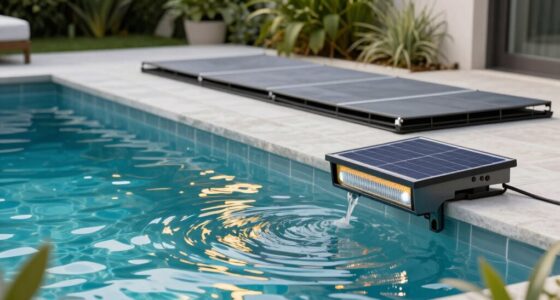
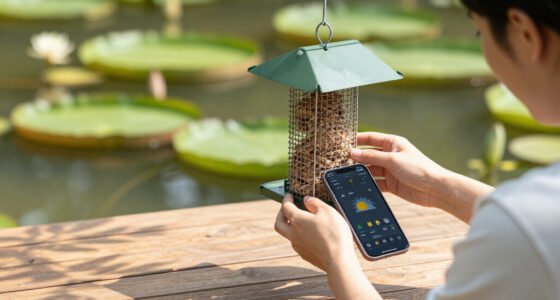
Are you looking to enhance your pool area while reducing your environmental impact? If so, exploring eco-friendly pool lighting options can make a substantial difference. When considering lighting choices, solar options stand out for their sustainability and energy efficiency. Solar-powered lights harness the sun’s energy during the day, storing it in batteries to illuminate your pool area at night. This approach eliminates the need for electrical wiring and reduces your reliance on the grid, making it a cost-effective and environmentally conscious decision. Plus, solar lights require minimal maintenance and can be easily installed in various locations around your pool, providing versatility and convenience. By choosing solar options, you not only cut down on energy consumption but also promote energy efficiency, which benefits both your wallet and the planet. Hybrid/combination units can also incorporate multiple technologies, such as solar power with LED lighting, for even greater eco-friendly benefits.
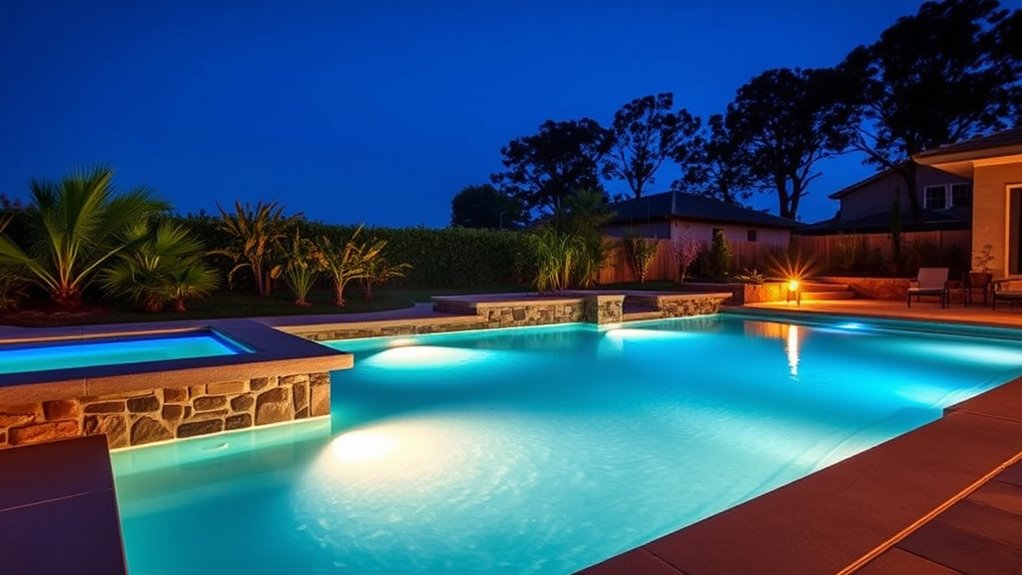
When comparing LED and halogen lighting, LED options clearly lead in energy efficiency. LEDs consume considerably less electricity than halogen bulbs, often using up to 80% less energy to produce the same amount of light. This means lower electricity bills and a smaller carbon footprint. LEDs also have a longer lifespan, sometimes lasting over 25,000 hours, so you won’t need to replace bulbs frequently, reducing waste and ongoing costs. Their durability and low energy usage make LEDs an excellent choice for those committed to eco-friendly practices. In addition, many LED pool lights are designed to be compatible with solar power, allowing you to integrate solar options seamlessly without sacrificing brightness or quality. This combination maximizes your pool’s visual appeal while staying environmentally responsible.
Halogen lights, on the other hand, tend to be less energy-efficient and have shorter lifespans. They generate more heat and consume more electricity, which can lead to higher energy bills and increased environmental impact over time. While halogen bulbs can provide a warm, inviting glow, their higher energy consumption makes them less suitable for eco-conscious homeowners. If you’re focused on reducing your carbon footprint and optimizing energy efficiency, halogen lighting may not be the best option. Instead, investing in LED lighting or solar-powered LEDs offers a smarter, more sustainable solution. These choices align with eco-friendly principles while enhancing the beauty and safety of your pool area. Incorporating efficient lighting technologies can significantly improve your pool’s environmental footprint and overall energy savings.
Ultimately, selecting eco-friendly pool lighting involves weighing your desire for energy efficiency and sustainability. Solar options paired with LED technology provide a powerful combination that minimizes environmental impact and maximizes efficiency. By making these choices, you create a stunning, inviting pool area that reflects your commitment to protecting the environment, all while enjoying the benefits of lower energy costs and longer-lasting lighting.
As an affiliate, we earn on qualifying purchases.
Frequently Asked Questions
How Does LED Pool Lighting Impact Water Chemistry?
LED pool lighting doesn’t substantially impact water chemistry or water pH, making it a safe choice for maintaining your chemical balance. Unlike halogen lights, LEDs generate less heat and don’t release chemicals that could alter your pool’s water. You can enjoy clear, balanced water without worrying about disruptions to your chemical levels. Just keep testing your water regularly to guarantee ideal chemical balance and maintain a healthy swimming environment.
Are There Safety Concerns With Halogen Pool Lights?
Yes, there are safety concerns with halogen pool lights. You need to be cautious of electrical hazards, especially if the wiring isn’t properly installed or maintained, risking shocks. Overheating of the bulb can also occur, potentially causing burns or fires. Regular inspections and professional installation help mitigate these risks. Unlike LEDs, halogen lights require more attention to safety to make sure your pool area remains secure.
Can LED Lights Be Used Underwater for Extended Periods?
A stitch in time saves nine, so yes, LED lights can be used underwater for extended periods. You should look for LED lights with high waterproof ratings, like IP68, and good submersible durability. These features guarantee your lights withstand prolonged submersion without damage. Proper installation and maintenance help maximize longevity. When choosing LED pool lighting, prioritize quality to keep your pool beautifully illuminated safely and efficiently.
What Are the Maintenance Differences Between LED and Halogen Lights?
You’ll find that LED lights require less maintenance than halogen bulbs because they have a longer bulb lifespan, often lasting up to 25,000 hours. This means fewer replacements and lower replacement costs over time. Halogen lights tend to burn out faster, needing more frequent replacements, which can add to your ongoing maintenance efforts and expenses. Switching to LED reduces both maintenance hassle and long-term costs, making it a smarter choice.
How Do Lighting Choices Affect Pool Energy Costs Long-Term?
Your lighting choice markedly impacts your pool’s long-term energy costs. LED lights are highly energy-efficient, consuming less power and reducing your utility bills over time. Halogen lights, on the other hand, use more energy, resulting in higher costs. By choosing LED lighting, you maximize energy efficiency and enjoy substantial cost savings, making it a smart, eco-friendly investment for your pool’s lighting system.
energy-efficient LED pool lighting
As an affiliate, we earn on qualifying purchases.
As an affiliate, we earn on qualifying purchases.
Conclusion
When it comes to eco-friendly pool lighting, choosing LED over halogen isn’t just a smart move—it’s a game-changer for your entire backyard! Imagine slashing your energy bills to nearly nothing, while your pool shines brighter and lasts forever. Make the switch now, and you’ll be saving the planet and your wallet at the same time. Trust me, once you see that stunning glow, you’ll wonder how you ever lived without this green, glowing revolution!
As an affiliate, we earn on qualifying purchases.
As an affiliate, we earn on qualifying purchases.
Fall Picks
fall essentials
As an affiliate, we earn on qualifying purchases.