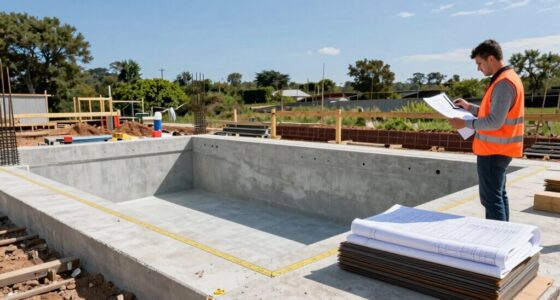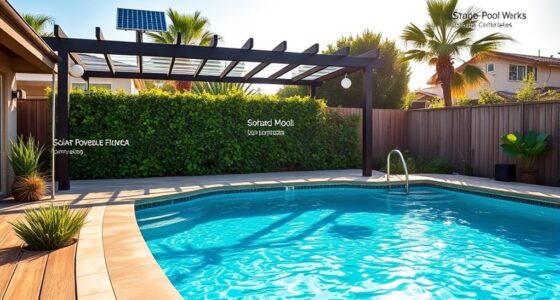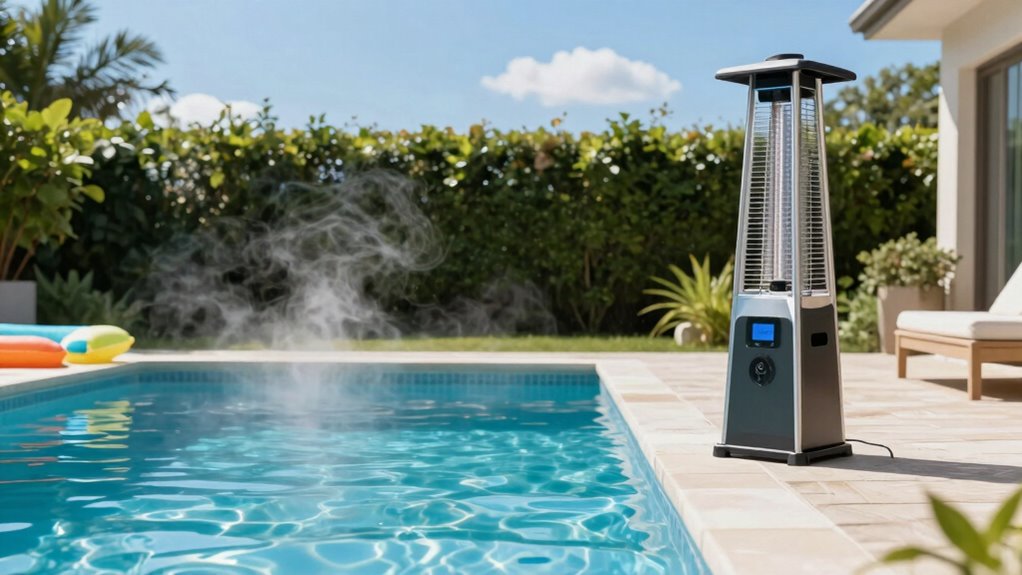

To decide if a pool heater is worth it, consider your climate, how often you swim, and whether extending your swimming season adds value to you. Energy-efficient models can save on long-term costs but require a higher upfront investment. Think about installation expenses and ongoing maintenance. If you enjoy swimming year-round or live in a cooler climate, a heater is likely worthwhile. Keep exploring to uncover more tips on making the best choice for your needs.

Get pool and patio gear delivered free with Prime
- Fast, free delivery on millions of items
- Prime Video, Amazon Music and more included
- Member-only deals all year
Key Takeaways
- Assess your climate and how often you swim to determine if extending the swimming season justifies the cost.
- Calculate potential energy savings with energy-efficient models versus installation and maintenance expenses.
- Consider your pool type and compatibility with different heater options for optimal performance and longevity.
- Factor in initial costs, ongoing operational expenses, and long-term benefits like increased property value.
- Evaluate personal preferences for comfort and usage habits to decide if a heater aligns with your lifestyle and budget.
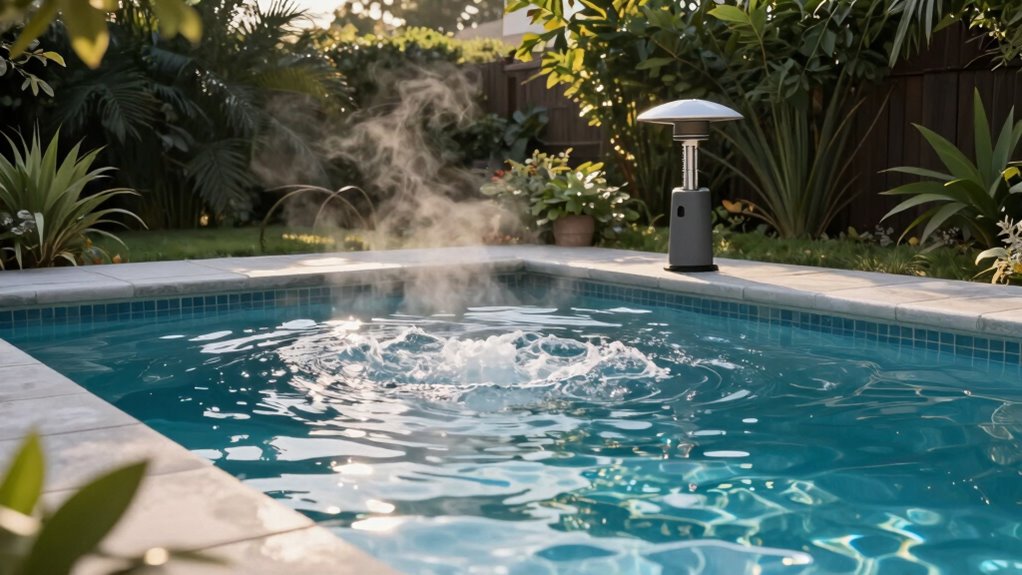
Are you wondering if investing in a pool heater is worth the cost? Deciding whether to add one depends on several factors, but understanding the benefits and expenses can help you make an informed choice. One of the main considerations is energy efficiency. Modern pool heaters are designed to use energy more efficiently, which means they can heat your pool faster while consuming less power. If you plan to use your pool regularly, an energy-efficient heater can save you money in the long run by reducing your energy bills. Keep in mind, however, that the initial costs of purchasing a more efficient model might be higher, but those extra expenses often pay off over time through lower operating costs.
Speaking of costs, installation expenses are another critical factor. Installing a pool heater isn’t just about buying the unit; it involves professional setup, which can vary depending on your existing pool setup and the type of heater you choose. Gas heaters, for example, usually require venting and connection to your home’s gas line, which can increase installation costs. Electric heat pumps tend to have higher upfront costs but are more energy-efficient in mild climates. You should also factor in any necessary modifications to your pool’s plumbing or electrical system, as these can add to the overall installation costs. Getting a detailed quote from a qualified contractor can help you understand the total investment needed. Additionally, understanding the cost differences between different types of heaters can help you select the most suitable option for your budget and needs.
Beyond the initial expenses, think about how often you’ll use your pool and the climate you live in. If you enjoy swimming year-round or live in a cooler climate, a pool heater might be a worthwhile investment. It extends your swimming season, making your backyard more enjoyable and enhancing the overall value of your property. Furthermore, considering climate factors can help you determine the most energy-efficient system for your location. On the other hand, if you only swim a few months a year or live in a warm climate, a heater might not be cost-effective. Also, consider your comfort level—if you prefer a consistently warm pool, a heater provides that luxury, but if you’re comfortable swimming in cooler water, you might not need one at all. Additionally, understanding the different pool types and their compatibility with various heaters can help you choose the right system for your setup. It’s also helpful to research energy-saving tips that can further reduce your operational costs over time. It’s also important to consider the long-term maintenance costs associated with each type of heater to ensure your investment remains efficient over time.
Ultimately, weighing the energy efficiency benefits against the installation costs and your personal usage habits will guide your decision. A well-chosen, properly installed pool heater can improve your swimming experience and potentially save you money, but it’s essential to assess whether the investment aligns with your lifestyle and budget.
As an affiliate, we earn on qualifying purchases.
Frequently Asked Questions
What Is the Average Lifespan of a Pool Heater?
A pool heater typically lasts between 8 to 15 years, depending on the type. Gas heaters tend to last around 8-12 years, while heat pumps can reach 10-15 years with proper maintenance. Consider the environmental impact; heat pumps are more eco-friendly and efficient, often extending their lifespan. Regular upkeep, like cleaning and inspections, helps maximize your pool heater’s longevity, regardless of type.
How Much Does Installation Typically Cost?
Imagine stepping into your warm, inviting pool on a chilly day—installing a pool heater makes that possible. Installation costs vary depending on the pool heater types you choose, like gas, electric, or solar, ranging from $2,000 to $5,000. Factors like pool size and location influence these costs. Expect to pay for professional installation, ensuring your heater runs efficiently and keeps your swimming season extended.
Are There Energy-Efficient Pool Heater Options?
Yes, there are energy-efficient pool heater options. Solar heating is a popular choice because it uses renewable energy, reducing your electricity bills. Electric options, like heat pumps, are also efficient as they consume less energy compared to traditional gas heaters. Both choices can help you extend your swimming season while minimizing environmental impact and operating costs, making them worthwhile investments for energy-conscious pool owners.
Can a Pool Heater Be Used Year-Round?
Yes, you can use a pool heater year-round if it’s durable enough for winter conditions. Consider seasonal use, as some heaters perform better in milder weather and may need extra insulation or maintenance during colder months. Look for models designed for year-round operation, focusing on durability and energy efficiency. Proper maintenance and seasonal adjustments guarantee your pool heater keeps working reliably, extending your swimming season no matter the time of year.
What Maintenance Is Required for Pool Heaters?
You might wonder about pool heater maintenance costs, but the truth is, if you keep up with regular upkeep, it’s manageable. Check the thermostat and clean filters often to prevent damage, which helps sustain pool heater durability. Inspect for leaks and corrosion periodically, and consider professional servicing annually. Proper maintenance ensures your heater runs efficiently, saving you money and extending its lifespan, making your investment worthwhile.
As an affiliate, we earn on qualifying purchases.
Conclusion
Deciding if a pool heater is worth it is like weighing a treasure chest’s worth—consider both the joy it’ll bring and the costs involved. If you love swimming year-round or want to extend your season, a heater can be your best friend. But if you only dip in occasionally, it might be more of a luxury than a necessity. Ultimately, it’s about finding the right balance between comfort and cost, making your pool feel like a warm embrace rather than a chilly surprise.
As an affiliate, we earn on qualifying purchases.
As an affiliate, we earn on qualifying purchases.
Columbus Day / Indigenous Peoples' Day Picks
long weekend sales
As an affiliate, we earn on qualifying purchases.