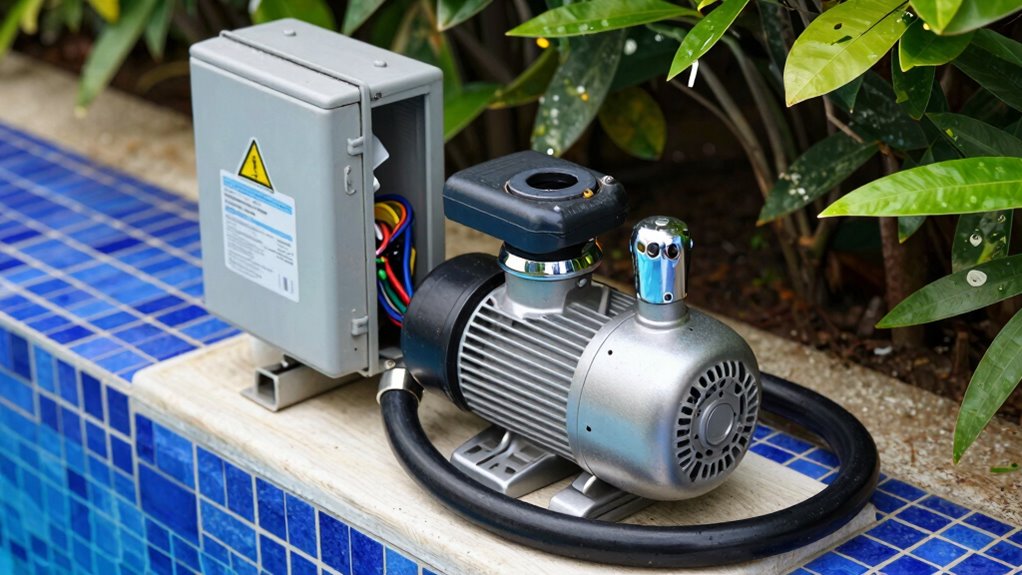
To access your pool equipment safely, you should turn off the power first and wear safety gear. Clear the area around equipment and remove panels carefully, following the manufacturer’s instructions. Check for leaks, corrosion, or debris, and inspect electrical connections. Use the right tools and diagnostic devices for troubleshooting. Regular maintenance helps prevent issues and extends the life of your system. Keep going to discover more tips for smooth pool repairs and upkeep.
Key Takeaways
- Always turn off power before accessing pool equipment to ensure safety.
- Identify and understand the specific access points, such as panels, enclosures, or doors.
- Use appropriate safety gear and tools to prevent injuries or damage during repairs.
- Carefully remove panels or covers to avoid damaging seals or fixtures.
- Perform visual inspections and diagnostics to identify issues before replacing parts or performing repairs.
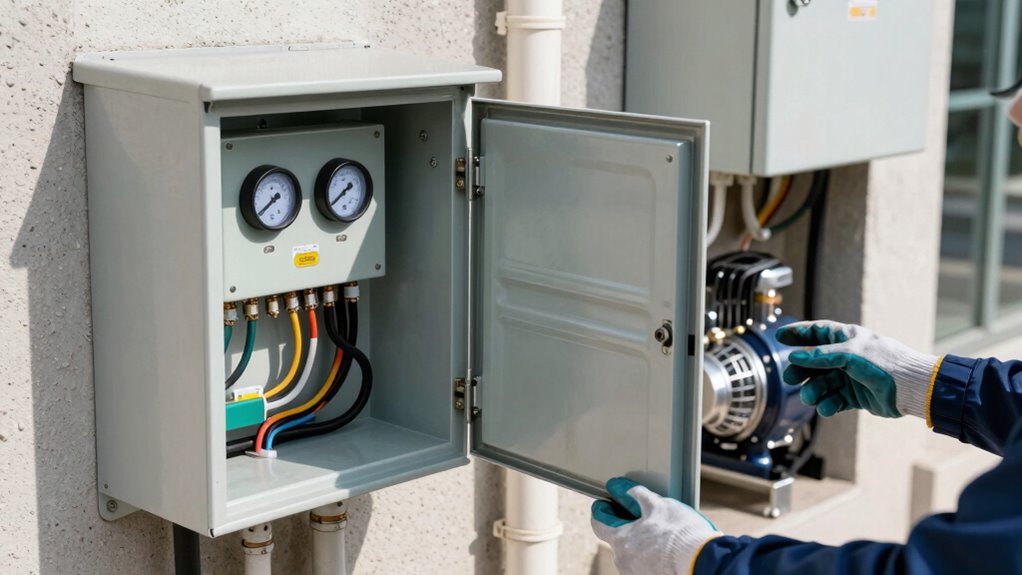
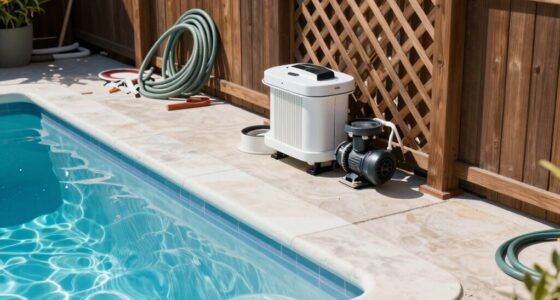
Accessing your pool equipment for repairs is an indispensable part of maintaining a safe and functional swimming pool. When you need to service your pool’s pump, filter, or heater, knowing how to access these components efficiently helps prevent unnecessary downtime and potential safety hazards. Proper access guarantees you can perform regular equipment maintenance, which is crucial for keeping your pool clean, safe, and operating smoothly. Neglecting routine checks and repairs can lead to equipment failure, leaks, or even electrical issues that threaten pool safety. Before you begin, make sure you have the right tools and safety gear. Turn off the power supply to your pool equipment to avoid electrical shocks, especially if you’re dealing with electrical components or wiring. Wear gloves and eye protection if needed, and make certain the area around your equipment is clear. Many pool systems are installed in enclosures or behind panels; understanding how to remove these panels properly is essential. Follow the manufacturer’s instructions closely to avoid damaging the equipment or voiding warranties. Access points vary depending on your pool setup. Some pools have dedicated equipment rooms, which make repairs more straightforward. Others may have equipment installed outdoors or behind fences, requiring you to navigate around obstacles or remove panels. If panels are secured with screws or latches, have a screwdriver or a similar tool handy. Be careful when opening these enclosures to avoid damaging seals or covers, as this can compromise the integrity of the equipment and affect pool safety. Once you’ve gained access, perform a visual inspection to identify any leaks, corrosion, or debris that might be hindering performance. Regular equipment maintenance not only prolongs the lifespan of your system but also assures your pool remains safe to swim in. Cleaning filters, checking for worn belts or hoses, and verifying that electrical connections are secure are all part of good maintenance practices. It’s also beneficial to familiarize yourself with measurement tools to accurately diagnose issues with your pool equipment. Using appropriate diagnostic tools can help identify problems early before they escalate. Additionally, understanding content formats and how they relate to your pool’s equipment can help you troubleshoot common issues more effectively. Being aware of cabling solutions and how they can prevent failures or improve accessibility can make repairs more efficient and less risky. If any parts look damaged or worn out, replace them promptly to prevent bigger problems down the line.
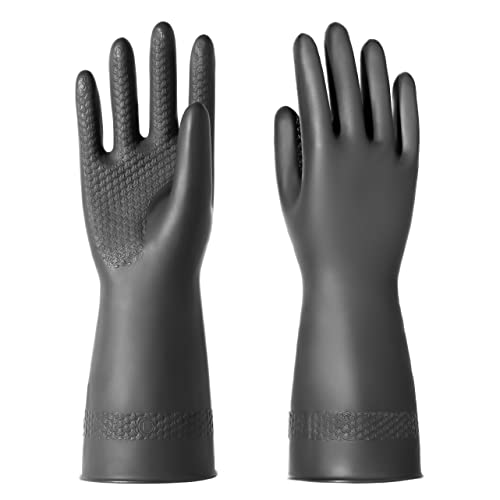
ROYAKI Chemical Resistant Latex Gloves,Cleaning Protective Safety Work Heavy Duty Rubber Gloves,12.6", 1 Pair Size Large
- Elastic and Wear-Resistant Rubber: Elastic, wear-resistant, cold-resistant, air-tight
- Enhanced Grip with Diamond Pattern: Diamond pattern for better grip and flexibility
- Chemical Resistant Protection: Protects against alkalis, alcohols, acetone, and more
As an affiliate, we earn on qualifying purchases.
As an affiliate, we earn on qualifying purchases.
Frequently Asked Questions
How Often Should Pool Equipment Be Inspected for Maintenance?
You should inspect your pool equipment at least once a month to guarantee peak performance and extend its lifespan. Regular inspections allow you to spot issues early, reducing repair costs and preventing breakdowns. Incorporate preventative maintenance during these checks, like cleaning filters and checking for leaks. Consistent monitoring helps maintain efficient operation, prolongs the equipment’s lifespan, and keeps your pool running smoothly all season long.
Are There Safety Precautions Before Opening Pool Equipment Access Panels?
Opening pool equipment access panels is like stepping into a hidden world, so safety should be your first priority. Before you begin, turn off the power and disconnect the electrical supply to avoid shocks. Wear gloves and safety goggles to protect against equipment hazards. Make sure the area is dry and well-ventilated. These precautions keep you safe, uphold pool safety standards, and prevent accidents during your maintenance adventure.
Can Homeowners Perform Repairs Without Professional Help?
You can perform basic pool equipment troubleshooting and DIY repair tips if you feel confident and have the right tools. However, for complex issues or if you’re unsure about safety precautions, it’s best to call a professional. Always follow safety guidelines, turn off power before opening panels, and understand your equipment. Doing so helps avoid injury or further damage, ensuring your pool stays in top shape without risking safety.
What Tools Are Necessary for Common Pool Equipment Repairs?
Imagine yourself in front of your sparkling pool, ready to fix that stubborn pool filter or pump motor. You’ll need basic tools like screwdrivers, pliers, and a socket set to loosen bolts. A garden hose helps rinse parts, and a wrench makes removing fittings easier. Keep a pool-specific repair kit nearby for quick fixes. These tools make tackling common pool equipment repairs straightforward, saving you time and money.
How Long Does a Typical Pool Equipment Repair Take?
A typical pool equipment repair usually takes a few hours, depending on the issue. During this time, you might also need to perform pool cover maintenance or adjust the chemical balance to guarantee everything functions smoothly afterward. Quick repairs often resolve within a couple of hours, but more complex issues could extend to a full day. Planning ahead helps you manage these tasks efficiently and keeps your pool in great shape.

Strainer Pump Lid Removing Tool 14 X 2.7 X 0.5" / Pool Pump Lid Removal Wrench Tool 110 Compatible with American Products, Swimqu-IP & Hayward Strainer Lids – Replacement – U79-11
- Tool Dimensions: 14 x 2.7 x 0.5 inches
- Purpose: Pool pump lid removal
- Compatibility: American, Swimqu-ip, Hayward lids
As an affiliate, we earn on qualifying purchases.
As an affiliate, we earn on qualifying purchases.
Conclusion
Think of your pool equipment access like tending a garden—you need to keep pathways clear so you can easily reach and care for your plants. I once struggled to fix a broken pump because I couldn’t find a proper access point, and it felt like trying to find a needle in a haystack. Regularly checking and maintaining clear access keeps repairs smooth and stress-free, so your pool stays inviting and trouble-free all season long.
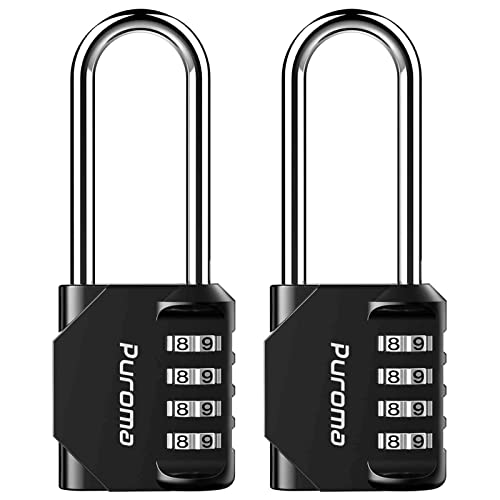
Puroma 2 Pack Combination Lock 4 Digit 2.6 Inch Padlock Gate Shed Black
- Secure 4-Digit Combination: 10,000 unique code options for security
- Easy-to-Use Side Window: One-handed code entry and reset
- Durable and Weatherproof: Rust-resistant, waterproof, and long-lasting
As an affiliate, we earn on qualifying purchases.
As an affiliate, we earn on qualifying purchases.
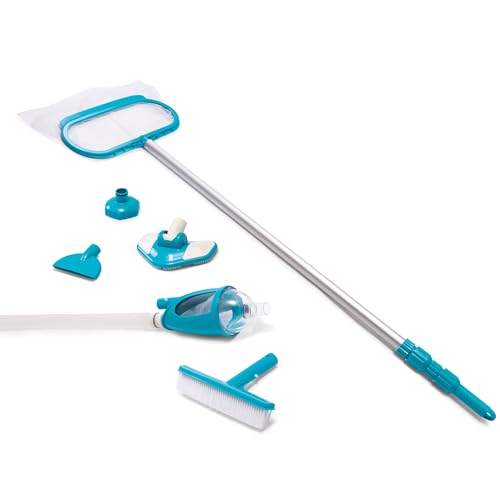
Intex 28003E Deluxe Above Ground Pool Maintenance Kit for Minimum 800 GPH Flow Rates with Vacuum, 110" Pole, Wall Brush and 24' Hose (Color May Vary)
- Deluxe Pool Maintenance Kit: Includes various cleaning tools
- Powerful Vacuum: Operates with filter pump for debris removal
- Adjustable Telescoping Pole: 110-inch aluminum pole for large pools
As an affiliate, we earn on qualifying purchases.
As an affiliate, we earn on qualifying purchases.