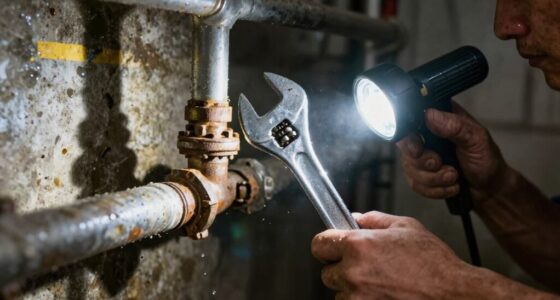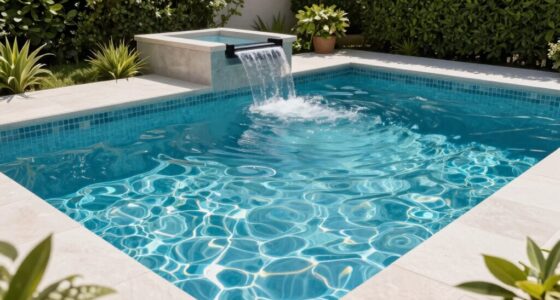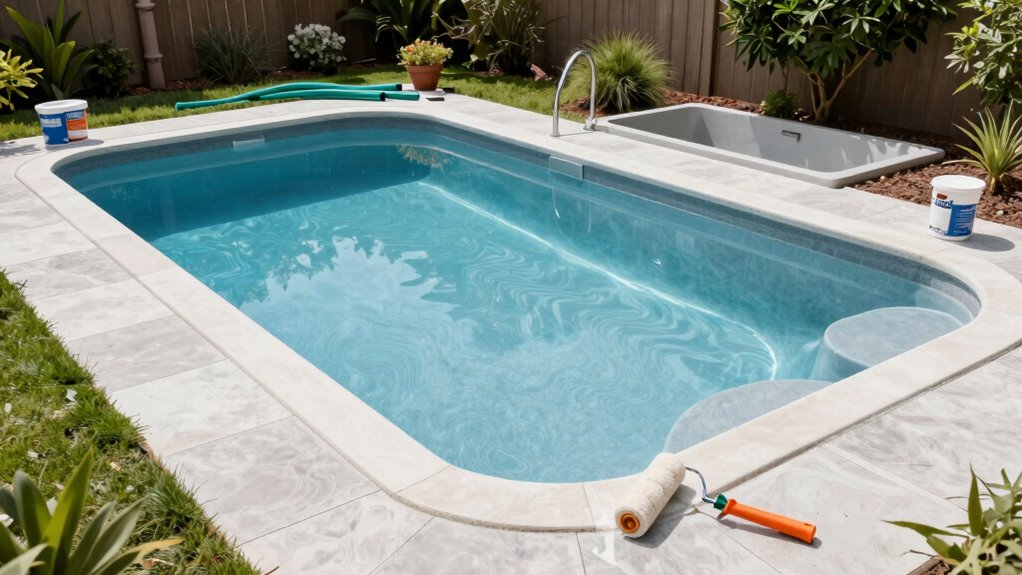

When choosing between a pool renovation and full replacement, consider costs, safety, and long-term benefits. Renovations are usually cheaper upfront and can extend your pool’s life with minor repairs, but they might not fix structural issues or provide modern features. Full replacements cost more initially but offer newer safety standards, energy-efficient equipment, and updated designs that can boost your property’s value. To make an informed decision, it’s helpful to explore these options further.

Get pool and patio gear delivered free with Prime
- Fast, free delivery on millions of items
- Prime Video, Amazon Music and more included
- Member-only deals all year
Key Takeaways
- Renovation is cost-effective for minor repairs, while full replacement offers a modern, long-lasting solution with higher initial costs.
- Structural damage may require full replacement to ensure safety and compliance with current standards.
- New pools feature advanced technology, automation, and eco-friendly options for improved convenience and efficiency.
- Full replacement can reduce future maintenance costs with durable, updated materials and energy-efficient equipment.
- Aesthetic upgrades and safety features in new pools enhance outdoor space appeal and user protection.
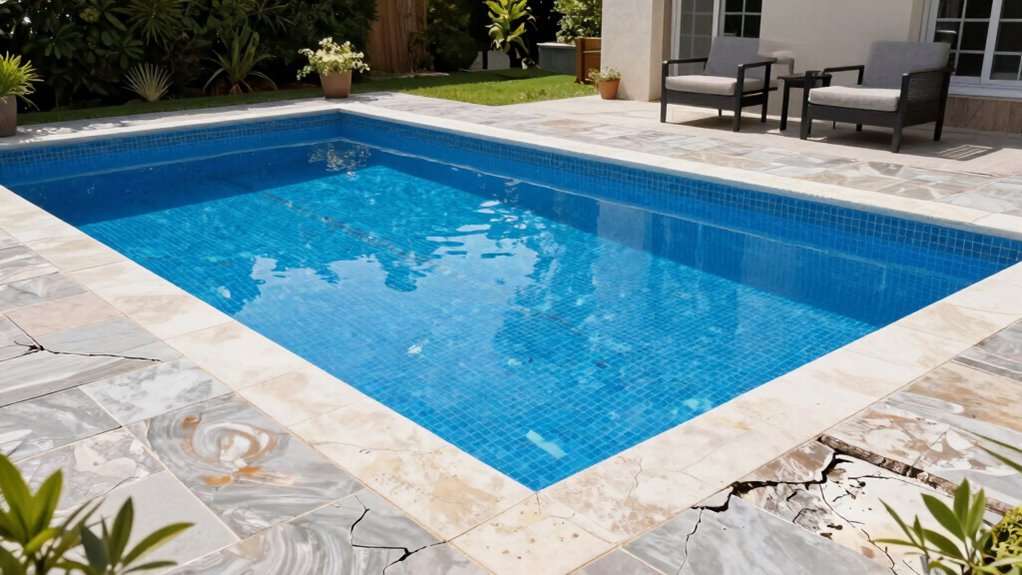
Deciding between renovating your existing pool or opting for a full replacement can be a pivotal choice that impacts both your budget and the longevity of your outdoor oasis. When weighing your options, it’s crucial to consider how each approach affects your overall investment, including safety features and long-term costs. Renovating often involves updating the current structure, resurfacing surfaces, and modernizing equipment, which can be more cost-effective upfront. However, a full replacement might be necessary if your pool’s foundation is compromised or if outdated design elements no longer meet your needs.
Choosing between pool renovation and full replacement impacts your budget, safety, and long-term enjoyment.
Budget considerations play a significant role in this decision. Renovations tend to be less expensive initially, especially if your pool only needs minor repairs or surface updates. You may be able to extend the life of your pool without a hefty investment, saving money in the short term. Still, keep in mind that some issues, like structural damage or outdated plumbing, could lead to higher costs down the line if not properly addressed during renovation. On the other hand, a full replacement, while more costly at the outset, can provide a fresh start with the latest technology, energy-efficient equipment, and modern designs. This can reduce maintenance costs and improve your pool’s efficiency over time.
Pool safety is another critical factor to evaluate. If your current pool has structural issues, cracks, or outdated safety features, renovation might not fully resolve these concerns. In such cases, a complete replacement ensures the integrity of the pool, reducing the risk of accidents and leaks. Additionally, newer pools come with updated safety features like improved fencing, non-slip surfaces, and better lighting, which enhance overall pool safety. If safety standards have evolved since your pool was built, replacing or retrofitting your pool might be the best way to meet current regulations and protect everyone using it. Understanding the importance of pool terminology and proper water chemistry can also help you maintain your pool effectively regardless of your choice.
Furthermore, considering the technology available in new pools can significantly influence your decision, as advancements in automation and water treatment systems can improve convenience and safety. Incorporating eco-friendly options during renovation or replacement can also contribute to a more sustainable backyard environment. Additionally, selecting a new pool design that aligns with modern aesthetic preferences can greatly enhance your outdoor space’s appeal and value. Recognizing the impact of pool safety features is essential when making your decision, as these elements are vital for protecting all users.
Products Worth Considering

Ring Alarm 14-Piece Wireless Security System Kit

Dyson Cyclone V10 Origin Cordless Vacuum

Samsung 85 M80H Series Mini LED 4K Smart TV (2026)
As an affiliate, we earn on qualifying purchases.
Frequently Asked Questions
How Long Does a Typical Pool Renovation Take?
A typical pool renovation takes about 2 to 4 weeks, depending on the scope of work. During this time, you’ll work on pool design elements, updating features and finishes. You’ll also need to regularly check water chemistry to guarantee safe, balanced water after completion. Keep in mind that unforeseen issues can extend the timeline, so staying flexible helps. Regular communication with your contractor ensures your renovation stays on track.
What Are the Hidden Costs in Pool Replacement?
When replacing your pool, watch out for hidden fees and unexpected expenses that can add up quickly. These might include permit costs, extended labor fees, or unforeseen repairs to surrounding areas. Always get a detailed estimate upfront and ask about potential extra charges. By staying informed, you can better manage your budget and avoid surprises during the project, ensuring a smoother replacement process.
Can I Upgrade Pool Features During Renovation?
Yes, you can upgrade pool features during renovation. This is a great time to add or enhance pool lighting, which improves ambiance and safety. You might also consider installing new water features like fountains or waterfalls to boost your pool’s aesthetic appeal. Renovations give you the opportunity to customize your pool to fit your lifestyle and style preferences, making it more enjoyable and visually stunning.
How Do I Choose a Reliable Pool Contractor?
About 70% of homeowners say trustworthiness is their top priority when choosing a pool contractor. To select a reliable one, start by checking their credentials and reviews. Ask about pool financing options they offer, which can ease costs. Make certain they’re licensed and insured, and request references. A reputable contractor will be transparent about costs, timelines, and quality, giving you confidence your pool renovation or replacement is in expert hands.
What Maintenance Is Needed After Renovation or Replacement?
After your pool’s renovation or replacement, you need regular pool cleaning to keep it sparkling and prevent algae buildup. Also, focus on chemical balancing to maintain proper pH and sanitizer levels, which protect your pool and extend its lifespan. Check your equipment regularly, clean filters, and monitor water quality. Consistent maintenance guarantees your upgraded pool stays inviting, safe, and in top condition for years to come.
Conclusion
Think of your pool like a vintage car—you can give it a fresh paint job and new tires, or opt for a complete overhaul. I once helped a homeowner who chose renovation over replacement, saving thousands and reviving their pool’s charm. Sometimes, a well-executed renovation feels like turning back time, restoring beauty without starting from scratch. Weigh your options carefully, and remember: whether you choose a facelift or a full rebuild, your backyard oasis can still shine brightly.