TL;DR

Get pool and patio gear delivered free with Prime
- Fast, free delivery on millions of items
- Prime Video, Amazon Music and more included
- Member-only deals all year
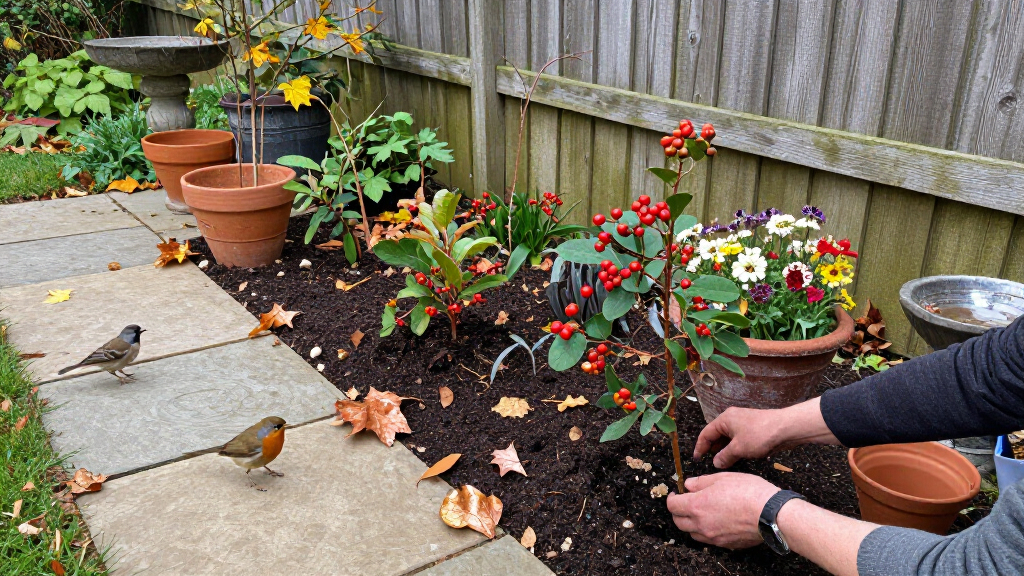
An Ideal Home report, citing wildlife and garden experts, recommends planting holly, rowan, hawthorn, crab apple and ivy in October to support birds through winter. The plants can provide berries, fruit, cover or shelter, although the report does not establish how many birds a particular garden will attract or support.
An Ideal Home report recommends planting holly, rowan, hawthorn, crab apple and ivy in October to give garden birds food or shelter during winter. The guidance, based on comments from wildlife and garden experts, identifies potential benefits for robins, finches, redwings, blackbirds and other birds, but does not guarantee that planting any one species will attract them to a particular garden.
The five plants offer different kinds of support. Holly has evergreen, dense foliage that can provide cover, as well as berries. Amber Tunney, plant buyer at Cherry Lane Garden Centres, said holly offers both food and shelter, with berries used by birds including thrushes, robins and pigeons. The report does not say that every holly plant will provide berries in every garden or season.
Rowan produces clusters of berries that can feed birds such as redwings and blackbirds in early winter, according to Thomas Cave Saunders, Amie Wheeldon and Jon Pilling, designers of the Lifted By Birds Garden. Hawthorn is presented mainly as a shelter plant: Tunney said its dense, thorny growth gives birds places to rest and take cover, making it a possible wildlife-friendly hedge choice.
Crab apple fruits can remain on the tree into winter, providing food for thrushes and winter migrants, the garden designers said. Ivy can also supply cover; mature plants produce berries that ripen later than many other fruits, according to Tunney. The report’s recommendations concern the plants’ potential value to wildlife, not a measured comparison of their effects.
Food and Cover as Winter Supplies Fall
The recommendations matter because they focus on two needs that can become harder for birds to meet as the weather gets colder: food and protected places. Plants that retain fruit or provide dense foliage may add resources to a garden when other natural supplies are less available, according to the experts quoted in the report.
The choices also give gardeners more than one way to help. Berry-bearing trees and shrubs such as rowan, holly and crab apple can offer food, while holly, hawthorn and ivy can provide cover. The report does not quantify the benefit, and results will depend on factors such as whether plants are mature, their growing conditions and the wildlife already present.
bird-friendly holly bushes for winter
As an affiliate, we earn on qualifying purchases.
As an affiliate, we earn on qualifying purchases.
Five October Planting Choices
The report presents October as a time when gardeners can still plant bird-friendly species ahead of winter. It does not provide a detailed planting calendar, regional advice or specific instructions on soil, spacing and aftercare. Gardeners should check the needs of each plant and whether it suits their site before buying or planting it.
The list combines trees, a hedge plant and a climber. Rowan and crab apple provide fruits; holly is described as offering both berries and evergreen cover; hawthorn is recommended for dense shelter; and mature ivy can provide late-season berries as well as cover. The source quotes practitioners and a garden-centre plant buyer, rather than reporting results from a controlled study.
“Holly is a great choice for a bird-friendly garden, offering both food and shelter.”
— Amber Tunney, plant buyer at Cherry Lane Garden Centres, on holly
As an affiliate, we earn on qualifying purchases.
What the Planting Advice Cannot Predict
The report does not give evidence that planting these species will ensure visits from particular birds, nor does it measure the amount of food or shelter they provide. It also does not specify how quickly newly planted trees or shrubs will become useful, or whether the same results apply across different climates and garden conditions.
Several benefits depend on maturity and fruiting: ivy berries, for example, are described as a feature of mature plants. The source also does not explain whether every plant will fruit reliably or how bird use varies by species. Gardeners should treat the recommendations as expert guidance about potential habitat value, not a promise of a specific outcome.
hawthorn shrubs for wildlife shelter
As an affiliate, we earn on qualifying purchases.
As an affiliate, we earn on qualifying purchases.
Planting Choices Before Winter
Gardeners considering the list can check the planting and care requirements for each species, then choose plants suited to their space. The report offers no follow-up study or scheduled update on bird numbers, so the practical next step is planting and allowing the plants to establish, with their value depending on growth and local conditions.
As winter progresses, the potential food and cover will vary by plant and maturity. Whether gardens see more robins, finches, redwings or blackbirds remains a local outcome rather than a confirmed result of the recommendations.
crab apple trees with winter fruit
As an affiliate, we earn on qualifying purchases.
As an affiliate, we earn on qualifying purchases.
Key Questions
Which five plants does the report recommend?
It recommends holly, rowan, hawthorn, crab apple and ivy for potential food or shelter for birds in winter.
Which plants can provide berries or fruit?
The report describes berries from holly, rowan and mature ivy, and fruit from crab apple. The availability of fruit can depend on plant maturity and growing conditions.
Why include hawthorn if it is not presented as a food source?
Wildlife expert Amber Tunney says hawthorn’s dense, thorny growth can provide birds with sheltered places to rest and take cover.
Will planting these species guarantee more birds in a garden?
No. The report describes possible benefits but provides no measured results or guarantee that particular birds will visit a garden.
Source: rss
Halloween Picks
halloween
As an affiliate, we earn on qualifying purchases.