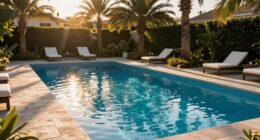
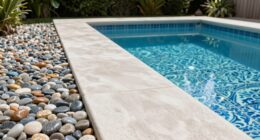
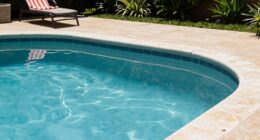
Choosing a darker pool finish can boost your energy efficiency because it absorbs more sunlight and naturally heats your water. This means your pool stays warmer longer, reducing the need for extra heating and lowering energy bills. Darker finishes are especially effective in sunny climates but less so on cloudy days. For more tips on maximizing your pool’s energy savings and how climate affects this, keep exploring what you can do.
Key Takeaways
- Darker pool finishes absorb more sunlight, increasing natural water heating and reducing the need for active heating systems.
- They enhance solar energy capture, leading to lower energy consumption and cost savings over time.
- Dark finishes help maintain higher water temperatures longer, decreasing reliance on electric or gas heaters.
- In cloudy or cooler climates, the thermal benefits are reduced, impacting energy efficiency gains.
- In hot climates, darker finishes may cause excessive heating, potentially increasing cooling costs or discomfort.
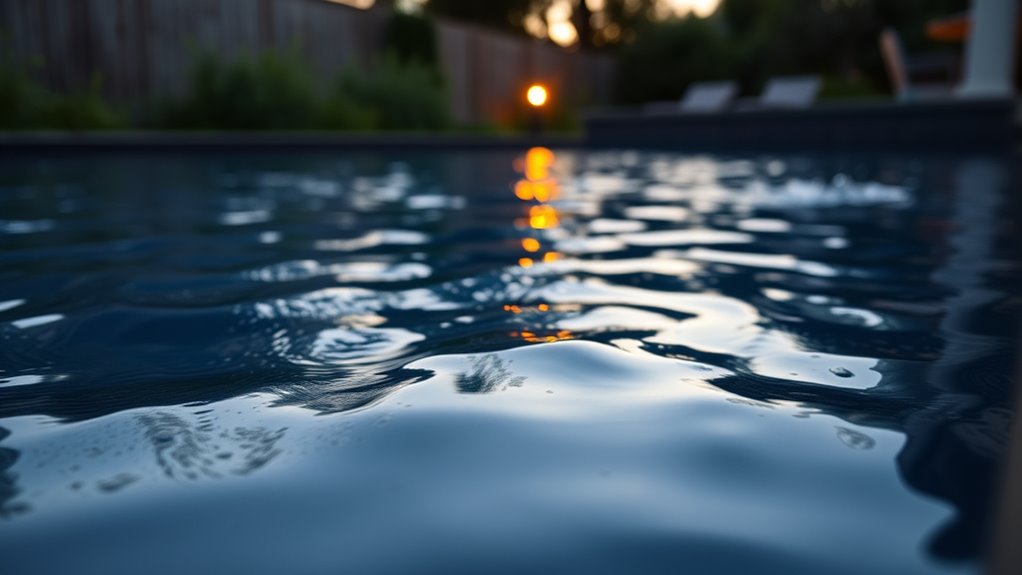
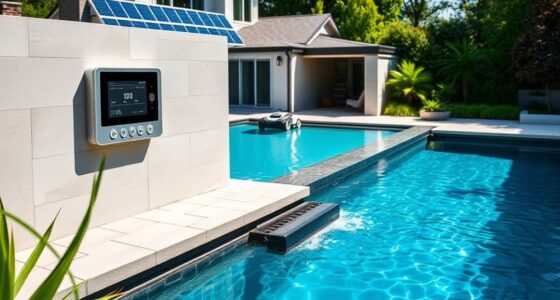
Darker pool finishes can substantially impact energy use by affecting how much heat your pool absorbs and retains. When you’re considering the type of finish for your pool, it’s important to recognize that darker surfaces tend to absorb more sunlight through a process called thermal absorption. This means that during sunny days, your pool’s darker finish will naturally heat up more than lighter colors, reducing the need for additional heating sources. If you’re interested in solar heating, choosing a darker finish can complement this system by maximizing the amount of solar energy captured. As sunlight strikes the darker surface, it penetrates deeper and heats the water more effectively, helping to maintain warmer temperatures with less energy expenditure.
This process is especially advantageous if you want to lower your energy bills or reduce reliance on pool heaters. Since darker finishes absorb and retain more heat, you might find that your pool stays warmer longer throughout the day and even into the night. That means less time and energy spent on active heating, which can considerably cut down on energy costs. Plus, by optimizing thermal absorption, you’re making your pool more energy-efficient overall. You’ll notice that your pool’s temperature remains higher without constantly relying on electric or gas heaters, which are typically the biggest energy consumers in pool maintenance.
However, keep in mind that the increased heat absorption from darker finishes isn’t without its trade-offs. During cloudy days or in cooler climates, the thermal absorption benefits might not be as pronounced, and your pool may not heat up as much naturally. Additionally, in very hot climates, a darker finish could lead to excessive heating, causing your pool water to become uncomfortably warm and potentially increasing the need for cooling measures or additional filtration. Consequently, when selecting a darker finish, consider your local climate and how much sunlight your pool receives throughout the year.
Ultimately, if your goal is to maximize energy savings and harness natural heat, opting for a darker pool finish can be a smart move. It enhances thermal absorption, which boosts the efficiency of solar heating systems and reduces overall energy consumption. You’ll enjoy warmer water with less reliance on traditional heaters, saving money and energy in the long run. Just remember to weigh the climate and your personal comfort preferences to ensure your pool remains enjoyable without unintended overheating. Choosing the right finish is a simple yet impactful way to make your pool more energy-friendly and environmentally conscious. Moreover, understanding how color and finish choices influence heat absorption can help you make more informed decisions about your pool design.

RAMUC EP Epoxy Pool Paint – 1.25 Gallon Two-Part Epoxy Coating for Concrete, Gunite & Fiberglass Pools – Durable High-Gloss Protective Finish – Available in 7 Colors (1.25 Gal Kit) (Dark Blue)
Trusted American Brand Since 1933 – RAMUC is a U.S. manufacturer known for high-quality, contractor-grade pool coatings used…
As an affiliate, we earn on qualifying purchases.
As an affiliate, we earn on qualifying purchases.
Frequently Asked Questions
Do Darker Pool Finishes Increase Water Temperature Significantly?
Yes, darker pool finishes can increase water temperature markedly by absorbing more sunlight. This helps solar heating work more efficiently, reducing your energy costs. However, you should watch out for algae growth, which thrives in warmer, darker environments. Regular maintenance and proper water chemistry are essential to prevent algae while still benefiting from the heat absorption of darker finishes.
How Do Darker Finishes Affect Pool Maintenance Routines?
Your pool maintenance routine becomes a bit more intense with darker finishes, which can turn into a battlefield against algae growth. You’ll need to clean the surface more often to prevent algae buildup and keep the water sparkling. Expect to spend extra time skimming and brushing, as algae tends to cling to darker surfaces. Regular surface cleaning is essential to maintain water quality and avoid algae-related headaches down the line.
Are There Any Health Concerns With Darker Pool Surfaces?
You might wonder if darker pool surfaces pose health concerns. Generally, they’re safe, but consider the environmental impact of materials used. Darker finishes can absorb more heat, potentially increasing chemical use for water balance. They also enhance aesthetic appeal, making your pool look sleek. However, verify the finish is non-toxic and eco-friendly to avoid skin irritation or environmental harm, and regularly check for any signs of wear or chemical imbalance.
What Is the Lifespan Difference Between Dark and Light Pool Finishes?
Darker pool finishes generally have a shorter lifespan than lighter ones due to surface durability issues. You might notice that dark surfaces tend to fade or stain over time, reducing pool longevity. However, if you choose high-quality materials and proper maintenance, the difference narrows. Typically, dark finishes last around 7-10 years, while light finishes can endure up to 12-15 years, ensuring longer-lasting enjoyment and less frequent resurfacing.
Do Darker Finishes Require More Chemical Treatment?
Darker finishes don’t necessarily require more chemical treatment, but they can make algae growth more noticeable, almost like a shadow creeping across your pool. You might need to monitor chemical levels more closely to prevent algae from taking hold. Regular maintenance helps keep your pool crystal clear. While darker finishes can hide stains, they also demand vigilant chemical treatment to stay pristine, especially in shaded or humid environments.

Aukivon 2026 Upgraded Solar Pool Heater with Adjustable Support Feet, Pool Heater for Above Ground Pool, Inground Pool Warmer, with 2 Adapters, 2 Hoses & Clamps, 2 Plumber Tapes, Thicken Connector
🌐【Eco-friendly Solar Heating】Harness the sun's energy for a green and energy-efficient pool heating solution for a sustainable and…
As an affiliate, we earn on qualifying purchases.
As an affiliate, we earn on qualifying purchases.
Conclusion
Ultimately, selecting a darker pool surface can indeed decrease your energy use by raising water temperature through enhanced absorption of sunlight. While some skeptics argue that the effect is minimal, studies suggest that over time, the warmer water lessens the need for heating, saving you money. So, if you want to cut back on energy costs and potentially lower your environmental impact, a darker finish isn’t just aesthetic—it’s a smart, energy-efficient choice.

MICOE 17,000 BTU Energy-Efficient Electric Pool Heater for Above Ground Pools up to 5,000 Gallons, Ultra-Quiet 50 dB, 110–120V, Easy Install Kit Included
Large Heating Capacity : 17,000 BTU high-efficiency heating system designed specifically for 8-15ft (5,000 gallon) above-ground pools. Using…
As an affiliate, we earn on qualifying purchases.
As an affiliate, we earn on qualifying purchases.
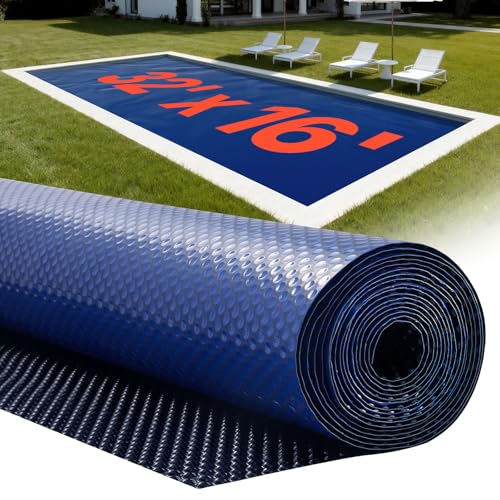
VEVOR Solar Pool Cover, 32 x 16 ft Pool Bubble Cover, 16 Mil Pools Solar Blanket with Dual Heat-Locking Air Layer for Pools, Daytime Heat Absorption, Nighttime Heat Retention, Blue & Silver, Cuttable
Enjoy Longer Swims: This 32 x 16ft/9.75 x 4.88m rectangle solar pool cover works as a reliable pool…
As an affiliate, we earn on qualifying purchases.
As an affiliate, we earn on qualifying purchases.