
TL;DR

Get pool and patio gear delivered free — and shop member deals
- Fast, free delivery on millions of items
- Access to Prime Big Deal Days deals on October 6–7
- Prime Video, Amazon Music and more included
A resident of São Paulo has turned a neglected, degraded area into an urban forest. The project demonstrates community-led environmental restoration and urban greening efforts. Details on the project’s scope and impact are emerging.
A resident of São Paulo has transformed a degraded, abandoned area into a vibrant urban forest, demonstrating the potential of community-led environmental initiatives in the city. This effort highlights local activism aimed at improving urban green spaces amid ongoing urbanization pressures.
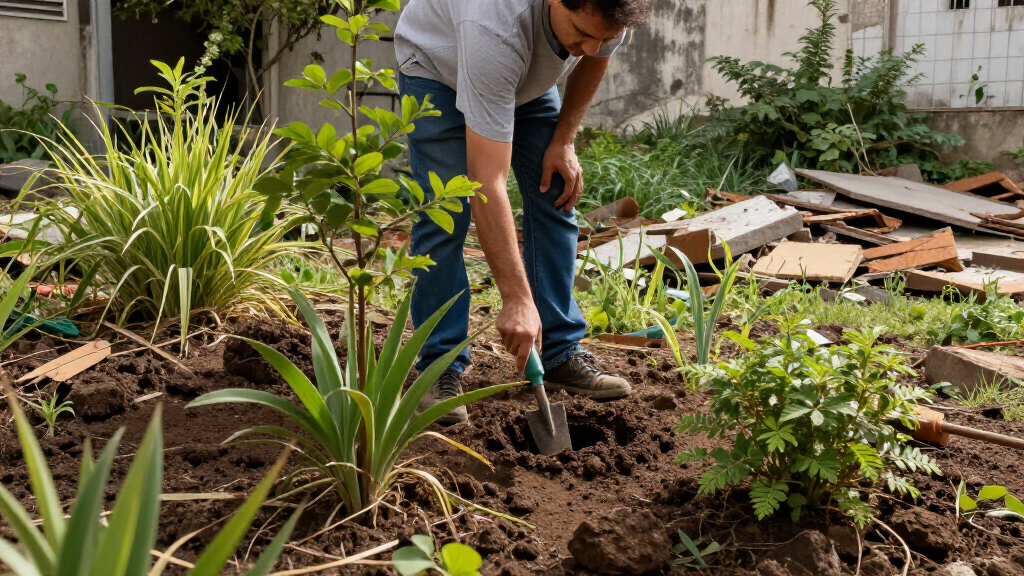
The project was initiated by Helio da Silva, a local resident, who began planting native trees and creating green corridors in a neglected lot located in the Tiquatira neighborhood. According to da Silva, the area was previously a site of illegal dumping and neglect, with little vegetation or community use.
Over the past year, da Silva and volunteers have cleared debris, planted over 200 native trees, and constructed pathways to facilitate community access. The initiative has received support from local NGOs and some municipal agencies, though it remains largely a grassroots effort. The transformed area now features a small park with native flora, serving as an ecological refuge and a community space.
Community-Led Urban Greening in São Paulo
This project exemplifies how individual and community actions can contribute to urban environmental restoration, especially in densely populated cities like São Paulo. It underscores the importance of grassroots initiatives in supplementing municipal efforts to expand green spaces, which can improve air quality, biodiversity, and residents’ well-being.
The effort also raises awareness about the potential for degraded urban areas to be rehabilitated through local engagement, potentially inspiring similar projects elsewhere in the city and beyond.
As an affiliate, we earn on qualifying purchases.
Urban Degradation and Green Initiatives in São Paulo
São Paulo faces ongoing challenges with urban sprawl, pollution, and degraded land, often resulting from illegal dumping and neglect of vacant lots. While the city has official programs to promote green spaces, many areas remain neglected or inaccessible to residents.
In recent years, community-led projects have gained attention as effective ways to address these issues. The transformation of this particular area in Tiquatira aligns with broader trends of local activism aimed at environmental recovery and urban beautification, often filling gaps left by municipal programs.
“This space was abandoned and full of trash. I wanted to turn it into something positive for the community and nature.”
— Helio da Silva
As an affiliate, we earn on qualifying purchases.
Extent of Municipal Support and Long-Term Maintenance
It is not yet clear how much official municipal support the project has received or will receive going forward. The long-term sustainability of the urban forest and its integration into city planning remain uncertain, as ongoing maintenance and community engagement are essential.
community green space planting supplies
As an affiliate, we earn on qualifying purchases.
As an affiliate, we earn on qualifying purchases.
Scaling Up Community Green Projects in São Paulo
Local residents and organizations plan to monitor the progress of this urban forest and advocate for official support to expand similar initiatives. The project could serve as a model for transforming other neglected areas in São Paulo, with potential partnerships with municipal agencies to ensure sustainability.
As an affiliate, we earn on qualifying purchases.
Key Questions
How large is the urban forest created by the resident?
The current area covers approximately 1,000 square meters, with plans for expansion based on community interest and support.
Are there plans to involve more residents in maintaining the urban forest?
Yes, local community groups are organizing volunteer days and educational activities to promote ongoing care and engagement.
What types of trees and plants have been planted?
The project primarily features native tree species such as Pau-brasil, Ipê, and Jacaranda, along with native shrubs and ground cover to promote local biodiversity.
Is this effort officially recognized by the city?
While the project has received informal support from some municipal agencies, it remains largely a grassroots effort without formal city designation at this stage.
Can other neighborhoods replicate this project?
Yes, the model demonstrated here shows that community-led initiatives can be effective, especially with support from local organizations and eventual municipal backing.
Source: hn
Fall Picks
fall essentials
As an affiliate, we earn on qualifying purchases.