
TL;DR

Get pool and patio gear delivered free with Prime
- Fast, free delivery on millions of items
- Prime Video, Amazon Music and more included
- Member-only deals all year
The Lincoln Memorial Reflecting Pool’s algae bloom after recent renovation illustrates challenges in water feature maintenance. Experts emphasize balancing water conditions to prevent algae growth, offering lessons for homeowners.
The Lincoln Memorial Reflecting Pool has developed a significant algae bloom just days after its $14 million restoration was completed, illustrating common water maintenance issues that also affect private water features.
Officials from the Interior Department confirmed that the algae growth was caused by residual algae from supply lines that had been dormant for eight weeks. Experts suggest that factors such as the water source, removal of beneficial bacteria, hot weather, and the darker paint color absorbing more sunlight contributed to the bloom. The algae turned the water a green, slimy color, raising concerns about water quality and ecological impact.
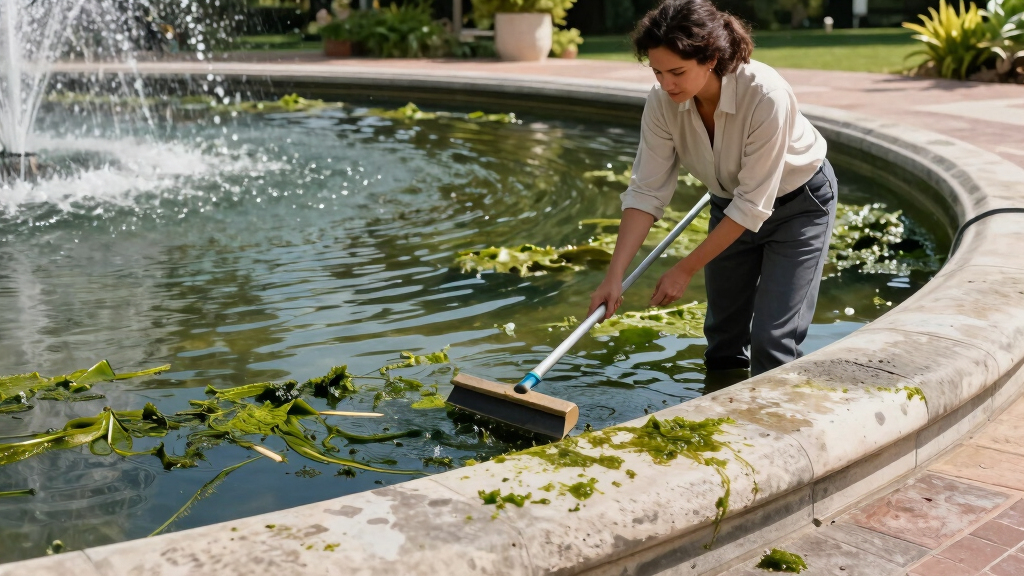
Algae thrive in shallow, sunlit water, especially when circulation is poor and nutrients from runoff or organic debris are present. While algae can be toxic and cause health issues, the primary challenges for homeowners include clogged filters, damaged pumps, and slippery surfaces. Maintaining balanced water conditions through debris removal, proper filtration, and circulation is key to preventing such blooms.
Lessons from the Lincoln Memorial for Water Feature Care
The algae bloom at the Lincoln Memorial highlights the importance of understanding biological factors in water maintenance. It underscores that even highly engineered water features are living systems that require ongoing, small-scale management. For homeowners, this incident emphasizes the need for regular debris removal, proper circulation, and monitoring water chemistry to prevent algae overgrowth and maintain water quality.
Products Worth Considering

Ring Alarm 14-Piece Wireless Security System

eufy Security Essential 7-Piece Alarm System with HomeBase Mini

Ring Alarm 8-Piece Kit (2nd Gen) Home Security System
As an affiliate, we earn on qualifying purchases.
Understanding the Roots of Algae Growth in Water Features
The Lincoln Memorial Reflecting Pool’s recent algae bloom follows a pattern seen in many water features during summer months, when heat, sunlight, and nutrient runoff promote algae growth. The renovation’s use of darker paint increased sunlight absorption, creating warmer conditions conducive to algae. Historically, algae problems in water features have been linked to poor circulation, organic debris, and nutrient levels, all of which can be managed through regular maintenance. This event serves as a reminder that natural biological processes continue to influence even highly controlled manmade water systems.
“Green water can show up fast once summer conditions kick in. That does not always mean the whole system is broken, just that water conditions shifted enough for algae to take advantage.”
— an anonymous researcher
Unresolved Factors in the Reflecting Pool’s Algae Bloom
It is still unclear whether the algae will recede before the 4th of July or if additional factors, such as ongoing water chemistry issues or climate conditions, will prolong the bloom. The specific impact of the darker paint and the removal of beneficial bacteria remains under investigation, and experts are monitoring whether further intervention is needed.
Next Steps for Maintaining Water Quality in Public and Private Pools
Authorities and experts plan to monitor the Lincoln Memorial Pool closely, adjusting water circulation and chemical treatments as needed. For homeowners, the key next steps involve implementing routine maintenance practices—such as debris removal, filter cleaning, and circulation checks—and possibly using environmentally safe algaecides. Education on biological balance will be critical in preventing future blooms.
Key Questions
Why did the algae bloom occur after the renovation?
The bloom was likely triggered by a combination of residual algae from supply lines, increased sunlight absorption due to darker paint, hot weather, and removal of beneficial bacteria, which together created ideal conditions for algae growth.
Is algae in water features dangerous?
Algae can be toxic and cause health issues such as skin irritation or respiratory problems. It can also clog filters and damage pumps. Some algae types produce toxins that pose additional health risks.
What can homeowners do to prevent algae in their water features?
Regular maintenance practices like removing debris, cleaning filters, ensuring good circulation, and shading water with plants or covers help prevent algae growth. Monitoring water chemistry and avoiding nutrient buildup are also important.
Will the algae bloom resolve on its own?
It is uncertain whether the bloom will recede naturally. Active intervention, such as increased circulation and chemical treatment, may be necessary to restore water clarity before upcoming public events.
What lessons can private water feature owners learn from this incident?
Owners should understand that water features are dynamic biological systems requiring ongoing maintenance. Consistent debris removal, circulation, and water chemistry monitoring are essential to prevent algae overgrowth.
Source: rss