TL;DR

Get pool and patio gear delivered free with Prime
- Fast, free delivery on millions of items
- Prime Video, Amazon Music and more included
- Member-only deals all year
Gardening Know How recommends eight steps to make frequently used garden areas less attractive to snakes, including clearing clutter, mowing grass and sealing gaps. Its report says October can be a useful time to act as some snakes seek winter shelter, but the advice is general and local snake behavior varies.
Gardening Know How has published an eight-step fall checklist for making garden areas less attractive to snakes, recommending that homeowners remove hiding places and food sources and close access gaps. The report singles out October as a useful time for those measures because, it says, some snakes begin seeking sheltered places to spend the winter as temperatures fall.
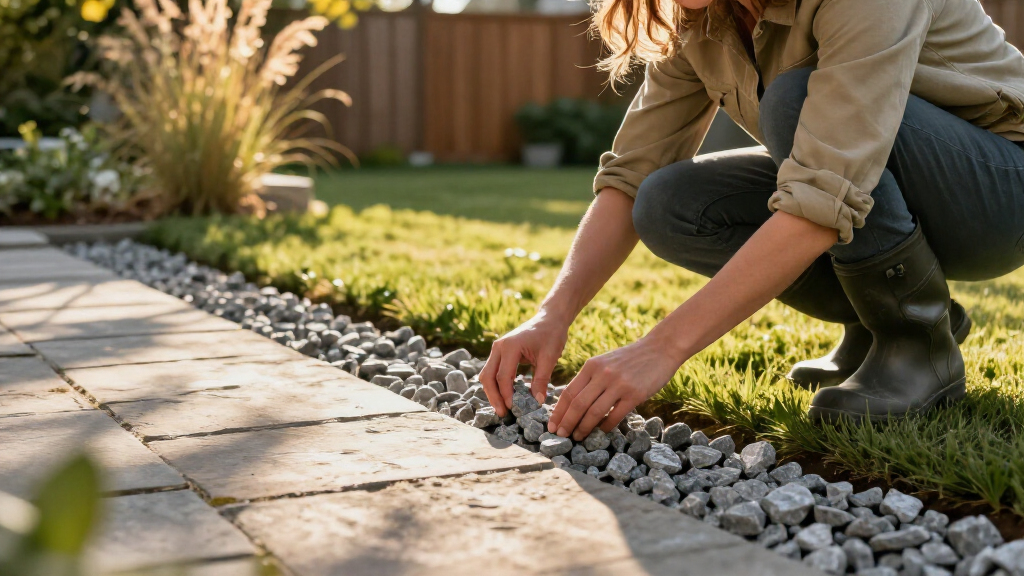
The checklist focuses on reducing the shelter and prey available near places people use. It advises clearing clutter, fallen leaves and dense vegetation from frequently used parts of the yard, while allowing people who want to support wildlife to leave shelter in less-used corners. For firewood stacks and compost piles, it suggests moving them farther from the house. The report warns readers to use tools rather than hands when clearing potential hiding spots; it says ordinary gardening gloves may not prevent a snake bite.
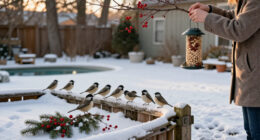
Other recommendations include keeping grass at 3 inches or less, trimming vegetation along lawn edges, and pruning lower shrub branches so the ground beneath is more visible. For garden beds, it favors fine compost over pine straw or chunky bark, which the report describes as potential cover. It also suggests reducing rodents and insects attracted to fallen birdseed by using low-waste feed and a seed-catching tray.
The final step is to inspect sheds, summerhouses and homes for gaps and repair them. Gardening Know How suggests steel wool as a temporary barrier, but its supplied report does not give a method for checking that a gap is unoccupied before it is closed. Homeowners should avoid reaching into concealed spaces and should seek local wildlife or pest-control guidance if a snake is present. The article’s recommendations are general; it does not report a controlled test showing that the eight measures prevent encounters or exclude snakes.
Reducing Shelter Near Living Spaces
These measures matter most to people who want to reduce the chance of encountering a snake in patios, paths, play areas or near buildings. Removing dense cover and prey can make those particular spaces less attractive, while leaving a more distant, undisturbed area can preserve habitat for wildlife. The report notes that many snakes are not venomous and can eat rodents, slugs and insects, so deterrence need not mean trying to remove every snake from a property.
The distinction is important: the advice is about setting boundaries around regularly used areas, not proving that a yard can be made snake-free. A snake sighting does not by itself establish that the animal is dangerous. Local species and risks differ, so residents should consult official wildlife guidance for their area and avoid handling or attempting to kill a snake.
Products Worth Considering

Ring Alarm 14-Piece Wireless Security System Kit

Roborock Q7 M5+ Robot Vacuum and Mop with Self-Emptying Dock

Philips Hue Secure Wired Video Doorbell, 2K, Black
As an affiliate, we earn on qualifying purchases.
Why the Report Focuses on October
According to Gardening Know How, falling autumn temperatures can prompt reptiles to look for frost-free places to spend the winter in a state called brumation, which the report compares with hibernation but says is less deep. It says snakes may be active while searching for shelter and food, making fall a practical time to reduce cover and seal building gaps.
The report also says snakes need to build energy reserves before winter and may be drawn to gardens where prey is plentiful. Its claim that females commonly produce 10 to 30 young is presented as general background, not as a forecast for a particular garden or species. Reproduction and seasonal behavior vary among species and locations, and the article does not identify a region or provide local wildlife data.
““October is the very best time of the year to make your yard inhospitable to snakes.””
— Gardening Know How
Local Snake Risks Vary
The supplied report does not provide research methods, named experts, citations for its numerical claims, or evidence quantifying how much any step reduces snake visits. It also does not identify the locations or species to which its October timing applies. Climate, local species and seasonal patterns can affect when snakes seek shelter, so October may not be the right timing everywhere.
It is also unclear whether closing an individual gap could trap an animal inside a structure. The report recommends sealing access points but does not describe an inspection protocol. People who suspect a snake is inside a building should not block the opening or investigate by hand; they can contact local wildlife authorities or a qualified professional for advice.
Check Local Guidance Before Acting
The immediate next step for readers is to inspect the areas they regularly use, starting with visible clutter, long grass, low shrub cover and gaps around outbuildings. Work cautiously, use tools rather than hands around concealed material, and avoid disturbing a snake. Before closing holes or moving substantial piles, check for signs of wildlife and consult local authorities if there is any doubt.
Gardening Know How’s report does not announce a follow-up study or a formal review of the recommendations. Readers seeking advice specific to their region should check official wildlife or public-safety sources, particularly for local species identification and procedures for handling a snake found in or near a building.
Key Questions
Why does the report recommend acting in October?
Gardening Know How says some snakes begin looking for sheltered places to spend the winter as temperatures fall. The timing is a general recommendation, and local climate and species can change when that behavior occurs.
What are the report’s main steps for discouraging snakes?
It recommends clearing clutter, keeping grass short, pruning low shrub branches, using fine compost rather than bulky mulch, reducing food sources that attract prey, and sealing gaps in buildings. These steps aim to reduce shelter and prey around frequently used areas; they do not guarantee a snake-free yard.
Should every snake in a garden be removed?
No. The report says many snakes are nonvenomous and can eat rodents and garden pests. If a snake is in a frequently used area, avoid touching it and consult local wildlife guidance rather than assuming it is dangerous or trying to kill it.
Is October the best time to deter snakes everywhere?
The October recommendation comes from Gardening Know How and is not shown in the supplied material to apply universally. Seasonal behavior varies by location and species, so check local official guidance before acting.
Source: rss