As you explore latest swimming trends, natural pools stand out for offering a chemical-free, eco-friendly experience. By mimicking natural ecosystems with biological filtration and native plants, these pools provide healthier water without harsh chemicals like chlorine. They blend seamlessly into outdoor spaces, supporting local wildlife and promoting sustainability. If you’re curious about creating or converting to a natural pool, discover how this eco-conscious trend can enhance your backyard and lifestyle naturally.

Get pool and patio gear delivered free — and shop member deals
- Fast, free delivery on millions of items
- Access to Prime Big Deal Days deals on October 6–7
- Prime Video, Amazon Music and more included
Key Takeaways
- Increasing consumer demand for eco-friendly, chemical-free swimming options boosts the popularity of natural pools worldwide.
- Advances in biological filtration and native plant integration make natural pools more sustainable and low-maintenance.
- Natural pools offer a healthier, chemical-free alternative that aligns with eco-conscious lifestyle trends.
- Design innovations facilitate seamless integration of natural pools into outdoor landscapes, promoting biodiversity.
- Growing awareness of environmental impacts encourages homeowners to adopt natural, chemical-free swimming solutions.

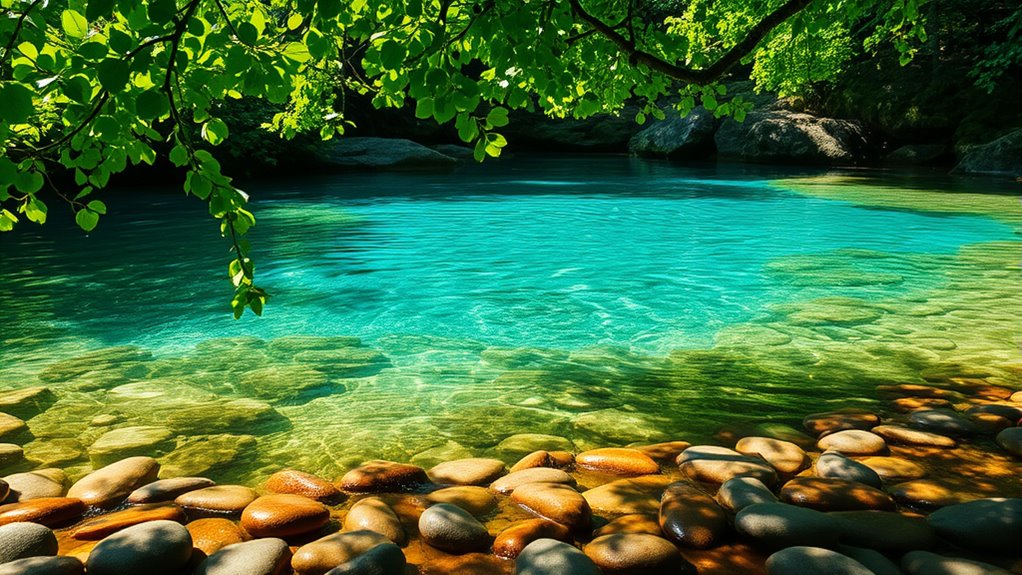
Have you ever considered swimming in a pool that’s as natural as a lake? If you’re looking to ditch harsh chemicals and embrace a more eco-friendly lifestyle, natural pools might be just what you need. These pools use eco friendly filtration systems that rely on biological processes rather than chlorine or other chemicals, creating a healthier environment for both swimmers and the planet. Instead of traditional filtration methods, natural pools incorporate a planted regeneration zone, which acts as a natural filter. This zone is filled with specific plants that help break down organic waste, keep the water clear, and maintain a balanced ecosystem. It’s like creating a tiny, self-sustaining pond right in your backyard.
Discover natural pools with biological filtration and native plants for eco-friendly, sustainable backyard swimming.
One of the key factors in designing a successful natural pool is indigenous plant selection. Choosing native plants isn’t just about aesthetics; it’s about creating a balanced ecosystem that thrives in your local environment. Indigenous plants are adapted to your climate and soil conditions, so they require less maintenance and are more resilient against pests and diseases. They also support local biodiversity, attracting beneficial insects and wildlife, which further enhances the ecological health of your pool. By selecting the right indigenous plants, you foster a natural purification process that keeps your pool clean without chemicals. Plus, native plants often have roots that are well-suited to filtering water efficiently, making your pool not only beautiful but also sustainable. Incorporating indigenous plants is essential for establishing a resilient and environmentally friendly natural pool.
When you opt for a natural pool with eco friendly filtration and carefully chosen indigenous plants, you’re making a conscious decision to reduce your environmental footprint. You won’t need to worry about the effects of chlorine runoff or the long-term impact of chemical treatments on your skin and the environment. Instead, you get to enjoy a swimming experience that feels closer to nature, with water that’s naturally balanced and inviting. These pools blend seamlessly into outdoor landscapes, becoming a part of your backyard’s ecosystem rather than an artificial interruption.
Building or converting a traditional pool into a natural one might require some upfront planning, but the benefits are worth it. You’ll spend less on chemicals and maintenance over time, and you’ll create a habitat that supports local wildlife. Whether you want a serene pond-like feature or a sleek, modern look, prioritizing eco friendly filtration and indigenous plant selection ensures your natural pool remains sustainable, beautiful, and enjoyable for years to come. It’s a smart, forward-thinking move that aligns with your desire for a healthier, greener lifestyle—swimming as close to nature as possible.
Frequently Asked Questions
How Long Does It Take to Build a Natural Pool?
Building a natural pool typically takes 3 to 6 months, depending on size and complexity. During construction, you focus on ensuring pool safety and proper water filtration, which are vital for maintaining a chemical-free environment. You’ll need to plan for excavation, installing biological filters, and planting vegetation. This process requires patience, but it results in a eco-friendly, safe swimming space that blends seamlessly into your landscape.
Are Natural Pools Suitable for All Climates?
Natural pools can suit many climates, but their climate adaptability and seasonal viability vary. If you live in a mild or temperate zone, you’ll likely enjoy year-round use. However, in colder climates, you might need to winterize or insulate your pool. Proper design and plant selection enhance climate adaptability, ensuring your natural pool remains functional and beautiful through changing seasons.
What Maintenance Is Required for Natural Pools?
You need to regularly maintain your natural pool by checking the eco-friendly filtration system to guarantee it’s functioning properly. Plant maintenance is also essential; you should prune and manage aquatic plants to prevent overgrowth and keep water clarity. Regular cleaning of debris and monitoring water levels help maintain balance. These simple tasks keep your natural pool eco-friendly, healthy, and inviting, enabling you to enjoy chemical-free swimming all season long.
Can Natural Pools Prevent Algae Growth Effectively?
Yes, natural pools can effectively prevent algae growth if you use eco-friendly filtration and algae control methods. Regularly maintaining your biological filters keeps water clean and balanced, reducing algae buildup. You should also manage sunlight exposure and add beneficial plants that naturally suppress algae. With consistent care and the right eco-friendly techniques, your natural pool stays clear and inviting without relying on harsh chemicals.
Are Natural Pools More Expensive Than Traditional Pools?
Natural pools generally cost more upfront than traditional pools due to their specialized design and ecological systems, but they often save you money long-term on chemicals and maintenance. While the initial investment might seem higher, you’ll enjoy eco benefits like reduced chemical use and energy efficiency, making them a smarter choice over time. So, consider your budget and environmental priorities when weighing the cost comparison.
Conclusion
Remember, “what’s worth doing is worth doing well.” Embracing natural pools lets you swim in pure, chemical-free water while supporting eco-friendly practices. These pools blend beauty with sustainability, offering a invigorating alternative to traditional chlorinated waters. As more people switch to natural pools, you’re not just making a healthier choice for yourself but also for the planet. Immerse yourself in this trend and experience the pure joy of swimming in nature’s own creation.
Fall Picks
fall essentials
As an affiliate, we earn on qualifying purchases.