TL;DR

Get pool and patio gear delivered free with Prime
- Fast, free delivery on millions of items
- Prime Video, Amazon Music and more included
- Member-only deals all year
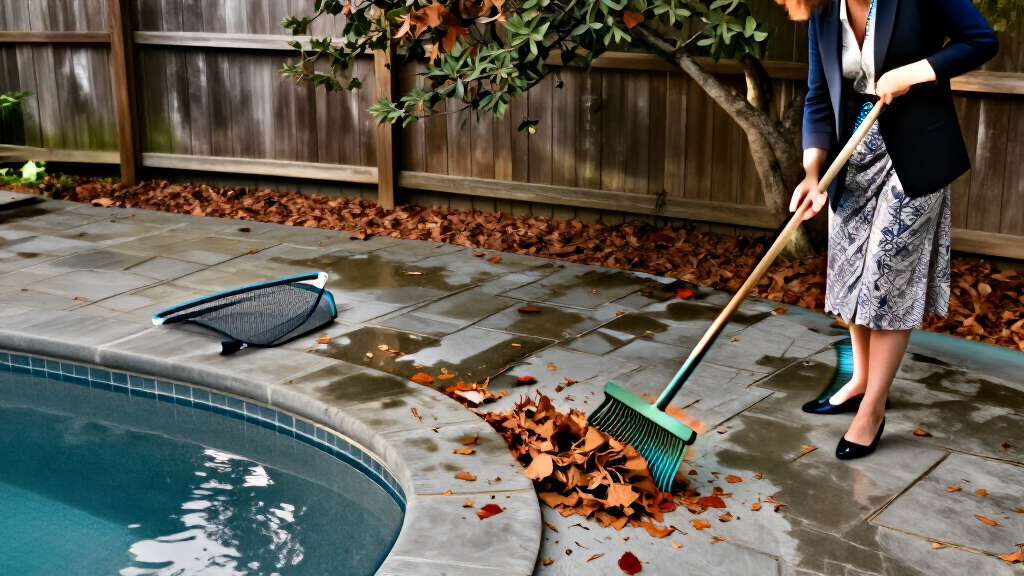
A Gardening Know How report says property owners generally have to clear leaves that fall naturally onto their land, even when the trees belong to a neighbor. It distinguishes natural leaf fall from a neighbor deliberately moving leaves across the boundary, while stressing that local rules vary and disputes should be documented and addressed carefully.
A Gardening Know How report says homeowners are generally responsible for leaves that fall naturally onto their property, even if the trees are next door. The report, written by a former attorney, says the situation may differ when a neighbor deliberately blows or dumps leaves across the property line, and cautions that applicable rules depend on state and local law.
The report describes the usual approach as assigning responsibility to the owner of the yard where the leaves land. It says this applies when wind carries leaves over a boundary, rather than requiring neighbors or local officials to determine which tree produced each leaf. The advice is a general overview, not a ruling on any specific property dispute, and local laws, ordinances or community rules may affect the result.
A different issue arises if a neighbor actively moves leaves onto someone else’s land, for example by blowing them over a fence or raking them up and depositing them there. The report says this is not natural leaf fall and advises homeowners to contact local code enforcement, their homeowners association or local authorities. It recommends collecting photos or video and keeping a dated record of conversations, cleanup and any resulting problems.
Leaves in gutters are treated separately from leaves on a lawn: the report says the owner of the gutter is generally responsible for clearing it. It adds that a homeowner may have a right to trim overhanging branches back to the property line from their own side, without entering a neighbor’s land or damaging the tree. Any legal remedy or right to trim may depend on local rules and the circumstances.
Responsibility Depends on How Leaves Arrive
The distinction between windblown leaves and leaves deliberately moved by a neighbor can shape what a homeowner should do next. Under the report’s general account, ordinary seasonal leaf fall is usually something each property owner manages on their own land. A deliberate deposit may instead warrant documentation and a complaint to the relevant local body or HOA.
That difference matters for practical decisions as well as possible disputes. A homeowner dealing with a blocked gutter should not assume that the tree owner must clear it, according to the report. If leaves contribute to a separate problem such as mold, the source and cause would need to be supported with evidence; the report says expert input may be needed. It does not establish that a neighbor is automatically liable for resulting damage.
As an affiliate, we earn on qualifying purchases.
Natural Fall Versus Deliberate Dumping
The source is a Gardening Know How article framed as legal guidance from a former attorney. Its central point is that naturally falling foliage is generally handled by the property owner whose land receives it, while intentionally shifting leaves onto a neighbor’s property is a different act. The report presents this as a broad rule and notes that state, city and neighborhood requirements can vary.
It also recommends starting with a calm conversation before escalating a neighbor dispute. A homeowner can explain the problem and seek a practical arrangement, then keep records if the behavior continues. The report does not cite a particular state statute or court decision, so its overview should not be treated as a determination of the law in every location.
“The general rule is that each property owner is responsible for the leaves on their lawn, regardless of whose trees the leaves came from.”
— Gardening Know How report
As an affiliate, we earn on qualifying purchases.
Local Rules and Damage Claims
The report does not identify a specific state, city or homeowners association, and no jurisdiction-specific legal advice can be drawn from its general overview. It is therefore unclear what rules would apply to a particular homeowner, including any local restrictions on leaf disposal, tree trimming or nuisance complaints.
The source also does not describe a specific dispute, official decision or court case. Whether deliberate dumping occurred, whether a homeowner has a viable claim, and whether leaves caused property damage would depend on evidence and local law. The report says documentation may help; it does not guarantee that photos, video or expert testimony will lead to a particular outcome.
tree branch trimmers for property line
As an affiliate, we earn on qualifying purchases.
As an affiliate, we earn on qualifying purchases.
Document the Problem and Check Locally
For a homeowner facing the issue, the report’s suggested first step is to speak with the neighbor calmly and explain what is happening. If leaves are being intentionally moved, keep dated notes and, where lawful, photographs or video that show the conduct. Homeowners can then check with their local code enforcement office, municipal authorities or HOA about applicable rules and complaint procedures.
For gutter blockages or claimed damage, the property owner should document the condition and seek appropriate professional advice. Anyone considering trimming an overhanging branch or taking legal action should check local requirements before proceeding. The source report gives no timeline for any official action or further development.
As an affiliate, we earn on qualifying purchases.
Key Questions
Who usually has to rake leaves that blow into my yard?
According to the Gardening Know How report, each property owner generally clears leaves that land naturally on their property, regardless of which yard the tree is in. Local rules may differ.
What if my neighbor deliberately blows leaves over the fence?
The report treats deliberate blowing or dumping differently from natural leaf fall. It suggests documenting what happened and contacting local code enforcement, local authorities or an HOA. The applicable rules depend on where you live.
Does the neighbor have to clean leaves out of my gutters?
The report says the owner of the gutter is generally responsible for clearing it. If blocked gutters cause additional damage, responsibility would depend on evidence and applicable law; the report does not say a neighbor is automatically liable.
Can I cut back branches hanging over my property?
The report says homeowners may generally trim overhanging branches back to the property line from their own side, without going onto the neighbor’s land or damaging the tree. Check local rules before cutting.
What evidence should I keep if leaves are being dumped?
The report recommends dated photos or video and a calendar of incidents, conversations and cleanup. If claiming related damage, such as mold, it says expert evidence about the cause may be needed.
Source: rss
Halloween Picks
halloween
As an affiliate, we earn on qualifying purchases.