
TL;DR

Get pool and patio gear delivered free with Prime
- Fast, free delivery on millions of items
- Prime Video, Amazon Music and more included
- Member-only deals all year
Homes & Gardens published a garden report recommending nine plants for fall interest, including Arkansas bluestar, Korean feather reed grass and red chokeberry. The plants are described as offering colorful foliage, late-season plumes, seedheads or berries; which choices suit a garden depends on local conditions and growing requirements.
Homes & Gardens has published a list of nine plants that can bring color and structure to gardens in fall, drawing on recommendations from landscape designers and professional gardeners. The report focuses on plants whose foliage, flowers, seedheads or berries become especially noticeable as temperatures cool and many summer blooms fade.
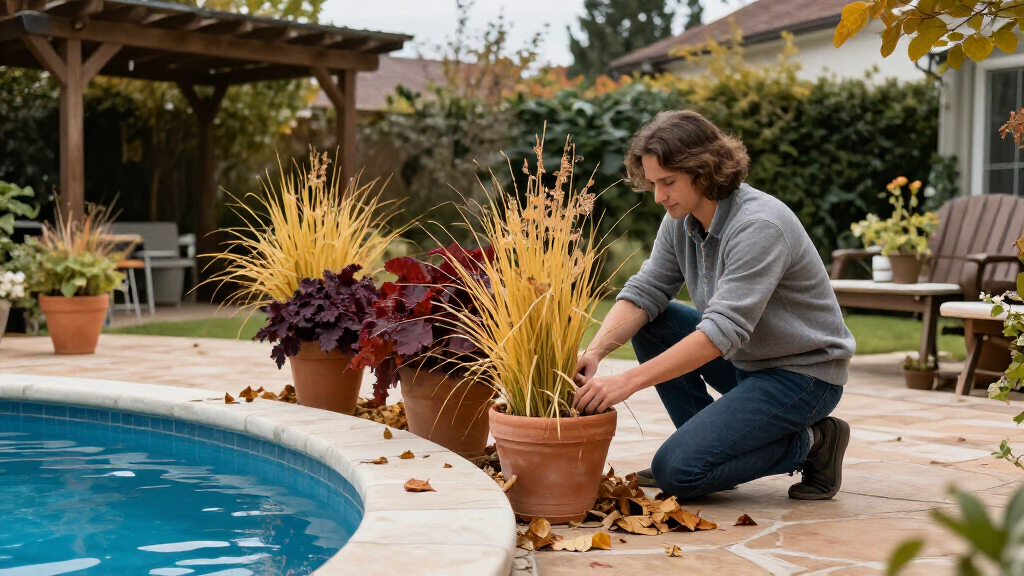
The report names Arkansas bluestar (Amsonia hubrichtii), Korean feather reed grass (Calamagrostis brachytricha), red chokeberry (Aronia arbutifolia) and pink muhly grass (Muhlenbergia capillaris) among its selections. Its recommendations emphasize different kinds of fall interest rather than a single look: bluestar is valued for its changing leaves, grasses for their plumes and movement, and chokeberry for red foliage and berries.
New York-based landscape designer Kat Aul Cervoni, founder of Staghorn Living, recommends Arkansas bluestar for its fine foliage, which the report says turns golden yellow with orange and red tones in fall. Cervoni also favors Korean feather reed grass for plumes that mature into soft, silvery-tan shades. The report describes red chokeberry as a shrub with white spring flowers, red fall foliage and glossy berries that may remain into winter.
Pink muhly grass offers a different effect, with airy pink plumes appearing in late summer and continuing into fall, according to the report. It cites Laura Janney, CEO of The Inspired Garden Masterclass, on the plant’s contrast between restrained green foliage in summer and its more prominent pink display later in the year. The source material provided for this article ends during its entry on muhly grass, so it does not include the remaining five plant descriptions.
Planning for Fall Color and Texture
The list is useful to gardeners planning for a season when many familiar summer flowers are fading. Plants selected for late foliage color, persistent berries or mature seedheads can extend visual interest without relying only on new blooms. Grasses, in particular, can add movement and soften plantings, while shrubs such as chokeberry offer both structure and food for wildlife.
These are recommendations, not a guarantee that every plant will perform the same way in every garden. The report itself gives differing site needs: Arkansas bluestar can grow in full sun or partial shade, while muhly grass is described as preferring full sun and well-drained soil. Matching a plant to local climate, soil and available space is key to making the seasonal display work.
Products Worth Considering

Shark Rotator Lift-Away Upright Vacuum, White/Red (NV501)

Bose SoundLink Plus Portable Bluetooth Speaker, Black

LG 85-Inch QNED84B Mini LED 4K Smart TV (2026)
As an affiliate, we earn on qualifying purchases.
Why These Plants Peak in Fall
Garden displays change as the growing season progresses. The report says the featured plants gain their appeal through maturation and cooler-season effects: leaves change color, ornamental grasses develop plumes, and berries become more conspicuous after flowers have passed. That timing makes them candidates for planting plans intended to carry interest beyond spring and summer.
The source gives some practical details. It describes red chokeberry as native to eastern North America and says it prefers moist soil; it also notes that the shrub can reach five to 10 feet tall and three to five feet wide. Arkansas bluestar is listed as suitable for U.S. hardiness zones 5–8, while the Korean feather reed grass listing gives zones 4–9. Those figures come from the report and should be checked against local conditions before planting.
“The fall foliage will knock your socks off.”
— Kat Aul Cervoni, founder of Staghorn Living, as quoted by Homes & Gardens
Limits of the Plant Recommendations
The supplied source material covers only the first four entries and cuts off partway through the muhly grass description, despite the headline promising nine plants. The other five selections and their details cannot be verified from the material provided. The source also does not provide a publication date, so the report’s precise timing is unknown.
Performance can vary with climate, exposure, soil moisture and local growing conditions. The report’s zone ranges and care notes are not a substitute for region-specific guidance, and its descriptions of color and visual impact reflect expert recommendations rather than results guaranteed in every garden.
Check Local Growing Conditions
Gardeners considering these plants can compare the report’s recommendations with local hardiness information, soil conditions and the space available at the planting site. Before buying, check current advice from a local extension service, nursery or other reliable regional gardening source, especially for water needs and potential mature size.
The Homes & Gardens source may provide the remaining five plant entries in its full article, but those descriptions were not included in the supplied material. Until they can be checked, this report can support discussion of the four plants documented here, not a complete account of all nine.
Key Questions
Which plants are identified in the supplied report?
The available material identifies Arkansas bluestar, Korean feather reed grass, red chokeberry and pink muhly grass. It does not include the other five entries promised in the article headline.
What makes Arkansas bluestar suitable for fall interest?
Landscape designer Kat Aul Cervoni says its fine foliage turns golden yellow with orange and red tones in fall. The source describes it as a clump-forming perennial that grows in full sun or partial shade.
Do the plants have the same growing requirements?
No. The report describes different needs: muhly grass prefers full sun and well-drained soil, while red chokeberry prefers wet soil. Check local growing guidance before choosing a plant.
Are all nine plant descriptions available here?
No. The supplied source text stops during the pink muhly grass entry. The remaining five plants and their descriptions are not confirmed in the material available for this article.
Source: homesandgardens.com