When choosing a pool for your vacation property, focus on safety features like fencing, alarms, and slip-resistant surfaces to protect guests. Take into account maintenance needs, such as easy-to-clean systems, water chemistry monitoring, and covers, to keep it inviting. Balance your budget with quality equipment and plan for long-term safety and durability from the start. If you keep these factors in mind, you’ll create a secure, beautiful retreat that guests love—there’s more to consider as you explore further.

Get pool and patio gear delivered free with Prime
- Fast, free delivery on millions of items
- Prime Video, Amazon Music and more included
- Member-only deals all year
Key Takeaways
- Consider the size and shape that best suits your property and guest needs for optimal space and functionality.
- Prioritize safety features like fencing, alarms, and non-slip surfaces to ensure a secure environment.
- Choose energy-efficient equipment and easy-to-maintain systems to reduce long-term operational costs.
- Ensure proper water chemistry management and routine cleaning for water quality and guest satisfaction.
- Incorporate safety and maintenance features during installation to enhance durability and guest safety from the start.

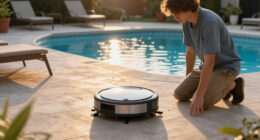
Are you considering adding a pool to your vacation property? If so, you’re making an exciting choice that can elevate the appeal and enjoyment of your getaway spot. However, before diving into construction or installation, it’s essential to understand the key factors involved. Among these, pool maintenance and safety considerations stand out as top priorities. Proper pool maintenance is critical to keep the water clean, clear, and inviting for your guests. Regularly testing and balancing the chemical levels—like chlorine and pH—is necessary to prevent algae growth and bacteria buildup. You’ll want to schedule routine cleaning, including skimming debris and vacuuming the pool floor, to maintain a pristine appearance. Investing in an efficient filtration system will help keep the water fresh and reduce the amount of manual cleaning needed. Additionally, consider installing a pool cover to keep debris out when the pool isn’t in use and to help maintain water temperature. Cabling solutions such as proper wiring for safety and equipment operation are also important to ensure everything functions correctly and securely. Ensuring your pool’s water chemistry is properly maintained contributes significantly to overall safety and water quality. It’s also beneficial to stay informed about new safety technologies that can further protect your guests. Regularly reviewing local safety standards and emerging safety innovations can help you implement the most effective measures.
Safety considerations are equally essential, especially if your vacation property sees frequent guests or children. You should guarantee the pool area is enclosed with a secure fence or barrier that meets local safety standards. Installing a self-latching gate will prevent unsupervised access by children or pets. It’s also wise to equip the pool with safety devices such as alarm systems that alert you if someone enters the water unexpectedly. Clearly visible safety signs can remind users of rules, like no diving in shallow areas, to prevent accidents. Proper lighting around the pool area enhances visibility during evening hours, reducing the risk of trips or falls. Furthermore, consider adding non-slip surfaces around the pool deck to prevent slipping. As part of your safety plan, always emphasize the importance of adult supervision when children are swimming. Providing life-saving equipment, such as a reach pole or life ring, nearby can be a lifesaver in emergencies. Regular safety inspections and adherence to local codes and regulations are essential for maintaining a secure environment. Being aware of local safety standards ensures your pool remains compliant and safe for all users.
Balancing pool maintenance and safety considerations from the start guarantees your vacation property remains an attractive, safe, and relaxing retreat. It’s worth investing in quality equipment and safety features to minimize ongoing issues and maximize guest satisfaction. When you prioritize these aspects, you create a space where everyone feels comfortable and secure, encouraging repeat visits and positive reviews. Ultimately, a well-maintained, safe pool transforms your vacation property into the perfect escape—offering fun and relaxation in a worry-free environment.
Products Worth Considering

Dyson V8 Cyclone Cordless Vacuum

Sonos Era 100 SL Compact, Microphone-Free Speaker – Black

Philips Hue Festavia Globe Outdoor String Lights, 32 Bulbs, 91 ft
As an affiliate, we earn on qualifying purchases.
Frequently Asked Questions
What Is the Average Maintenance Cost for a Vacation Property Pool?
The average maintenance cost for a vacation property pool is around $1,200 to $2,500 annually. You’ll need to budget for regular pool cleaning and chemical balancing to keep the water safe and clear. Costs can vary based on pool size and usage, but routine upkeep like skimming, vacuuming, and adjusting chemicals guarantee your pool stays inviting for guests while preventing costly repairs down the line.
How Energy-Efficient Are Different Types of Pool Heating Systems?
Think of pool heating systems like different types of engines—some run smoother and more efficiently than others. Solar heating is like a bright, renewable breeze, offering excellent energy efficiency in sunny climates. Heat pump efficiency varies based on model and conditions, making it less effective in colder weather. Overall, solar is the most eco-friendly and cost-effective, while heat pumps provide reliable warmth with moderate energy use.
Are There Any Legal Restrictions on Pool Size or Design?
You need to check local legal regulations before designing your pool. Many areas have restrictions on pool size, depth, and fencing requirements to guarantee safety and zoning compliance. Pool design might also be limited by building codes or homeowner association rules. To avoid issues, consult your local authorities or a professional pool designer early in your planning process, ensuring your pool meets all legal standards and enhances your vacation property.
What Safety Features Are Recommended for Private Vacation Pools?
You should install safety features like pool lighting to improve visibility at night and prevent accidents. Guarantee the chemical balance remains proper to keep the water safe and prevent skin or eye irritations. Consider adding a secure fence or cover to restrict access when not in use. Regularly check all safety devices and educate guests on pool rules to promote a safe and enjoyable experience for everyone.
How Does Pool Location Affect Property Insurance Premiums?
If your pool is centrally located and easily accessible, it can lower your property insurance premiums by reducing risk. For instance, a homeowner with well-placed pool accessories and thoughtful landscaping considerations, like fencing and clear visibility, might enjoy lower rates. Conversely, pools tucked away or lacking safety features can increase premiums. Proper placement and safety measures help insurers see your property as safer, potentially saving you money on coverage.
Conclusion
Choosing the right pool for your vacation property can subtly elevate your retreat’s charm and comfort. Think of it as adding a delicate touch that invites relaxation without overwhelming the space. With a little careful planning, you’ll create a serene oasis where guests can unwind effortlessly. Remember, the perfect pool isn’t just about aesthetics—it’s about crafting a quiet haven that whispers tranquility and leaves a lasting, gentle impression.