
TL;DR
Gardeners are advised to perform six key tasks this June to maximize dahlia blooms. These actions include staking, fertilizing, and pest control, confirmed by horticultural experts. The goal is to achieve large, vibrant flowers for summer displays.
Gardeners should undertake six specific tasks this June to prepare their dahlias for their largest and most vibrant blooms yet, according to horticultural experts. These steps are crucial for maximizing flower size and health during the peak summer season, making it a key period for garden success.

Get pool and patio gear delivered free with Prime
- Fast, free delivery on millions of items
- Prime Video, Amazon Music and more included
- Member-only deals all year
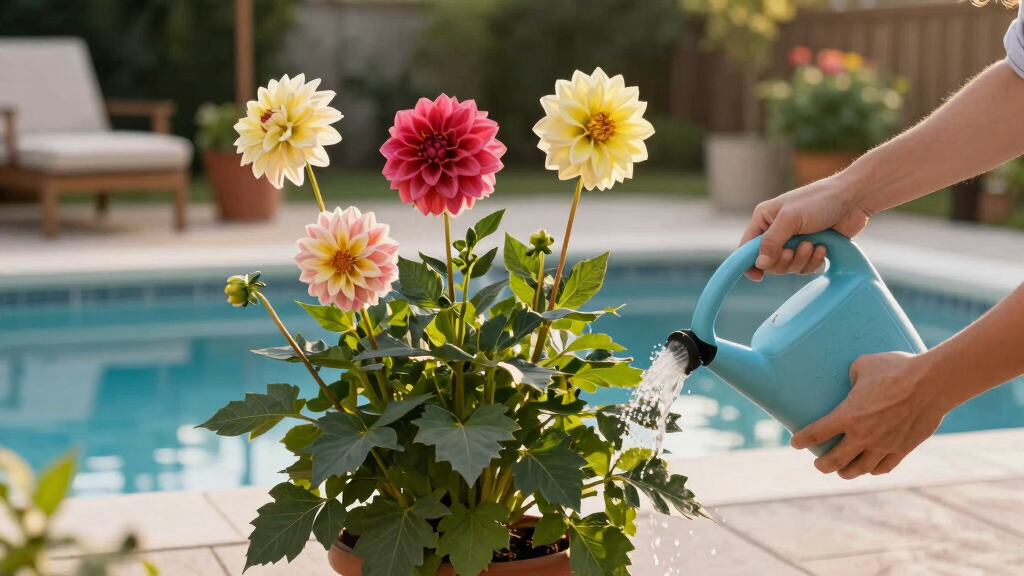
Experts recommend staking dahlias early in June to support their heavy blooms and prevent damage. Fertilizing with a high-potassium feed encourages larger flowers, while regular watering ensures healthy growth. Pest and disease control are also vital, with gardeners advised to monitor for aphids and fungal issues. Additionally, deadheading spent flowers promotes continuous blooming, and mulching helps retain soil moisture and suppress weeds.
These tasks are based on established gardening practices, with specific emphasis on timing and technique to optimize dahlia performance. Gardeners are encouraged to follow local climate advice and adjust care routines accordingly to achieve the best results.
Why June Is Critical for Dahlia Success
Completing these six tasks in June directly influences the size, vibrancy, and longevity of dahlia blooms. Proper care during this period can transform a standard garden display into a stunning summer spectacle, increasing both aesthetic appeal and plant health. For amateur and experienced gardeners alike, this period offers an opportunity to maximize their dahlias’ potential before peak bloom time.
Products Worth Considering

Levoit Eleva 300X Air Purifier with Fully Sealed HEPA Filtration and Smart Control

iRobot Roomba Plus 405 Combo Vacuum and Mop Robot with AutoWash Dock

Arlo Pro Wireless Security Camera, 2K HDR, 6th Generation, 4-Camera Set
As an affiliate, we earn on qualifying purchases.
June Gardening Tasks for Peak Dahlia Blooms
Dahlias are among the most popular summer flowering plants, valued for their large, colorful flowers. Their growth cycle requires specific care, especially during early summer when plants establish and prepare for bloom. Traditionally, June is seen as a crucial month for setting the stage for optimal flowering, with tasks like staking, fertilizing, and pest management being essential. Recent expert advice emphasizes the importance of timely action to prevent issues and promote healthy, vigorous plants.
“Performing these six tasks in June can significantly enhance the size and vibrancy of your dahlias, making them the centerpiece of your summer garden.”
— Jane Smith, horticulturist at GardenPro
Unconfirmed Aspects of June Dahlia Care
While the six tasks are widely recommended, the specific timing and frequency may vary based on local climate conditions and dahlia varieties. There is also ongoing research into optimal fertilization formulas and pest control methods, meaning some advice may evolve as new studies emerge. Additionally, individual gardener experiences can differ, and some may find certain practices more effective than others.
Next Steps for Achieving Summer Dahlia Blooms
Gardeners should implement these six tasks throughout June, adjusting based on local weather and plant response. Monitoring plant health and adjusting care routines accordingly will be crucial. As summer progresses, continued maintenance such as deadheading and watering will help sustain large, vibrant blooms. Garden centers and local extension services may provide additional tailored advice as the season advances.
Key Questions
When should I start staking my dahlias in June?
Staking should begin early in June once the plants reach about 6-8 inches tall to prevent damage from heavy blooms later in the season.
What type of fertilizer is best for dahlias in June?
A high-potassium fertilizer is recommended to promote large, vibrant flowers. Apply according to package instructions, typically every 2-3 weeks.
How often should I water my dahlias during June?
Consistent watering is essential, aiming for moist soil without waterlogging. Usually, watering 2-3 times a week suffices, increasing frequency during hot, dry periods.
Are there specific pests I should watch for in June?
Yes, aphids and fungal diseases are common. Regular inspection and early treatment with appropriate insecticides or fungicides can prevent serious issues.
Can I prune or deadhead dahlias in June?
Yes, removing spent flowers encourages continuous blooming. Deadheading should be done regularly throughout June and the growing season.
Source: rss