
TL;DR

Get pool and patio gear delivered free with Prime
- Fast, free delivery on millions of items
- Prime Video, Amazon Music and more included
- Member-only deals all year
Gardening Know How recommends crushed oyster-shell poultry grit around fall-planted tulip and crocus bulbs to discourage squirrels and underground pests. The gardening report says the material may also improve drainage and provide calcium, but it does not cite controlled tests comparing the method with chicken wire or other protections.
Gardening Know How recommends crushed oyster-shell poultry grit as a barrier to deter squirrels and other animals from digging up fall-planted tulip bulbs. The gardening report says grit can be placed above and below bulbs, and may also improve drainage, but it provides no controlled comparison showing the method works better than chicken wire or other approaches.
The report describes tulip and crocus bulbs as food sources for squirrels, chipmunks and underground rodents during fall, when freshly planted bulbs can be dug up before they establish roots. It proposes crushed oyster shells sold as poultry or chick grit, rather than flaked shells or a grit product mixed with other materials. Its explanation is that the shells’ rough edges make digging uncomfortable for animals.
For bulbs in containers, Gardening Know How suggests placing an approximately one-inch layer of grit on the soil surface. For bulbs planted in the ground, it recommends a layer at the bottom of the planting hole and another layer below the soil surface. Gardeners facing burrowing pests, the report says, can also place grit around individual bulbs. These are the article’s recommendations; it does not provide measured results, trial conditions or a success rate.
The report also says oyster shells break down slowly and can release calcium, while their coarse material may help drainage and loosen heavy soil. It cautions that adding substantial shell material can affect soil pH over time, particularly in already alkaline soil. The source does not quantify how much grit changes pH or how quickly that might occur in different gardens.
A Bulb Barrier With Soil Effects
For gardeners who regularly find bulbs dug up, the proposed method offers another option besides wire barriers, bulb baskets or companion planting. The suggested placement targets both animals digging from above and burrowing pests approaching from below. If it performs as described, it could protect a planting while avoiding a solid cover that gardeners must remove as shoots grow.
The advice also links pest deterrence with soil management: grit is presented as a drainage aid and a slow source of calcium. Those potential benefits depend on the soil and the amount used. The same material may be unsuitable in gardens where soil is already strongly alkaline, so the report’s suggestion is not a guarantee that oyster shells will benefit every planting.
Products Worth Considering

Philips Hue Secure Starter Kit with Contact Sensors, Motion Sensor, Bridge, and Color Smart Bulbs

PHILIPS Hue Smart LED Candle Light Bulb, B39, E12, 2-Pack

Philips Hue White and Color Ambiance Smart Light Starter Kit, 2 A19 Bulbs with Hub
As an affiliate, we earn on qualifying purchases.
Other Bulb-Protection Methods
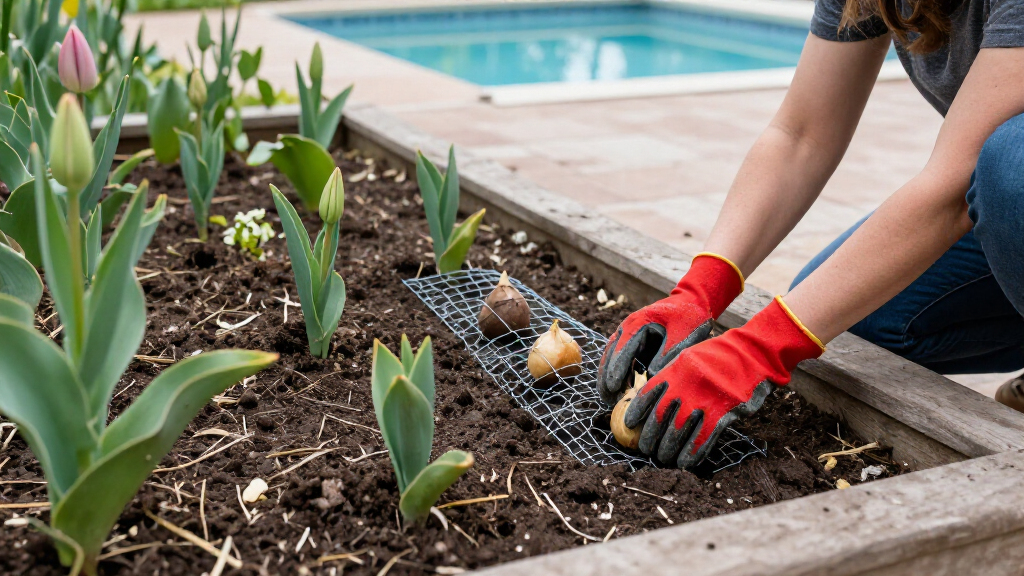
Gardening Know How notes that gardeners commonly use steel mesh or chicken wire over planting areas, plant less-palatable alliums alongside tulips and crocuses, or set bulbs in baskets. The report calls oyster-shell grit easier and more effective, but offers no cited head-to-head test or data to substantiate that comparison. Readers should treat that ranking as the publication’s recommendation, not as a demonstrated result.
The advice is aimed at bulbs planted in fall for spring flowering. The source says tulips and crocuses tolerate mildly alkaline soil, while some other bulbs, including camassia, prefer acidic conditions. It recommends checking soil pH if high alkalinity is a concern. No independent horticultural expert or product-testing results are included in the supplied material.
““The magic ingredient to keep these energy balls safe from squirrels is poultry grit made from crushed oyster shells.””
— Gardening Know How
How Well the Grit Performs
The supplied report does not identify a study, controlled garden trial or measured success rate for oyster-shell grit. It does not establish that the material stops all squirrels or rodents, or that it outperforms chicken wire, baskets or other protections. Effectiveness may vary with animal behavior, soil conditions and how the grit is placed.
The source also gives no recommended total quantity for a garden bed and no detailed guidance on how much shell material could affect soil pH. It says the shells break down slowly, but does not specify a time span. The claims about drainage, calcium release and deterrence are attributed to the gardening report and should not be read as quantified outcomes.
Check Soil Before Planting
Gardeners considering the method can follow the report’s placement instructions while checking that the product is crushed oyster shell, rather than a flaked product or a blend containing other materials. A soil pH test may help identify whether adding shells is a poor fit for a particular planting area. The report does not name a next study or say that further testing is planned, so independent comparisons with other bulb-protection methods remain unavailable in the supplied material.
Key Questions
What does the report recommend using to protect tulip bulbs?
It recommends crushed oyster-shell poultry grit, sometimes sold as chick grit, placed around or above newly planted bulbs. The source does not provide a measured success rate.
How should the grit be placed?
For pots, Gardening Know How suggests an approximately one-inch layer on the soil surface. For in-ground bulbs, it recommends a layer beneath the bulb and another below the soil surface, with grit around bulbs where burrowing pests are a particular problem.
Does oyster-shell grit work better than chicken wire?
The report describes it as more effective, but the supplied material includes no controlled comparison or trial data confirming that claim. It is one suggested option among several.
Could oyster shells change garden soil?
The report says crushed shells may improve drainage and release calcium as they slowly break down. It also warns that adding a large amount can affect soil pH over time, particularly in soil that is already alkaline.
Source: gardeningknowhow.com