TL;DR

Get pool and patio gear delivered free with Prime
- Fast, free delivery on millions of items
- Prime Video, Amazon Music and more included
- Member-only deals all year
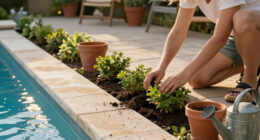
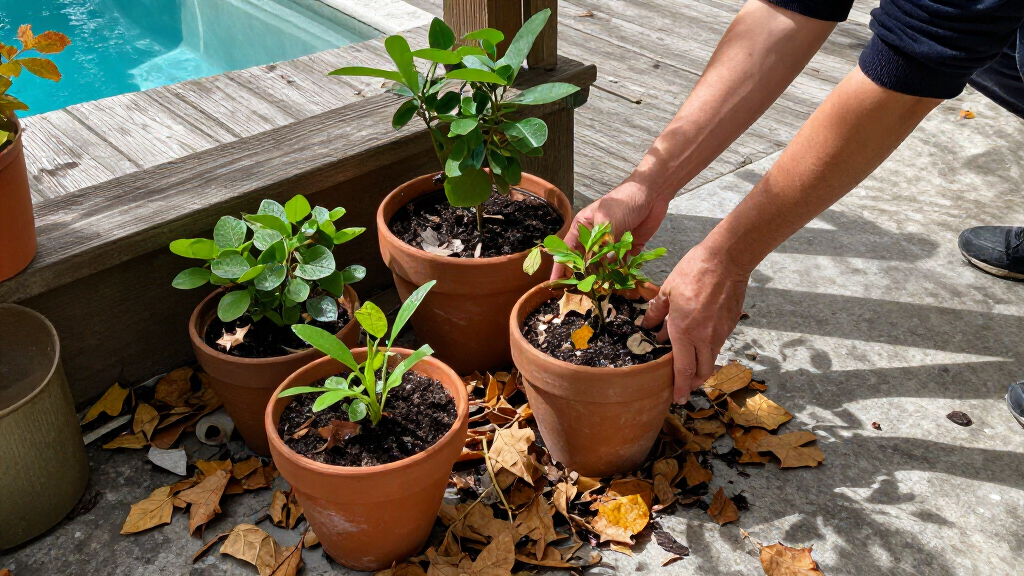
Gardening Know How recommends lifting patio planters off paving or decking in fall so water can drain freely through the pot’s drainage hole. The article says waterlogged soil can damage roots and raise the risk of rot; raising pots may help, but it does not guarantee plants will survive winter.
Gardening Know How recommends raising patio planters about an inch off the ground during fall and winter so rainwater can drain through their base holes. The gardening advice says the quick task may reduce prolonged waterlogging, which it identifies as a major risk to potted plants’ roots during wetter weather.
The report says pots placed directly on paving or decking may have little room for water to escape from their drainage holes, even when they are not sitting in saucers. In fall, increased rainfall and lower evaporation can leave water pooled at the bottom of containers. The suggested fix is to lift each planter enough to clear the drainage hole, with about an inch of clearance described as sufficient.
It also advises removing plant saucers, which can hold water around the pot. Options for lifting containers include pot feet, purpose-made risers, plant stands, or stable items already available, such as flat pebbles or old bricks. The article notes that larger and heavier pots may need more support than small containers; whatever is used must hold the planter securely and leave its drainage opening unobstructed.
The report says all outdoor potted plants may benefit from better drainage, with particular relevance for plants that prefer well-drained soil, including lavender and santolina. It also says raising pots can reduce marks or algae on patio surfaces and may help protect containers, especially terracotta, from cracking. These are potential benefits described in the source, not guarantees for every garden or pot.
Drainage Can Protect Potted Roots
The recommendation focuses on a preventable source of winter stress: roots left in saturated soil. The report explains that water can displace air in soil, limiting the oxygen available to roots. It says persistently wet conditions can also favor fungi and bacteria associated with root rot. If roots are damaged, a plant may become less able to withstand further stress.
Cold-hardy plants are not immune to problems caused by poor drainage. The article says water trapped in the pot can freeze and expand, potentially damaging root cells, while containers such as terracotta may also be vulnerable to cracking. Lifting pots is a low-cost maintenance step that may improve drainage, but it cannot address every cause of plant loss, including unsuitable growing conditions or severe cold.
heavy duty outdoor pot feet for large planters
As an affiliate, we earn on qualifying purchases.
As an affiliate, we earn on qualifying purchases.
Why Fall Rain Changes Pot Care
The advice is part of Gardening Know How’s “Weekend Win” series and is presented as a short seasonal garden task. Its rationale is a shift in conditions: during summer, the source says lower rainfall and higher evaporation can make water buildup less persistent. In fall, wetter weather can change how quickly containers dry out.
The report distinguishes between pot feet and pot risers. Feet sit beneath the planter and may be useful on uneven surfaces, while many risers offer a wider support area for larger or heavier containers. A plant stand is another option. The article cautions that small decorative feet may not support larger pots, so gardeners should match the support to the container’s size, shape, weight, and surface.
““raise patio planters on pot risers so roots don’t sit in wet soil and rot in this wetter weather.””
— Gardening Know How
adjustable planter risers with drainage clearance
As an affiliate, we earn on qualifying purchases.
As an affiliate, we earn on qualifying purchases.
Limits of the Drainage Advice
The supplied report does not provide controlled test results or quantify how much raising a pot changes plant survival. Its claim that waterlogged soil is the leading cause of potted-plant deaths over winter is the source’s gardening guidance; no data or comparison baseline is included. The outcome for an individual plant will depend on factors such as its species, container drainage, rainfall, and exposure to cold.
The source also does not specify one riser design suitable for every planter or surface. Gardeners need to check that supports are stable, strong enough for a filled pot, and do not block drainage. Raising a container may help water escape, but it does not replace plant-specific winter care.
outdoor plant stands for heavy pots weather resistant
As an affiliate, we earn on qualifying purchases.
As an affiliate, we earn on qualifying purchases.
A Quick Check Before Winter
The recommended next step is to inspect outdoor pots, remove any water-holding saucers, and raise planters on stable supports before sustained fall and winter rain. Check that each container’s drainage hole is clear and that the pot does not wobble. For a large or heavy planter, use supports designed for its load rather than small decorative feet.
Gardeners should continue to monitor their plants as the weather changes. The report gives no further scheduled update or follow-up test, so whether this advice improves survival in a particular garden will become apparent only through the plants’ condition over the season.
terracotta pot feet for patio planters
As an affiliate, we earn on qualifying purchases.
As an affiliate, we earn on qualifying purchases.
Key Questions
How high should patio pots be raised?
Gardening Know How suggests about an inch of clearance. The key is to keep the drainage hole free so water can flow out.
Do I need to remove plant saucers?
The report recommends removing saucers outdoors because they can hold water around the pot. Check the container and site so runoff does not create another problem.
What can I use to lift a planter?
Options named in the report include pot feet, pot risers, plant stands, flat pebbles, or old bricks. Choose supports that are stable, suitable for the planter’s weight, and leave the drainage opening clear.
Will raising pots guarantee they survive winter?
No. The advice may help reduce waterlogging, but it is not a guarantee. Plant hardiness, drainage, rainfall, and exposure to cold also affect winter survival.
Source: rss
Halloween Picks
halloween
As an affiliate, we earn on qualifying purchases.