Before choosing a pool tile finish, consider its durability and resistance to chemicals like chlorine and salt. Think about how easy it is to clean and maintain, especially to prevent calcium buildup and algae. Some finishes tolerate harsh cleaning agents better, reducing potential damage. Proper installation and understanding pool terminology help guarantee long-lasting performance. If you want to make an informed choice and keep your pool looking its best, there’s more to discover below.

Get pool and patio gear delivered free with Prime
- Fast, free delivery on millions of items
- Prime Video, Amazon Music and more included
- Member-only deals all year
Key Takeaways
- Select chemically resistant finishes like porcelain or glass to reduce cleaning effort and prevent damage from pool chemicals.
- Understand the tile’s durability and maintenance needs to ensure long-term appearance and performance.
- Use gentle, non-abrasive cleaning methods to avoid scratching or etching delicate finishes.
- Proper installation techniques are crucial for tile longevity and avoiding future repairs.
- Consider environmental factors and finish compatibility to maintain aesthetics and prevent discoloration over time.

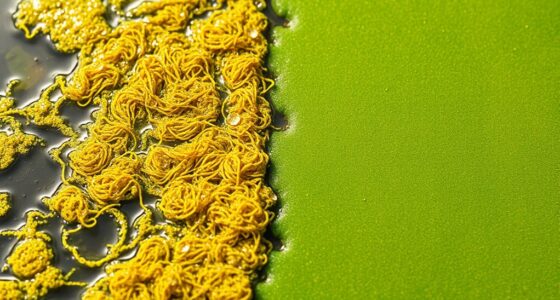
Ever wondered how to keep your pool tiles looking pristine and preventing costly damage? The key lies in understanding the importance of pool tile maintenance before you decide on a finish. First, you need to contemplate the durability of the tiles you select. Pool tile durability isn’t just about how long the tiles last; it’s also about how well they withstand constant exposure to water, chlorine, and other chemicals. Some materials, like porcelain or glass, tend to be more resistant to chemical staining and corrosion, making them a smart choice if you want long-lasting beauty with minimal fuss. On the other hand, natural stone tiles might offer a more luxurious look but often require more upkeep and are more susceptible to damage over time. Knowing how each type reacts to your pool environment helps you choose a finish that will hold up under your specific conditions. Understanding pool terminology can also help you better evaluate the features and limitations of different tile options. Additionally, being aware of the chemical resistance of different finishes can guide you in selecting tiles that will minimize maintenance challenges. It’s also helpful to consider the installation process, as proper installation can significantly influence the longevity and performance of your tiles. Chemical cleaning methods are another vital aspect you should understand before selecting your pool tile finish. Regular cleaning is essential to prevent calcium buildup, algae growth, and mineral deposits, which can damage your tiles and diminish their appearance. You might think about using harsh chemical cleaners, but these can sometimes degrade certain finishes or cause discoloration. Instead, opt for gentle, effective cleaning methods tailored to your tile type. For example, a mixture of vinegar and water or specialized tile cleaners can remove dirt and stains without harming the tile surface. It’s also important to avoid abrasive tools that can scratch or etch delicate finishes. Proper cleaning techniques are crucial for maintaining the longevity and appearance of your pool tiles. Consistent, proper cleaning not only preserves the aesthetic appeal but also extends the life of your tiles. Furthermore, understanding the long-term durability of your chosen finish can help you plan for necessary repairs or replacements in the future. Additionally, understanding the chemical resistance of your chosen finish helps you develop a cleaning routine that protects your investment. Some finishes are more resistant to chlorine and other pool chemicals, meaning you can clean more aggressively without risking damage. Others might require more delicate handling. By knowing how your tiles respond to different cleaning methods, you can prevent unsightly etching or discoloration, saving you money and effort in the long run.
Products Worth Considering

Dyson Ball Animal 2 Plus Corded Vacuum

Samsung 48-Inch S90H OLED 4K Smart TV (2026)

Philips Hue Festavia Globe Outdoor String Lights, 32 Bulbs, 91 ft
As an affiliate, we earn on qualifying purchases.
Frequently Asked Questions
How Often Should Pool Tiles Be Professionally Inspected?
You should have your pool tiles professionally inspected at least once a year. During a professional tile inspection, experts check for damage, calcium buildup, or grout issues. Regular pool tile cleaning keeps your surface looking great, but professional inspections catch problems early, preventing costly repairs. If you notice any cracks or discoloration, schedule an inspection sooner. Consistent maintenance guarantees your pool stays safe, functional, and visually appealing year-round.
Are There Eco-Friendly Cleaning Options for Pool Tiles?
Yes, you can opt for eco-friendly cleaning options for your pool tiles. Biodegradable cleaners are a great choice, as they break down naturally and minimize environmental impact. For natural stone care, use gentle, non-abrasive products that preserve the tile’s finish and prevent damage. Regularly scrubbing with eco-friendly solutions helps keep your tiles clean without harming the environment, ensuring your pool stays beautiful and sustainable.
Can Damaged Tiles Be Replaced Individually?
Yes, damaged tiles can be replaced individually. You should consider tile replacement using specific repair techniques that match your existing tiles. Carefully remove the broken tile, clean the area, and apply a suitable adhesive before setting the new tile. Proper matching of color and style is essential for a seamless look. If you’re unsure, consulting a professional guarantees the repair blends well and maintains your pool’s aesthetic.
What Are the Signs of Underlying Tile Grout Issues?
Did you know that over 60% of pool owners notice grout issues within five years? You’ll see signs like grout discoloration, which indicates moisture or mold problems, and cracked grout lines, revealing structural weakness. These issues often signal underlying tile grout problems that need attention. Ignoring them can lead to water leaks or tile damage, so regularly inspect your pool’s grout to catch issues early and keep your pool in top shape.
How Does Climate Affect Pool Tile Longevity?
Climate effects can considerably impact your pool tile’s durability. In colder areas, freeze-thaw cycles may cause tiles to crack or loosen over time, while hot, sunny climates can lead to fading or deterioration of certain finishes. You should choose tiles suited to your climate to enhance longevity. Proper maintenance, like regular cleaning and sealing, also helps protect against climate-related damage, ensuring your pool stays attractive and functional for years.
Conclusion
So, if you skip proper pool tile maintenance, your beautiful pool could turn into a swamp faster than you can say “drain it.” Neglect those tiles, and you might end up battling algae invasions, stubborn stains, and tile chaos that makes your backyard look like a disaster zone. But if you stay vigilant and care for your tiles, you’ll keep your pool sparkling, envy of the neighborhood, and a paradise so pristine, it’ll make even the most luxurious resorts jealous.