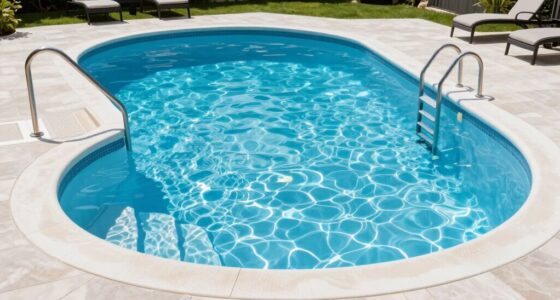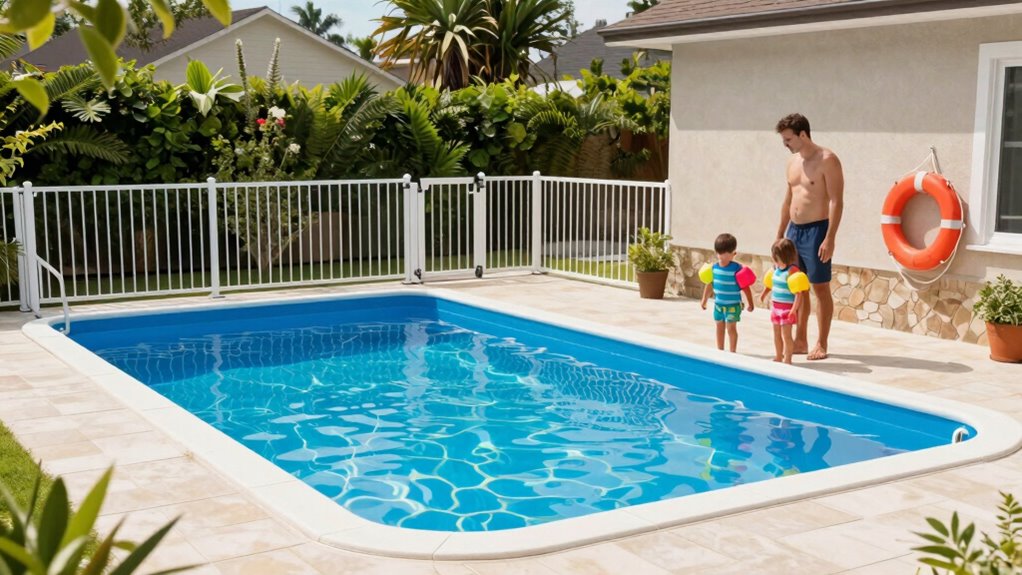

To keep your pool safe, always supervise children closely and stay within arm’s reach, even for older kids. Use safety equipment like life vests, alarms, and a secure self-latching gate, and make sure they’re in good condition. Establish clear rules, like no running or rough play, and guarantee everyone follows them. Regularly check safety gear, and be prepared for emergencies with proper protocols. Keep these habits in mind, and you’ll create a safer swimming environment. Continue to learn more about how to maintain safety effortlessly.

Get pool and patio gear delivered free — and shop member deals
- Fast, free delivery on millions of items
- Access to Prime Big Deal Days deals on October 6–7
- Prime Video, Amazon Music and more included
Key Takeaways
- Always supervise children closely and never leave them unattended near the water.
- Ensure safety equipment is in good condition and easily accessible for emergencies.
- Establish and enforce clear pool rules, like no running or rough play.
- Use proper safety devices such as life vests, pool alarms, and self-latching gates.
- Be familiar with water safety protocols and emergency response procedures.

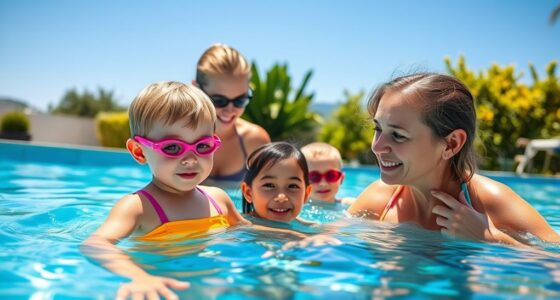
Having safe habits around the pool can prevent accidents and save lives. One of the most critical habits is constant child supervision. Never leave children unattended near the water, even for a moment. Drowning can happen quickly and quietly, so staying within arm’s reach of young kids is essential. Keep in mind that distractions, like answering a phone or chatting with friends, can be dangerous. Always designate a responsible adult to watch children, and avoid multi-tasking when kids are swimming. Remember, even older children who know how to swim still need supervision, as accidents can happen unexpectedly.
Constant supervision saves lives—never leave children unattended near the pool, even briefly.
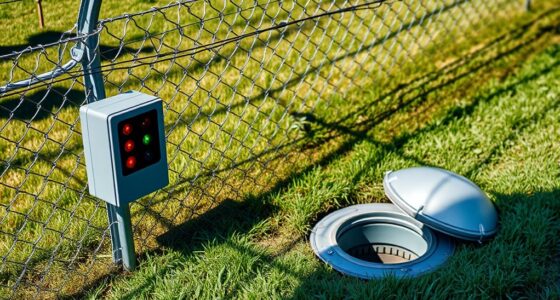
Along with vigilant supervision, having the right safety equipment is essential. Ensure your pool is equipped with safety devices such as life vests, floatation devices, and rescue hooks. Life vests should be properly fitted and always worn by non-swimmers or weak swimmers. Pool alarms can alert you if someone enters the water unexpectedly, adding an extra layer of security. A sturdy, self-latching gate around the pool is another key safety feature that prevents unsupervised access, especially for curious children. Always check that safety equipment is in good condition, accessible, and used correctly. Regularly inspect your safety gear to confirm it remains functional and reliable. Proper safety gear maintenance is crucial to ensure all devices work effectively when needed.
Creating a safe environment also involves establishing clear rules for everyone using the pool. Make sure kids understand that swimming is only allowed under adult supervision and that running or rough play is prohibited around the pool area. Educate children about pool safety and the importance of following these rules to prevent accidents. When hosting pool parties or gatherings, be extra vigilant. Assign a designated adult to oversee pool activities, and limit the number of people in the water at any one time to avoid overcrowding and related risks. Incorporating pool safety habits such as proper supervision and safety equipment significantly reduces risks.
Additionally, maintaining awareness of water safety protocols can help prevent unnecessary accidents and ensure everyone knows how to respond in an emergency. By integrating child supervision, safety equipment, and a safety-conscious environment, you considerably reduce the risk of accidents, making your pool a safer, more enjoyable place for everyone.
pool safety life vest for children
As an affiliate, we earn on qualifying purchases.
As an affiliate, we earn on qualifying purchases.
Frequently Asked Questions
How Often Should Pool Safety Equipment Be Inspected?
You should inspect your pool safety equipment weekly to guarantee it’s in proper working order. Regular pool maintenance includes checking safety signage, lifesaving devices, and alarms for damage or wear. Make sure safety equipment is easily accessible and clearly visible. Proper inspections help prevent accidents and ensure quick responses if needed. Staying vigilant with your pool safety habits guarantees a safer environment for everyone enjoying your pool.
Are Pool Safety Rules Different for Children and Adults?
Yes, pool safety rules differ for children and adults. You should enforce stricter supervision standards for children, ensuring an adult is always present when they’re in or near the water. Safety signage should be clear and visible, especially with rules tailored for kids, like no running or diving in shallow areas. For adults, rules focus on responsible behavior, like avoiding alcohol and adhering to posted guidelines. Always adapt rules to suit different age groups to prevent accidents.
What Is the Best Way to Teach Kids Pool Safety?
Stop pretending kids will magically learn pool safety on their own! You should prioritize constant child supervision and make safety education fun and simple. Use playful lessons to teach them about pool rules, and always stay within arm’s reach when they’re in or near the water. Reinforce safety habits regularly, turning pool time into a learning adventure so your kids stay safe and confident in the water.
How Can I Prevent Pool-Related Accidents During Parties?
You can prevent pool-related accidents during parties by ensuring there’s always a responsible adult supervising, ideally someone trained in lifeguard techniques. Set clear rules about no running or diving, and keep emergency preparedness supplies nearby. Encourage guests to stay within their swimming abilities, and consider having a designated safety monitor. Prioritize safety over fun, and make sure everyone knows how to respond quickly if an emergency arises.
What Are the Legal Requirements for Pool Safety in My Area?
You need to follow your area’s pool safety standards, which often include fencing, safety covers, and alarms to prevent unauthorized access. Check local regulations for specific requirements, as they vary. Ignoring these standards could increase your liability considerations if an incident occurs. By complying, you protect guests and yourself legally, ensuring your pool is safe and within legal boundaries. Regularly review regulations to stay updated and maintain safety compliance.
As an affiliate, we earn on qualifying purchases.
Conclusion
By embracing these pool safety habits, you’re creating a peaceful oasis where everyone can enjoy the water without worry. Remember, a little caution goes a long way in preventing potential mishaps and ensuring a fun, worry-free experience. Think of it as tending to your personal sanctuary—your diligence keeps the waves of joy flowing smoothly. Keep safety in mind, and your pool days will always be filled with happy, memorable moments.
As an affiliate, we earn on qualifying purchases.
As an affiliate, we earn on qualifying purchases.
Fall Picks
fall essentials
As an affiliate, we earn on qualifying purchases.