Salt systems are popular because they make pool maintenance easier and create a gentler swimming environment by generating chlorine from salt. However, they’re not the best choice for everyone, especially if your pool is in a debris-prone area or has delicate surfaces vulnerable to salt damage. Proper chemical balance and regular monitoring are essential to keep the system running smoothly and prevent damage. To find out if a salt system fits your pool, explore the details ahead.
Key Takeaways
- Salt systems simplify maintenance and reduce chemical handling, making pool care more convenient for many homeowners.
- Proper chemical balance and regular testing are essential to prevent damage and ensure effective sanitation.
- Not suitable for pools with excessive debris, certain surfaces, or specific environmental conditions that may cause corrosion.
- Ongoing maintenance, like cleaning the salt cell and monitoring salt levels, is necessary for system longevity.
- Some users may prefer traditional chlorine methods due to environmental, technical, or aesthetic considerations.

Salt systems have become a popular choice for pool owners because they offer a more convenient and often less harsh alternative to traditional chlorine methods. When you choose a salt system, you’re opting for a method that simplifies pool maintenance and reduces the need for handling bulky chlorine supplies. Instead of constantly adding chemicals, the system generates chlorine from salt, which helps keep your pool clean and sanitized. This process can make your pool experience more enjoyable and less time-consuming, especially if you prefer a more hands-off approach.
Salt systems simplify pool maintenance, offering a gentler, more convenient way to keep your pool clean and sanitized.
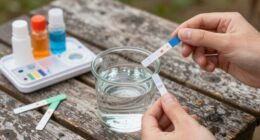
However, while salt systems can make pool maintenance easier, they still require careful attention to chemical balance. Maintaining proper pH, alkalinity, and stabilizer levels is vital for the system to work effectively and to prevent issues like scaling or corrosion. If the chemical balance gets out of whack, your salt generator might produce too much or too little chlorine, leading to cloudy water or bacteria growth. Regular testing with pool test kits becomes even more important with salt systems to maintain everything within the most suitable range.
Additionally, installing a salt system isn’t a one-and-done task. You’ll need to monitor and adjust your pool’s chemical levels during the swimming season and possibly during the off-season if you live in a climate where you winterize your pool. Salt levels should be checked periodically to make sure they stay within the recommended range, usually between 2,500 and 4,000 parts per million (ppm). Too much salt can damage pool equipment, while too little can hinder proper chlorine production. This ongoing maintenance can be straightforward, but it’s a vital part of keeping your pool in top shape. In addition, understanding the salt level range helps prevent damage and ensures optimal performance of your salt system. Regularly inspecting the salt cell for buildup or corrosion can also extend its lifespan and maintain efficiency.
It’s also helpful to be aware of how water chemistry impacts salt system performance to avoid costly repairs or replacements.
Keep in mind that salt systems aren’t suitable for every pool or every homeowner. If your pool has a lot of surrounding foliage or is located in an area prone to heavy debris, you’ll need to clean the salt cell frequently to prevent buildup that can impair performance. Also, some pool surfaces, like certain types of stone or plaster, may be more vulnerable to damage from salt. If you have a variable-speed pump or other specialized equipment, you might need to check compatibility before installing a salt system.
In the end, salt systems can provide a more comfortable swimming environment and reduce chemical handling, but they demand awareness of chemical balance and regular maintenance. Proper chemical management and consistent monitoring are essential to ensure your system’s longevity and effectiveness. If you’re willing to stay on top of those needs, you’ll likely find that a salt system makes pool ownership more enjoyable.

TAYLOR TECHNOLOGIES INC K-1766 DROP TEST CHLORIDE SALT WATER
Taylor Technologies K-1766 Salt Water Kit is for use with salt water chlorine generators
As an affiliate, we earn on qualifying purchases.
As an affiliate, we earn on qualifying purchases.
Frequently Asked Questions
How Much Do Salt Systems Typically Cost to Install?
You can expect to spend between $1,200 and $2,500 to install a salt system. The cost covers the salt generator, which typically lasts 5 to 7 years, and guarantees your pool’s chemical balance stays stable. Keep in mind, higher-end models may cost more, but they often offer longer lifespan and better efficiency. Proper installation helps maintain water quality and extends your salt generator’s lifespan.
Are Salt Systems Suitable for All Pool Sizes?
Salt systems are generally suitable for most pool sizes, but larger pools may face salt system installation challenges due to the need for bigger or multiple units, which can increase costs and complexity. Pool size limitations depend on the system’s capacity, so you should check manufacturer guidelines. For small pools, salt systems work efficiently, but for very large pools, you might need specialized equipment or alternative sanitizing methods.
What Is the Maintenance Frequency for Salt Systems?
You’ll need to check your salt generator and pool chemistry regularly, typically once a week, to keep your salt system working efficiently. This involves testing and balancing pH, alkalinity, and chlorine levels, and ensuring the salt level stays within the recommended range. As your pool usage varies, you might need to adjust maintenance frequency, but consistent upkeep helps prevent issues and prolongs your salt system’s lifespan.
Can Salt Systems Be Used With Existing Pool Equipment?
You can definitely use salt systems with your existing pool equipment, but it’s wise to check compatibility. Think about your pool’s aesthetics and how the salt concentration impacts water clarity and comfort. Salt systems integrate well, but make sure your equipment can handle the salt levels—too high or too low can affect performance. Proper maintenance and adjustments keep your pool looking great and functioning efficiently, making salt systems a seamless addition.
Are There Health Concerns Associated With Saltwater Pools?
Yes, there are health concerns with saltwater pools. You might experience health risks like skin irritation or eye discomfort from the saltwater, especially if you have sensitive skin or allergies. Allergy concerns are valid too, as some people react to the salt or other chemicals used in the pool. It’s best to test the water regularly and consult with a healthcare professional if you have existing health issues or allergies.

Intex Krystal Clear Saltwater Pool Chlorine System for Above Ground Pools up to 15,000 Gallons, Pool Cleaner with Automatic Timer and Self Cleaning
✔ UPGRADE TO A SALTWATER POOL – QS1200 saltwater system lets you enjoy the same process used for…
As an affiliate, we earn on qualifying purchases.
As an affiliate, we earn on qualifying purchases.
Conclusion
While salt systems are popular and often praised, they’re not the perfect fit for everyone. It’s easy to believe they’re the ultimate solution, but the truth is, they come with potential drawbacks that might outweigh the benefits for some. Trust your instincts and consider your unique needs before jumping in. Sometimes, what works for one person might not be right for you—so explore all options and make an informed choice that truly suits your lifestyle.

Pool Salt Tester | Floating Salinity Meter – Salt Test for Saltwater Pool, Digital Temperature Salinity Level Tester, YINMIK Pool Thermometer with Solar Rechargeable | IPX8 Waterproof
🏊♂️Floating Pool Thermometer and Salt Meter: YINMIK Pool Tester = Pool Thermometer + Pool Salt Meter. YINMIK Pool…
As an affiliate, we earn on qualifying purchases.
As an affiliate, we earn on qualifying purchases.
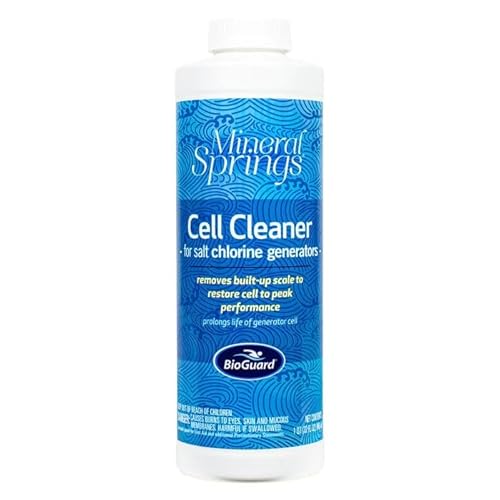
BioGuard Mineral Springs Cell Cleaner for Salt Chlorine Generators, 1 qt, Single, Removes Built-up Scale, Restores Cell to Peak Performance, Prolongs Life of Generator Cell
Highly Effective Formula: Mineral Springs Cell Cleaner is the solution to all your saltwater pool cell problems. With…
As an affiliate, we earn on qualifying purchases.
As an affiliate, we earn on qualifying purchases.