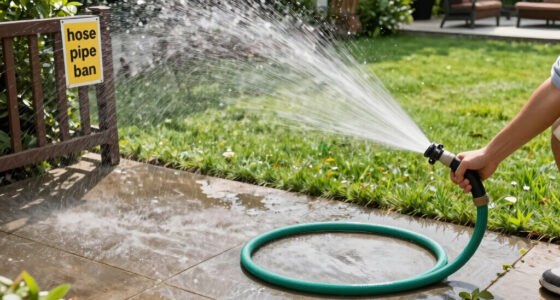

Reusing backwash from water treatment systems can be safe if it’s properly treated to remove contaminants and meet health standards. Backwash isn’t the same as greywater; it contains sediments and residues from treatment processes. To make it safe for reuse, it needs effective filtration and disinfection. Proper management can turn this waste into a valuable resource. Keep exploring to discover how treatment methods protect health and the environment.

Get pool and patio gear delivered free — and shop member deals
- Fast, free delivery on millions of items
- Access to Prime Big Deal Days deals on October 6–7
- Prime Video, Amazon Music and more included
Understanding Backwash and Its Role in Water Treatment
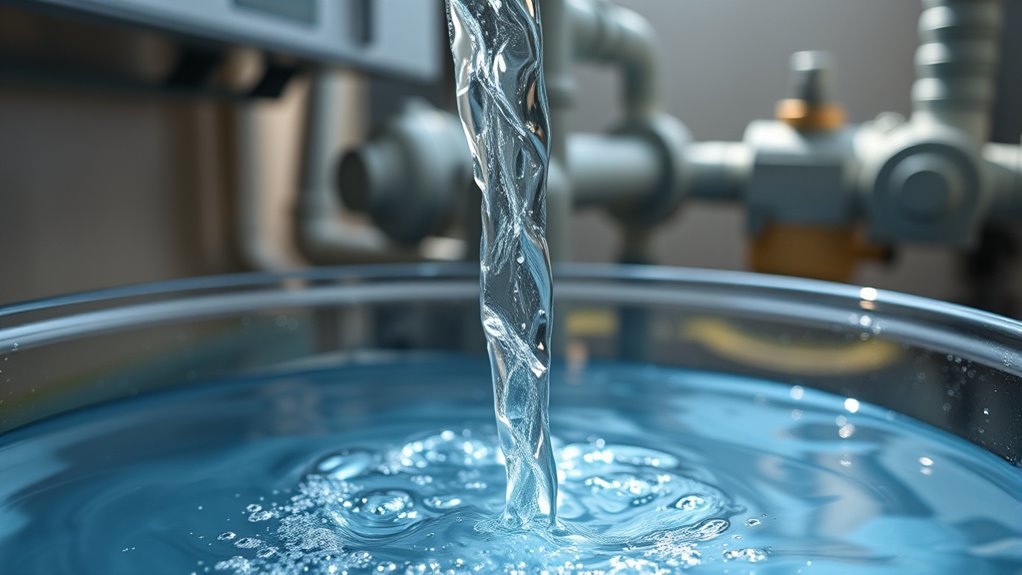
Backwash is a crucial process in water treatment systems that helps keep filters functioning effectively. When filters trap dirt, debris, and other contaminants, they gradually become clogged, reducing their efficiency. Backwashing reverses the flow of water through the filter, dislodging and flushing out accumulated particles. This process restores the filter’s capacity to remove impurities and maintains water flow rates. Regular backwashing prevents system failures and guarantees consistent water quality. During backwash, contaminated water is typically directed to a designated drain or treatment area, preventing the spread of pollutants. Understanding this process is fundamental because it highlights how water treatment systems operate to safeguard public health and maintain clean water supplies. Proper management of backwash cycles keeps your water treatment system efficient and reliable. Additionally, integrating lifecycle management practices ensures the longevity and sustainability of water treatment infrastructure.
water filter for greywater reuse
As an affiliate, we earn on qualifying purchases.
As an affiliate, we earn on qualifying purchases.
Differentiating Between Greywater and Backwash

While both greywater and backwash are types of wastewater generated during water treatment and household activities, they serve different purposes and have distinct characteristics. Greywater comes from sources like sinks, showers, and washing machines, containing organic matter but usually fewer contaminants. Backwash, on the other hand, is the water used to clean filters in water treatment systems, often carrying concentrated solids and chemicals from filtration media. To differentiate:
- Source: Greywater originates from household activities; backwash is from water system maintenance.
- Content: Greywater contains soaps, oils, and organic debris; backwash includes trapped solids and chemicals.
- Volume: Greywater is generated continuously; backwash occurs periodically during filter cleaning.
- Treatment Needs: Greywater may be reused after basic treatment; backwash requires specialized disposal due to contaminants.
As an affiliate, we earn on qualifying purchases.
Potential Risks Associated With Reusing Backwash
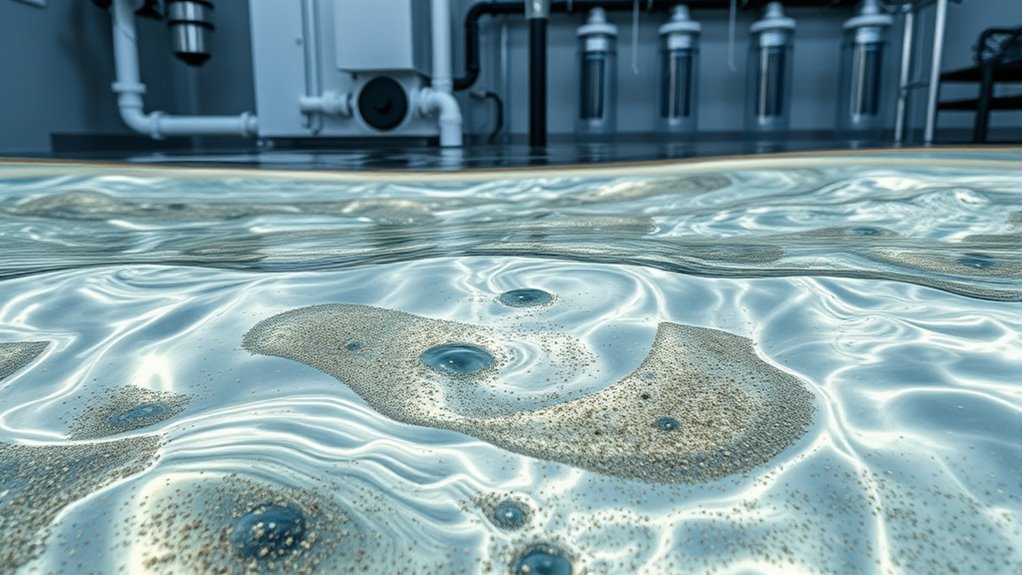
Reusing backwash can introduce contamination risks if harmful bacteria or debris are present. You also need to contemplate chemical residues that may linger, potentially causing health issues. Additionally, improper storage can lead to microbial growth, making the water unsafe for reuse. Implementing proper testing and filtration measures can help mitigate these health risks and ensure safer reuse practices.
Contamination Risks Present
Although reusing backwash can offer environmental and economic benefits, it also introduces significant contamination risks. You need to be aware of potential hazards that can compromise water safety.
- Bacterial and viral presence from untreated sources can cause health issues if ingested or contacted.
- Organic matter may promote bacterial growth, leading to foul odors and further contamination.
- Sediments and debris in backwash can harbor pathogens if not properly filtered out.
- Biofilms can develop on pipes and storage tanks, acting as reservoirs for harmful microorganisms.
- Implementing adaptive treatment technologies can help mitigate these risks by effectively removing contaminants before reuse.
These risks emphasize the importance of thorough treatment and regular monitoring before considering backwash reuse. Without proper precautions, the contaminated water can pose serious health threats to users and the environment.
Chemical Residue Concerns
Are chemical residues in backwash water a hidden threat to safety and equipment? Yes, they can pose significant risks if not properly managed. Backwash often contains traces of cleaning agents, disinfectants, or treatment chemicals used in filtration systems. These chemicals can accumulate over time, leading to corrosion of pipes and equipment, or contaminating reused water with unwanted substances. If you reuse backwash without proper testing and treatment, you might introduce harmful residues into your greywater system, affecting plant health or causing skin irritations. It’s crucial to analyze the chemical profile of your backwash water regularly. Implementing appropriate filtration, neutralization, or dilution steps can reduce chemical residue levels, ensuring the reused water remains safe and minimizing potential damage to your system.
Microbial Growth Potential
Chemical residues in backwash water can create an environment conducive to microbial growth if not properly managed. If left unchecked, bacteria, viruses, and other pathogens can proliferate, posing health risks. To minimize these risks, consider the following:
- Regularly monitor water quality to detect microbial presence early.
- Implement disinfection steps, such as chlorination or UV treatment.
- Avoid storing backwash water for long periods to prevent microbial buildup.
- Maintain proper system hygiene and clean filters frequently.
Additionally, understanding microbial growth potential and how it relates to water chemistry can help in designing effective management strategies.
Failure to address microbial growth potential can lead to contamination of greywater reuse systems, risking human health and environmental safety. Proper management ensures backwash water remains safe for reuse and reduces the chance of harmful pathogens multiplying.
greywater filtration and disinfection kit
As an affiliate, we earn on qualifying purchases.
As an affiliate, we earn on qualifying purchases.
Safety Standards and Regulations Governing Backwash Reuse
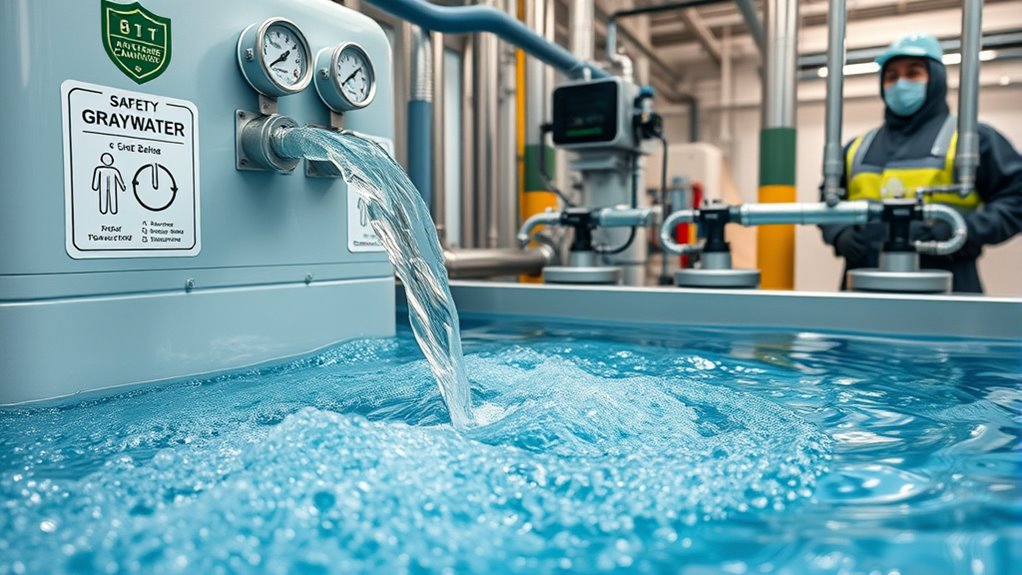
Ensuring the safety of backwash water reuse requires strict adherence to established standards and regulations. You need to understand local, national, and international guidelines that set clear limits on contaminants, pathogens, and chemical levels. Regulatory bodies like the EPA or local health agencies often require regular testing and reporting to guarantee compliance. You must also follow specific protocols for storage, handling, and disposal to prevent contamination. Permits and certifications are typically necessary before reuse practices begin. Staying informed about updates to these regulations helps you avoid violations and potential health risks. Proper documentation and record-keeping are vital for demonstrating compliance during inspections. Additionally, understanding AI-powered monitoring technologies can help ensure continuous compliance and early detection of potential issues. Proper documentation and record-keeping are vital for demonstrating compliance during inspections. Ultimately, following these standards protects public health and guarantees the sustainable reuse of backwash water.
industrial backwash water disposal equipment
As an affiliate, we earn on qualifying purchases.
As an affiliate, we earn on qualifying purchases.
Treatment Methods to Make Backwash Safe for Reuse
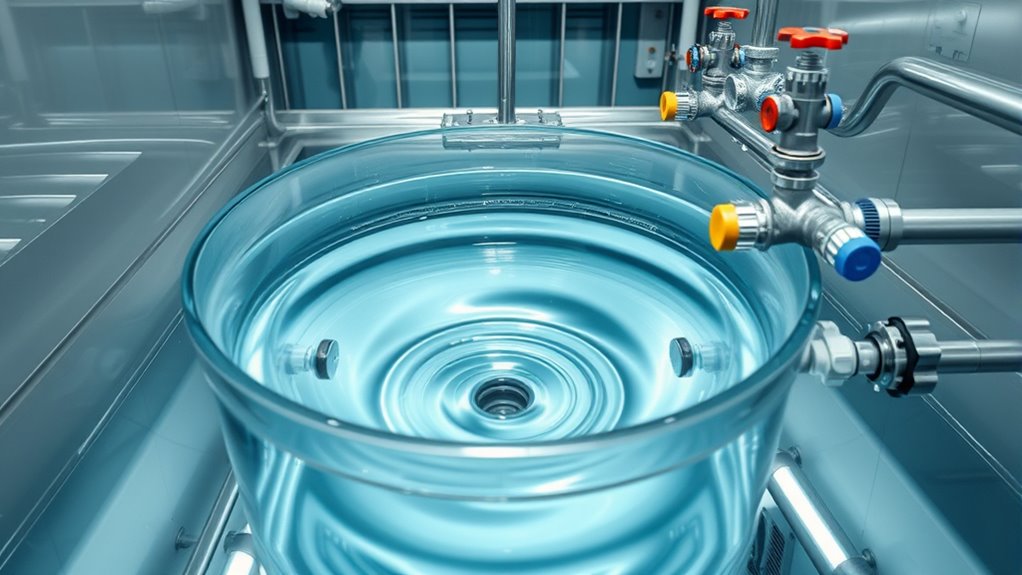
To guarantee backwash water is safe for reuse, you need effective filtration technologies that remove contaminants. Disinfection and sanitization methods further eliminate pathogens, making the water suitable for reuse. Understanding these treatment approaches helps you implement reliable safety measures for greywater systems. Incorporating advanced filtration methods, such as HEPA or activated carbon filters, can significantly enhance the removal of airborne and waterborne pollutants from backwash water.
Filtration Technologies for Safety
Filtration technologies play a crucial role in making backwash water safe for reuse by removing contaminants and pathogens. These systems guarantee water quality meets safety standards, preventing health risks. First, sand filters trap larger particles and settle out sediments effectively. Second, carbon filters absorb organic compounds, odors, and chemicals, improving water clarity and safety. Third, microfiltration membranes remove bacteria and protozoa, providing a higher level of purification. Fourth, ultrafiltration uses fine membranes to eliminate viruses and small pathogens, ensuring thorough safety. By combining these filtration methods, you can considerably reduce contaminants, making backwash water suitable for reuse in irrigation or other non-potable applications. Proper filtration not only protects health but also boosts confidence in water reuse practices.
Disinfection and Sanitization Methods
Disinfection and sanitization methods are essential for making backwash water safe for reuse, as they directly kill or inactivate remaining pathogens that filtration alone may not eliminate. You can use chemical disinfectants like chlorine or chloramine, which are effective and widely available, but require proper dosing and contact time. UV irradiation is another option, using ultraviolet light to inactivate bacteria and viruses without chemicals. Ozone treatment provides powerful oxidation, destroying organic contaminants and pathogens quickly. Each method has advantages and limitations, so you may choose based on water quality, system design, and safety considerations. Combining methods, such as filtration followed by UV or chemical disinfection, can guarantee a higher level of safety, making backwash water suitable for reuse in non-potable applications. Additionally, understanding the AI Security implications of water treatment systems can help identify vulnerabilities and ensure the integrity of the disinfection process.
Environmental Benefits of Reusing Backwash

Have you ever considered how reusing backwash water can positively impact the environment? By repurposing this water, you reduce the demand for fresh water, conserving essential resources. This decreases the strain on local water supplies and helps preserve ecosystems. Additionally, reusing backwash minimizes wastewater discharge, lowering pollution levels in rivers and lakes. It also reduces energy consumption since less treatment and transportation are needed for new water sources. Finally, reusing backwash decreases the need for chemical treatments, leading to less chemical runoff that can harm wildlife. Embracing sustainable practices like backwash reuse supports sustainability, conserves natural resources, and reduces environmental pollution. Making this simple change can greatly benefit your local environment and contribute to global water conservation efforts.
Practical Applications and Best Practices for Reuse
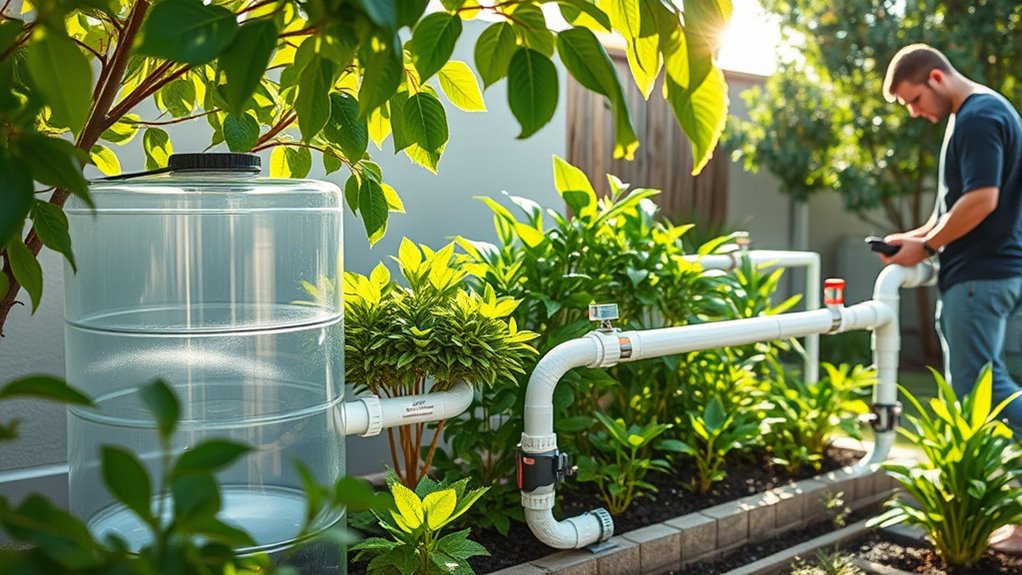
Implementing practical applications for water reuse requires understanding effective strategies and adhering to best practices to guarantee safety and efficiency. First, always ensure your greywater is properly filtered to remove solids and contaminants before reuse. Use dedicated plumbing systems to prevent cross-contamination with potable water. For irrigation, avoid watering edible crops directly and apply greywater to non-food plants or landscape areas. Regularly maintain and inspect systems to prevent buildup and bacterial growth. Incorporate natural treatment methods like reed beds or sand filters when possible. Be aware of local regulations and guidelines to stay compliant. Educate yourself on the specific types of greywater suitable for reuse and their limitations. Following these practices ensures safe, sustainable reuse that benefits your environment and conserves water resources.
Future Perspectives on Sustainable Water Management
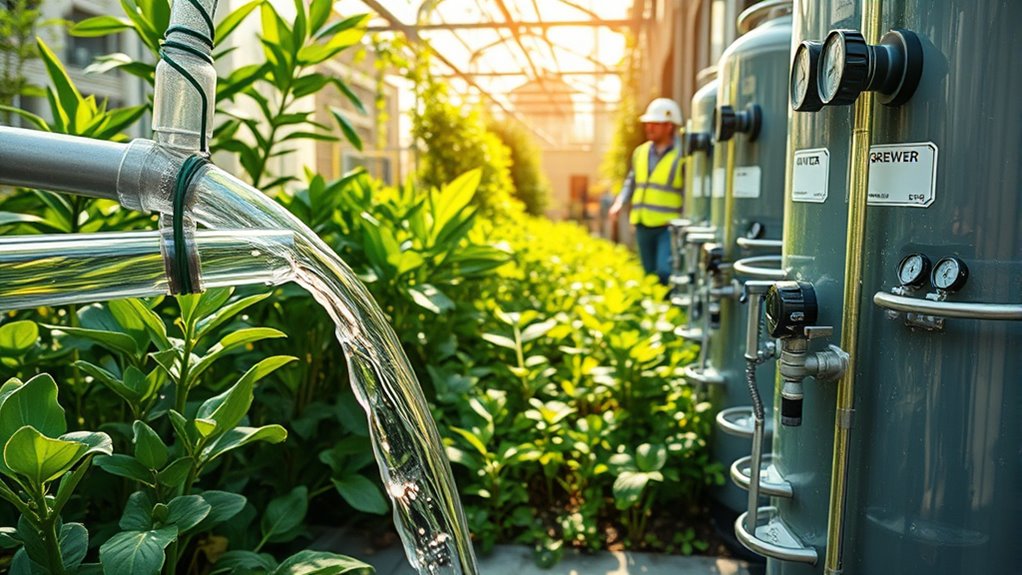
As global water challenges intensify, innovative and sustainable management approaches will become essential for ensuring long-term water security. You’ll need to embrace new technologies and policies that promote efficiency and conservation. Future strategies might include:
- Implementing advanced water recycling systems integrated with smart monitoring.
- Promoting decentralized water treatment to reduce dependency on centralized infrastructure.
- Encouraging policies that incentivize greywater reuse and conservation practices.
- Investing in research for safer, more efficient water reuse methods, including backwash repurposing.
- Incorporating water management strategies that prioritize sustainability and resource optimization.
Frequently Asked Questions
Can Backwash Reuse Impact Local Groundwater Quality?
Yes, reusing backwash can impact your local groundwater quality if not managed properly. Contaminants like chemicals, bacteria, or debris from the backwash might seep into the soil and reach groundwater sources, risking pollution. To prevent this, you should guarantee proper treatment and disposal systems are in place. Regular testing and adherence to environmental regulations help protect your groundwater while benefiting from water reuse practices.
Are There Specific Industries That Generate Safer Backwash for Reuse?
Like a gentle stream flowing through a peaceful valley, some industries produce cleaner backwash for reuse. Typically, industries such as electronics manufacturing, food processing, and pharmaceutical production generate less contaminated backwash due to strict regulations and controlled processes. By focusing on these sectors, you can reuse backwash more safely, reducing waste and conserving resources. Always guarantee proper testing and treatment to maintain safety and protect your environment.
How Does Climate Influence the Feasibility of Backwash Reuse?
Climate greatly impacts backwash reuse feasibility. In warmer regions, higher evaporation rates reduce water volume, making reuse more practical and sustainable. Conversely, colder climates may cause backwash to freeze or contain more impurities, complicating reuse efforts. You should consider local temperature, humidity, and seasonal variations, as these factors influence water quality and system efficiency. Adapting your approach to your climate guarantees safer, more effective backwash recycling practices.
What Are Potential Health Risks From Improperly Treated Backwash?
If you improperly treat backwash, you risk exposing yourself and others to pathogens, bacteria, and viruses that can cause illness. Contaminants like chemicals or organic matter might also lead to skin irritations or infections if not adequately removed. Always guarantee thorough treatment, including disinfection, before repurposing backwash water. Failing to do so can compromise health, especially if the water is used for irrigation or other applications involving contact.
Is Backwash Reuse Cost-Effective Compared to Traditional Water Treatment?
Backwash reuse is often more cost-effective than traditional water treatment because it reduces the need for fresh water intake and minimizes wastewater discharge. You save on water bills and lower environmental impact. However, guarantee proper treatment to prevent health risks. If implemented correctly, it offers a sustainable, economical solution that can improve your water management system while cutting costs and conserving resources effectively.
Conclusion
Reusing backwash is like turning yesterday’s spill into today’s resource, offering a promising path toward sustainable water management. By understanding the risks and applying proper treatment methods, you can safely repurpose this often-overlooked water. Embracing this practice not only conserves resources but also helps protect the environment. With careful attention and adherence to safety standards, you can transform waste into a valuable asset—making every drop count in your water conservation journey.
Fall Picks
fall essentials
As an affiliate, we earn on qualifying purchases.