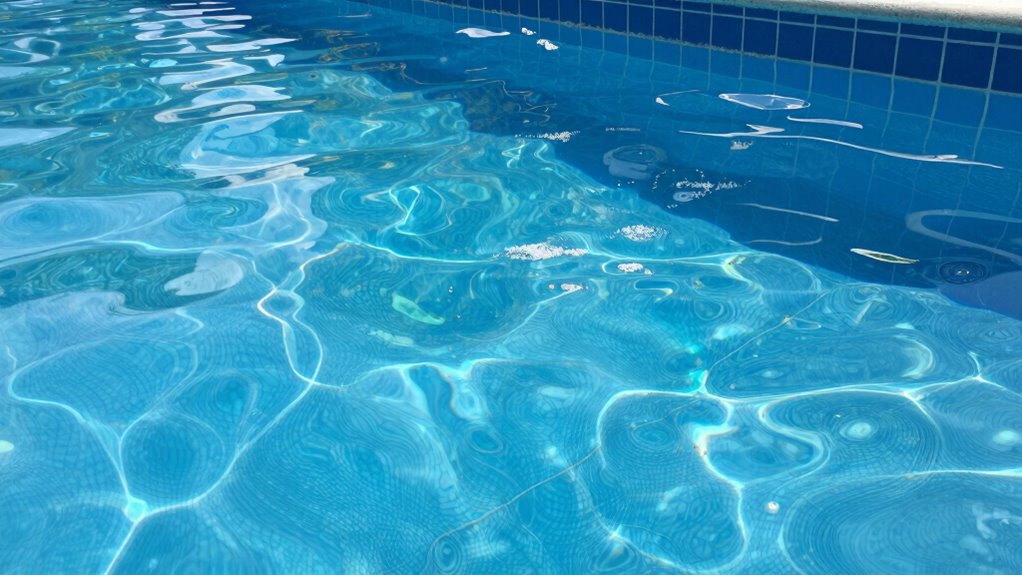

Understanding calcium hardness early helps you prevent costly damage to your pool’s surfaces, equipment, and plumbing. By keeping calcium levels balanced, you avoid issues like corrosion or scale buildup that can damage your pool over time. Proper management makes it easier to maintain clear, inviting water and ensures your pool stays in good condition. Staying proactive about calcium hardness means fewer repairs and better overall water quality—if you want to discover how to keep everything in check, continue.

Get pool and patio gear delivered free with Prime
- Fast, free delivery on millions of items
- Prime Video, Amazon Music and more included
- Member-only deals all year
Key Takeaways
- Early understanding prevents damage to pool surfaces, equipment, and plumbing caused by improper calcium levels.
- Maintaining optimal calcium hardness ensures water clarity and reduces scaling or corrosive issues.
- Regular monitoring helps detect imbalances early, avoiding costly repairs and long-term pool damage.
- Proper calcium management simplifies overall water chemistry balancing and enhances sanitizer effectiveness.
- Proactive calcium control promotes a safer, clearer, and more inviting swimming environment.
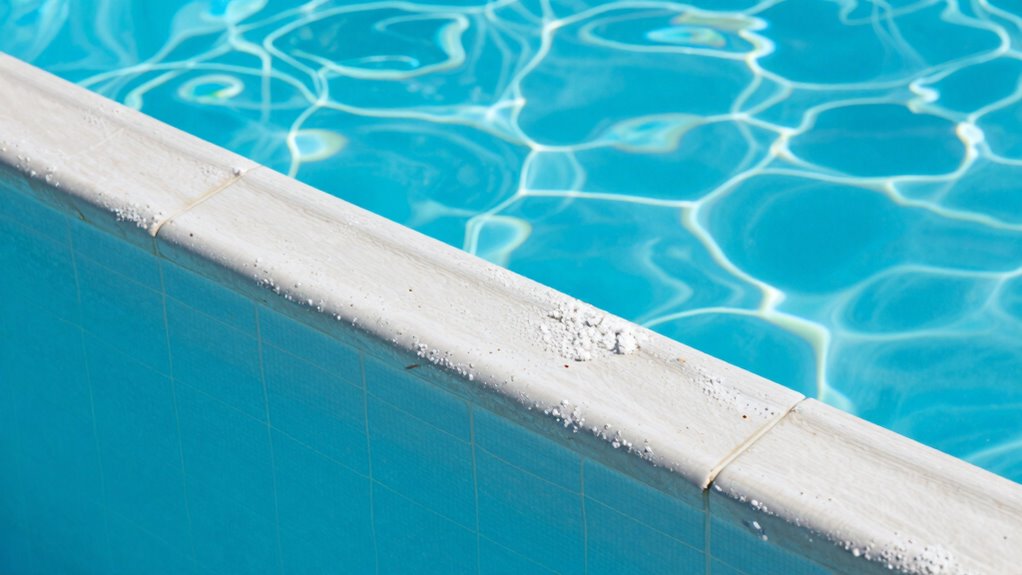
Maintaining proper calcium hardness levels in your pool is crucial for preventing damage and guaranteeing clear, balanced water. When calcium levels are too low, your pool water becomes corrosive, which can harm your pool’s surfaces, equipment, and plumbing. Conversely, if calcium levels are too high, it leads to calcium buildup, which causes cloudy water and scale formation. Being aware of calcium hardness helps you avoid these costly problems and keeps your pool in prime condition.
Proper calcium hardness prevents damage, keeps water clear, and maintains your pool’s optimal condition.
Understanding calcium hardness early helps you manage water chemistry effectively. A common issue pool owners face is chemical imbalance, which can manifest in various ways, including water that feels slimy or has a strange taste. Calcium hardness plays a key role here because it influences how other chemicals behave in your water. If calcium levels are off, it becomes challenging to maintain proper pH levels, alkalinity, and sanitizer effectiveness. This imbalance can cause your water to turn cloudy or develop scaling, making it difficult to see clearly through the water. Good water visibility isn’t just about aesthetics; it’s also essential for safe swimming conditions and proper chemical testing.
When calcium hardness is within the right range, your water remains clear, and chemical adjustments are easier to manage. You’ll notice your water looks inviting, and testing results will be more consistent. If calcium levels are too high, it often leads to scale deposits on the walls and equipment, which can reduce filtration efficiency and cause long-term damage. On the other hand, low calcium levels might cause your pool surfaces and equipment to corrode, especially if the water is overly acidic. Recognizing these signs early enables you to take corrective actions before more serious problems develop. Regularly testing water chemistry helps you stay ahead of potential issues and maintain optimal calcium levels.
Monitoring calcium hardness is straightforward, and doing so regularly gives you peace of mind. Using test kits designed for pool water, you can quickly determine whether your calcium levels fall within the recommended range—typically between 200 and 400 parts per million (ppm). Once you know your levels, adjusting calcium hardness is simple: adding calcium chloride raises levels, while dilution or water replacement can lower them if they’re too high. Staying proactive ensures your pool water remains balanced, safe, and visually appealing.
As an affiliate, we earn on qualifying purchases.
Frequently Asked Questions
How Often Should Calcium Hardness Levels Be Tested?
You should test your calcium hardness levels at least once a month to prevent issues like water pH imbalance and mineral buildup. Regular testing helps you maintain proper calcium levels, avoiding cloudy water, scaling, or corrosion. If you notice changes in water color or feel mineral deposits, test more frequently. Monitoring calcium hardness ensures your pool stays clean, balanced, and safe for swimming all season long.
Can High Calcium Levels Cause Health Issues?
High calcium levels can lead to calcium buildup and water scaling in your pool, but they typically don’t cause direct health issues. However, the buildup can make the water uncomfortable, cause cloudy water, and damage your pool equipment over time. By keeping calcium hardness balanced, you prevent water scaling, maintain clear water, and protect your pool’s longevity, ensuring a safe and enjoyable swimming experience.
What Are the Signs of Low Calcium Hardness?
When calcium hardness is low, signs like water corrosion and calcium scaling become evident. You might notice your pool’s walls feel rough or etching appears on the surface. Water may become cloudy or the equipment could corrode faster. Think of it as a sign that your water’s balance is out of whack, and addressing low calcium hardness early helps prevent costly repairs and keeps your pool sparkling and safe.
Does Calcium Hardness Affect Pool Equipment Longevity?
Yes, calcium hardness greatly affects your pool equipment’s longevity. When calcium levels are too high, it causes scale buildup on the pool surface and inside equipment, leading to reduced water clarity and potential damage. Conversely, low calcium hardness can corrode equipment and surfaces. Maintaining ideal calcium levels helps prevent these issues, ensuring your pool remains clear, smooth, and equipment functions efficiently for years to come.
How Do I Adjust Calcium Hardness in My Pool?
You can adjust calcium hardness by adding calcium chloride to raise it or using a water softener to lower it. Keep an eye on calcium scaling, which can clog filters and affect water filtration. Regular testing helps you stay ahead of issues. Remember, it’s better to address problems early than deal with costly repairs later. Proper balance ensures your pool stays clear and equipment lasts longer.
As an affiliate, we earn on qualifying purchases.
Conclusion
Understanding calcium hardness isn’t just about avoiding cloudy water or scale buildup; it’s about preserving your pool’s longevity. Think of it like caring for a prized plant—neglect leads to damage, but proper attention keeps it thriving. So, don’t wait until your pool shows signs of trouble. Stay proactive, monitor your calcium levels, and enjoy crystal-clear water all season long, just like tending a well-loved garden that blooms beautifully with a little care.
pool water chemistry test strips
As an affiliate, we earn on qualifying purchases.
As an affiliate, we earn on qualifying purchases.
As an affiliate, we earn on qualifying purchases.
Fall Picks
fall essentials
As an affiliate, we earn on qualifying purchases.