TL;DR

Get pool and patio gear delivered free with Prime
- Fast, free delivery on millions of items
- Prime Video, Amazon Music and more included
- Member-only deals all year
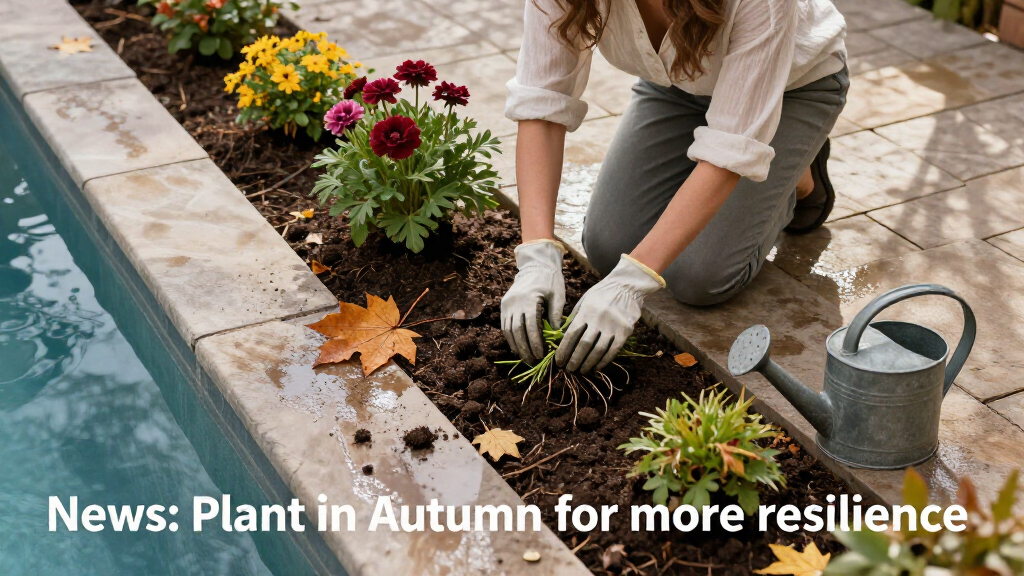
The RHS advises gardeners to plant trees, shrubs and herbaceous perennials in autumn so they can establish through cooler, wetter months before summer heat. British Garden Centres has also published a guide to plants suited to hot conditions, though performance depends on local conditions and establishment.
The Royal Horticultural Society is advising gardeners to plant more trees, shrubs and herbaceous perennials in autumn, allowing them time to develop roots before the next summer. The advice follows a summer described in the report as unusually hot and dry, and comes alongside a British Garden Centres guide to plants that can tolerate hot weather.
RHS Principal Horticultural Advisor Leigh Hunt said autumn planting gives plants the autumn, winter and spring to establish before hotter conditions arrive. The RHS points to warm, moist soil as a condition that can support root growth, while cooler weather can reduce stress on newly planted specimens. Lower weed and pest pressure may also leave plants with less competition as they settle in.
British Garden Centres has highlighted a selection of plants it says are suited to hot weather, including sedums, Verbena bonariensis, asters, chrysanthemums, sea hollies and ornamental grasses. Its Head of Plants, Julian Palphramand, described the varieties as generally tough and forgiving once established. The list is guidance rather than a guarantee: suitability and performance can vary with soil, exposure, local climate and care.
The advice focuses on planting ahead of summer, rather than waiting until a heatwave to replace stressed plants. Autumn and winter can provide a longer establishment period, but newly planted greenery still needs appropriate care. The report does not specify a single planting date or watering schedule, and gardeners should adapt decisions to local weather and growing conditions.
Time to Establish Before Summer
Planting in autumn may give roots more time to grow before plants face high temperatures and dry spells. That timing can matter because a plant that has not established may be more vulnerable to stress than one with a stronger root system. The RHS presents the season as an opportunity to prepare gardens for summer conditions, not as a way to prevent the effects of drought.
The guidance also links planting choices with water use. Hunt said autumn planting can help gardeners use water more wisely, in part by allowing plants to establish during cooler months rather than relying on intensive care in summer. The actual water savings will depend on rainfall, soil and the plants selected; the source provides no quantified estimate.
For readers planning garden changes, the message is practical: consider both when to plant and what to plant. Heat-tolerant choices may be useful, but “resilient” does not mean maintenance-free or equally suited to every garden. Local growing advice and the needs of each plant remain relevant.
autumn planting trees shrubs perennials
As an affiliate, we earn on qualifying purchases.
As an affiliate, we earn on qualifying purchases.
Advice Following a Hot, Dry Summer
The Amateur Gardening report links the guidance to a summer of high temperatures and dry conditions, which has led horticultural experts to offer recommendations for future extreme weather. It presents two related approaches: planting trees, shrubs and perennials early enough to establish, and choosing varieties described by British Garden Centres as better able to tolerate hot weather.
The RHS advice is about timing, while the garden-centre guide is about plant selection. The report does not name a particular region, provide a full planting calendar, or compare the listed plants’ performance in trials. It also does not establish that autumn planting alone will protect gardens from future heat or drought.
“If we want gardens to survive longer, hotter dry spells, we need to make autumn planting part of the new gardening calendar.”
— Leigh Hunt, Principal Horticultural Advisor at the RHS
As an affiliate, we earn on qualifying purchases.
Limits of the Planting Advice
The report does not define how much hotter or drier future summers may be, identify specific locations where the advice applies, or give evidence comparing autumn planting with other seasons. It is also unclear whether the recommended plants will perform equally well across different soil types and garden exposures.
The RHS’s guidance is framed as improving plants’ chances, not guaranteeing survival. The source gives no precise watering instructions, planting cut-off date, or measured estimate of reduced water use. Gardeners should treat the plant list as a starting point and check the needs of individual species against local conditions.
As an affiliate, we earn on qualifying purchases.
Planning for the Coming Planting Season
Gardeners considering new trees, shrubs or perennials can use autumn as a window to plant and allow establishment through winter and spring, following care instructions suited to each plant and location. Those choosing from the heat-tolerant list can check whether the varieties suit their soil, light and available space before buying.
The report sets out no later RHS milestone or new research release. The next practical test will be how plants establish over the cooler months and respond when warmer, drier weather returns. The RHS and British Garden Centres advice may inform those choices, but conditions and results will vary between gardens.
As an affiliate, we earn on qualifying purchases.
Key Questions
Why is the RHS recommending autumn planting?
The RHS says autumn planting gives trees, shrubs and herbaceous perennials time to establish through autumn, winter and spring before summer heat. It cites warm, moist soil and cooler weather as potentially supportive conditions for root growth.
Which plants did British Garden Centres highlight for hot weather?
The guide named sedums, Verbena bonariensis, asters, chrysanthemums, sea hollies and ornamental grasses. Their suitability will depend on local growing conditions and care.
Does autumn planting guarantee that plants will survive drought?
No. The RHS says autumn planting gives certain plants a better chance; the report does not claim that it guarantees survival during heat or drought.
When should gardeners plant?
The advice is to use autumn so plants have time to establish before summer. The report does not specify an exact date, so gardeners should check local conditions and guidance for the individual plant.
Source: rss
Halloween Picks
halloween
As an affiliate, we earn on qualifying purchases.