TL;DR

Get pool and patio gear delivered free with Prime
- Fast, free delivery on millions of items
- Prime Video, Amazon Music and more included
- Member-only deals all year
Homes & Gardens has published a checklist of quick garden tasks for people preparing for strong winds and heavy rain. It recommends moving or securing loose items, shutting garden buildings and supporting vulnerable plants; these steps may reduce hazards, but the article does not promise to prevent storm damage.
Homes & Gardens has published a storm-preparation checklist focused on quick jobs gardeners can do when there is limited warning of severe weather. The advice centers on reducing the chance that loose objects become hazards, securing greenhouses and sheds, and supporting plants vulnerable to strong winds.
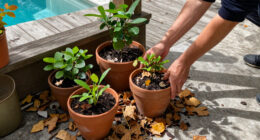
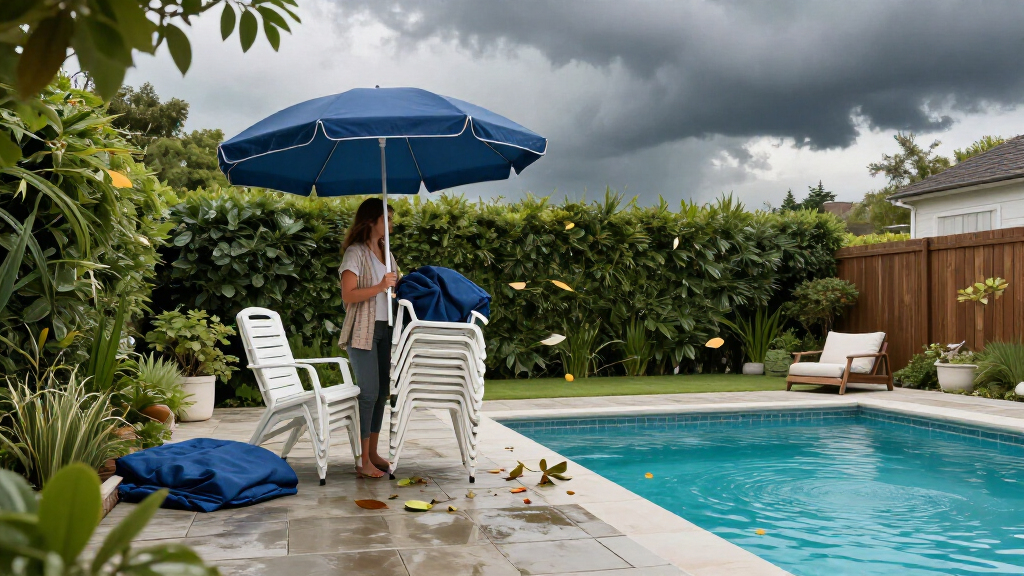
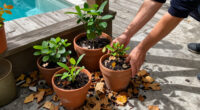
The report recommends first scanning the garden for objects that could be lifted or knocked over. It says small pots and hanging baskets can be brought inside, while larger containers can be grouped beside a wall for shelter. Ornaments, cushions, rugs, tools, parasols, toys and lightweight furniture should be stored in a shed, garage, home or suitable storage box.
For furniture that cannot be put away, the article advises attaching heavier pieces to a secure point with strong rope where possible. It also recommends taking down outdoor lighting. These measures are intended to limit the risk of objects being blown around and damaging property or injuring people; the source does not quantify how much risk they reduce.
Gardeners are also advised to close and secure greenhouse doors and windows, check panes for looseness, and lock shed doors. If a shed has no lock, the report suggests bracing its door shut with bricks or timber and checking that windows are closed and loose roofing felt is secured. Tall plants in beds can be supported with stakes and soft ties, spaced along the stem to provide support while allowing some movement.
Reducing Windblown Garden Hazards
Garden furniture, pots and other unsecured items can become hazards when winds pick up. The checklist matters because it gives readers practical actions to take when there is little time to prepare, with an emphasis on objects that may strike people, buildings or fences. Securing buildings and greenhouse panes also addresses risks from doors or materials being lifted by gusts.
The guidance is precautionary, not a guarantee against damage. Storm conditions vary, and quick household tasks cannot substitute for local emergency instructions or professional help with structural problems and dangerous trees. Readers should prioritize their safety and avoid going outside when conditions make it unsafe.
heavy duty outdoor furniture tie down straps with ground anchors
As an affiliate, we earn on qualifying purchases.
As an affiliate, we earn on qualifying purchases.
Four Tasks in the Checklist
The Homes & Gardens report organizes its recommendations around four areas: moving pots, securing loose items, shutting greenhouses and sheds, and staking tall plants. It notes that lightweight plastic pots and taller planters may be especially liable to move or topple, while hanging baskets should be taken down and placed on the ground.
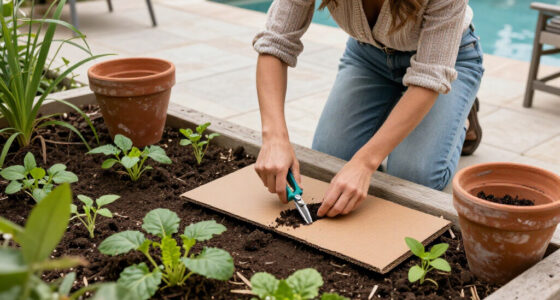
For plants that cannot be moved, the report suggests bamboo canes, wooden stakes or metal poles. Soft, flexible ties can attach individual stems or support several stems together. It also says property owners can inspect trees ahead of winter for broken branches or other concerns, particularly where trees overhang homes, driveways or walkways. That longer-term inspection is separate from the immediate five-minute tasks.
“The best way to prepare your yard for a storm is securing anything loose that can blow around, keeping buildings safe, and protecting any vulnerable plants.”
— Homes & Gardens report
waterproof outdoor storage box for garden cushions and tools
As an affiliate, we earn on qualifying purchases.
As an affiliate, we earn on qualifying purchases.
Limits of the Storm Advice
The supplied report does not name a particular storm, location, forecast, or publication date, so the checklist is general advice rather than a response to a specified weather event. It also provides no measurements showing how effective each task is or how long all the jobs take; the five-minute framing should not be read as a verified total completion time.
What is safe or practical will depend on local conditions and the condition of a garden structure. The report does not provide engineering guidance for damaged sheds, greenhouses or trees. People should not attempt repairs or move heavy objects in dangerous winds, and should follow instructions from local weather and emergency authorities.
greenhouse door and window storm latches
As an affiliate, we earn on qualifying purchases.
As an affiliate, we earn on qualifying purchases.
Check Forecasts and Secure Early
The report gives no scheduled follow-up or further update. For readers preparing for a storm, the next step is to check local forecasts and official alerts, then carry out safe tasks before winds and rain arrive: bring in small items, secure or store furniture, close garden buildings and support vulnerable plants.
Any tree limbs, loose glazing or structural damage that cannot be handled safely should be left to qualified professionals. Conditions can change quickly, so readers should stop outdoor work if authorities advise sheltering or if the weather becomes hazardous.
garden plant support stakes and soft reusable plant ties
As an affiliate, we earn on qualifying purchases.
As an affiliate, we earn on qualifying purchases.
Key Questions
What should I secure first before a storm?
Start with loose items that could blow away, including cushions, toys, tools, ornaments and lightweight furniture. Store them indoors or in a secure shed or storage box where possible.
How should I protect pots and hanging baskets?
Move smaller pots indoors and take hanging baskets down, placing them on the ground. Group larger pots beside a wall for shelter if they cannot be moved inside.
How can I reduce the chance of greenhouse or shed damage?
Close and secure greenhouse doors and windows, check for loose panes, and shut shed doors and windows. The report suggests bracing an unlocked shed door with bricks or timber, but avoid repairs if conditions are unsafe.
Can these quick jobs prevent all storm damage?
No. The report presents them as precautions that may reduce hazards and damage risk, not as a guarantee. Follow local weather alerts and do not work outside in dangerous conditions.
Source: rss
Halloween Picks
halloween
As an affiliate, we earn on qualifying purchases.