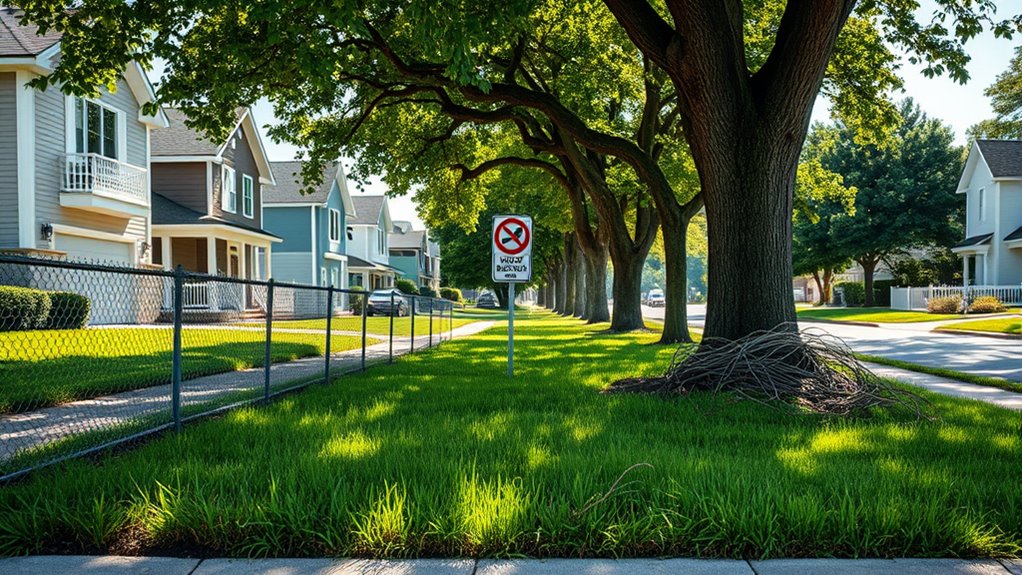

Understanding setbacks and easements is key to knowing where you can’t build on your property. Setbacks are distances from property lines that restrict construction, often for safety or privacy, while easements give others the right to use part of your land, limiting development there. Utility and access easements can also create no-build zones. To avoid surprises, check local regulations and verify restrictions—keep exploring to learn how these rules fit into your property plans.
Understanding Property Boundaries and Legal Limits
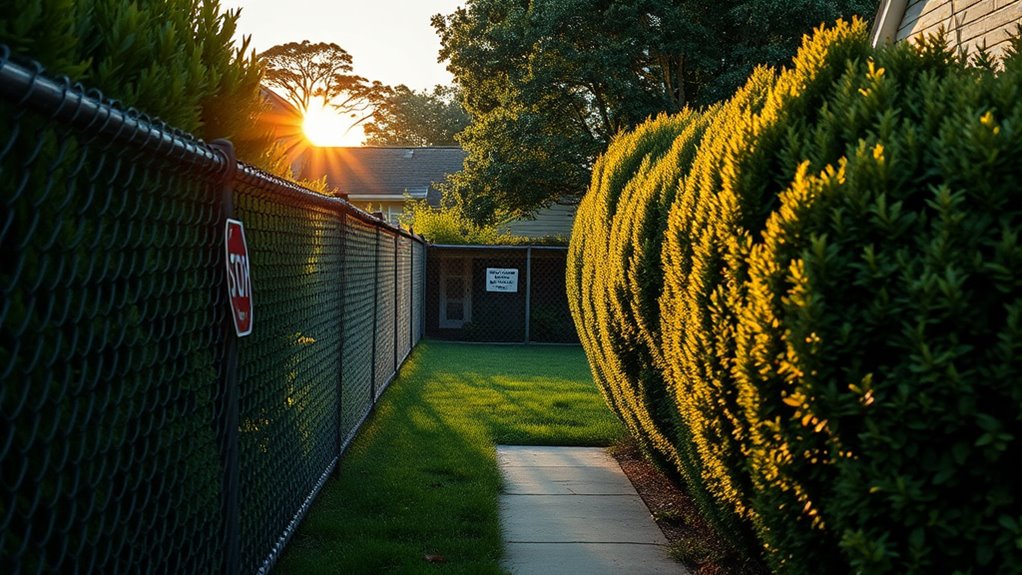
Understanding property boundaries and legal limits is essential to avoid potential disputes and make certain your rights are protected. You need to know where your property ends and your neighbor’s begins to prevent encroachment issues. Check your property deed, surveys, or plats, which clearly define boundaries. Keep in mind that legal limits include setback requirements, easements, and zoning restrictions, which may restrict where you can build or modify your property. Ignoring these boundaries can lead to costly legal battles, fines, or forced removal of structures. Always verify boundary lines before starting any construction or landscaping. Consulting with a professional surveyor or local planning office ensures you have accurate information. Being informed helps you make confident decisions and avoid unintentional violations of property laws.

3Pcs Surveyor American Flag Sticker Funny Surveying Equipment Gift for
- Versatile Surface Compatibility: Suitable for cars, helmets, bottles, laptops, and more
- Easy to Apply and Remove: Removable without residue, ideal for changing decor
- Great Gift Idea: Perfect for birthdays, holidays, and special occasions
As an affiliate, we earn on qualifying purchases.
As an affiliate, we earn on qualifying purchases.
Common Types of Setbacks and Their Purposes
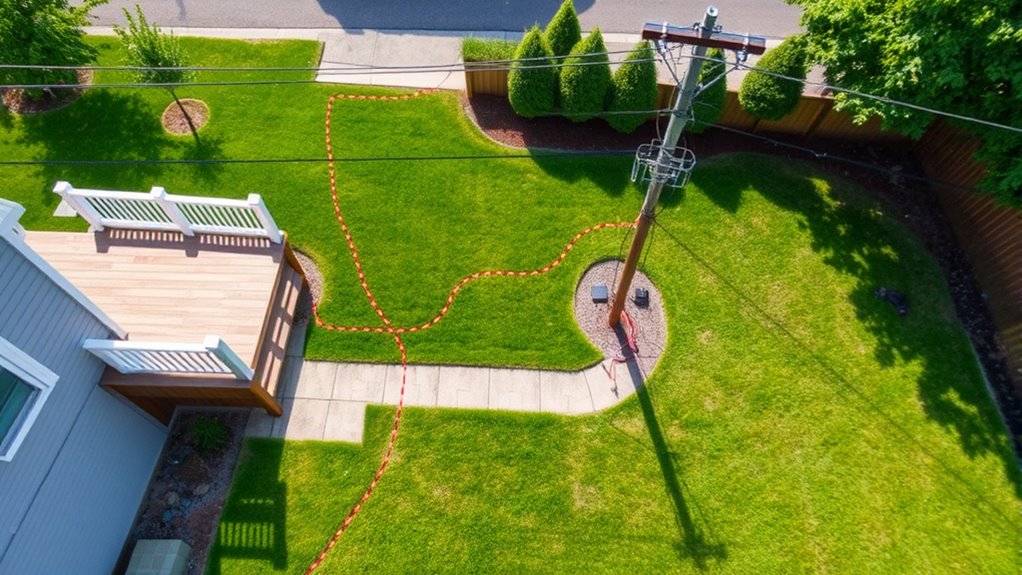
Setbacks are a key component of property regulations that help define how close structures can be built to property lines, roads, or other features. Common types include front setbacks, which keep buildings a safe distance from the street to improve safety and aesthetics. Side setbacks create space between neighboring properties, promoting privacy and reducing noise. Rear setbacks set boundaries from backyards to prevent overcrowding and protect environmental features like wetlands or trees. Sometimes, specific setbacks are required around utility easements or wetlands to safeguard infrastructure and natural resources. These setbacks serve various purposes, including safety, privacy, environmental protection, and community aesthetics. Understanding the different types helps you plan your construction projects within legal boundaries and avoid costly violations. Additionally, awareness of family influences might impact how communities view development and property use.

20Pack Orange Marking Flags, JIZHGRAD 13x4x5 Inch Marker Flags Use for Yard & Lawn, Boundary & Dog Training, Survey & Landscape, Sprinkler & Surveyor, Garden & Construction, High Visibility, Sturdy, Versatile, UV & Weather Resistant
- Bright, Fade-Resistant Colors: High visibility and durable color
- Sturdy Steel Wire Poles: Easily penetrates soil without deformation
- Weather and UV Resistant: Suitable for outdoor use in various conditions
As an affiliate, we earn on qualifying purchases.
As an affiliate, we earn on qualifying purchases.
The Role of Easements in Property Development

Easements play a crucial role in shaping property development by granting others the right to use part of your land for specific purposes. These legal agreements can influence how you develop or modify your property, as they often restrict certain activities or construction in designated areas. Easements guarantee access to neighboring properties, utilities, or shared facilities, facilitating community infrastructure and connectivity. They can also serve environmental or safety functions, such as protecting water flows or preserving green spaces. Understanding existing easements helps you plan your development more effectively, avoiding conflicts or legal issues later. Additionally, knowing about access rights is essential for ensuring your development plans comply with existing agreements. While easements limit how you can use certain portions of your land, they ultimately help maintain harmony between property owners and support broader community needs.

Maps of Property Acquired for Rapid Transit Purposes in Easement and fee Absolute for the City of New York by the Public Service Commission, First District
As an affiliate, we earn on qualifying purchases.
As an affiliate, we earn on qualifying purchases.
How to Identify No-Build Zones on Your Land

To identify no-build zones on your land, start with a property survey, which pinpoints boundaries and easements. Make sure to check your local zoning regulations, as they specify setbacks and restricted areas. Combining these steps helps you clearly see where construction is limited or prohibited. Additionally, understanding local regulations about water park restrictions can prevent future legal issues when planning your build.
Property Survey Techniques
Understanding how to identify no-build zones on your land is essential for ensuring your construction plans comply with local regulations. Property survey techniques help you accurately determine boundaries and restricted areas. Start by reviewing existing survey plats or property deeds, which often include boundary lines and setback information. Hiring a licensed surveyor provides precise measurements using tools like total stations and GPS technology. They can mark boundary lines, easements, and setback zones directly on your property. Using a metal detector or boundary pin locator helps locate existing survey markers. Comparing these markers with your property’s legal description confirms no-build zones. Regularly updating surveys guarantees no changes have occurred that might affect setback boundaries. Incorporating data-driven strategies ensures your project planning is accurate and compliant. Proper survey techniques prevent costly errors and ensure your project stays within legal and safe limits.
Local Zoning Regulations
Identifying no-build zones on your land involves examining local zoning regulations, which dictate where structures can or cannot be constructed. These rules define specific areas where building is restricted or prohibited, ensuring safety, environmental protection, and community planning. To find these zones, start by reviewing zoning maps and ordinances available from your local planning department or online resources. Look for restrictions related to:
- Setback requirements from property lines, roads, or water bodies
- Conservation or environmental protection zones
- Special districts, such as historic or floodplain areas
- Understanding zoning restrictions helps prevent legal issues and supports proper land use planning.
Understanding these regulations helps you avoid costly mistakes and plan your project within legal boundaries. Always verify with local authorities for updates or specific restrictions that may apply to your land.

Lizixny Wheel Fit Simulator Tool Tire Size Fit Test Measuring Mockup 5-Lug Fits 14"-20" Wheel size measurement tool
- Compatible Bolt Patterns: 5×4.5, 5×4.75, 5×5, 5×5.5
- Wheel Size Range: 14-20 inch diameter, 7-17 inch width
- Durable Construction: Laser-cut No.10 steel for strength
As an affiliate, we earn on qualifying purchases.
As an affiliate, we earn on qualifying purchases.
Local Regulations and Zoning Laws to Consider

Managing local regulations and zoning laws is vital when dealing with setbacks and easements, as these rules directly impact where and how you can develop your property. Zoning laws specify land use restrictions, such as residential, commercial, or industrial designations, which determine allowable building types and sizes. Setback requirements dictate the minimum distance structures must be from property lines, roads, or easements, limiting your building footprint. Additionally, zoning ordinances may impose height limits, density restrictions, or conservation overlays that affect your plans. It’s important to review local zoning maps, building codes, and permitted uses before designing your project. Failing to comply can result in fines, delays, or even the need to demolish non-conforming structures. Always consult local authorities to ensure your plans align with current regulations. Incorporating knowledge about unique and wicked planters can inspire creative solutions within permitted areas, enhancing your property’s appeal while remaining compliant.
Impact of Utility and Access Easements on Construction

Utility line locations can limit where you can build, so you’ll need to plan around them carefully. Access road restrictions might affect your construction schedule or design choices. Additionally, building setback limitations can influence how close your structure can be to property lines or easements. Using appliances and home improvement supplies from reliable retailers can help ensure your project remains within permitted areas and adheres to local codes.
Utility Line Locations
Have you ever considered how utility and access easements can influence construction plans? These easements often run across your property, containing utility lines like electricity, gas, or water. Knowing their exact locations is vital because building over them can cause delays, fines, or the need for costly relocations. Recognizing angel number patterns can also serve as a sign from the universe about upcoming changes or opportunities related to your property development.
- Utility lines can be buried just inches below the surface, requiring careful excavation.
- Some easements restrict the height and footprint of structures nearby.
- Maintenance access must be kept clear, limiting permanent structures or landscaping.
Understanding where these lines are helps you avoid accidental damage and legal issues. Always review property surveys and coordinate with utility companies before starting construction. Ignoring utility line locations can lead to serious setbacks and added expenses, so proper planning is essential.
Access Road Restrictions
Since access roads often run through or near easements, their placement can substantially impact construction plans. Easements granted for utilities or access rights can restrict where you build or even prevent construction in certain areas. You might assume you can place an access road anywhere, but easements may limit your options, requiring you to reroute or redesign. These restrictions protect utility companies and preserve access to existing infrastructure. If your property intersects with an easement, you must review its boundaries carefully, as building within or too close can lead to legal disputes or future access issues. Always check with local authorities or surveyors to understand easement locations. Additionally, considering projector technology can help you optimize space and plan construction accordingly. Failing to account for access road restrictions can cause delays, increased costs, or even the need to abandon planned construction.
Building Setback Limitations
Building setbacks are vital for ensuring safety and compliance, but they can be considerably affected by utility and access easements. These easements often restrict where you can build, reducing available space and complicating construction plans. Utility easements, for example, may run across your property, limiting the area where you can place structures. Access easements can grant others the right to cross your land, impacting your building footprint. It’s essential to review property maps and legal documents to identify these restrictions early. Understanding easements is crucial for planning a construction project effectively and avoiding legal issues.
Strategies for Planning Around Restrictions

When dealing with setbacks and easements, effective planning requires understanding and working within existing restrictions. Start by mapping out your property’s boundaries and identifying setback lines and easements clearly. Consider alternative design options that conform to these limitations, such as positioning your structure closer to the center of your lot, or redesigning to fit within available space. Consult with professionals, like architects or surveyors, who can help optimize your layout while respecting restrictions. Sometimes, minor adjustments or creative solutions—like building upward instead of outward—can help maximize your site’s potential. Keep in mind that flexibility is key; adapting your plans early avoids costly revisions later. Staying informed and open to inventive approaches allows you to navigate restrictions effectively and realize your building goals.
Resources for Verifying Building Restrictions

Are you unsure where to start when verifying building restrictions on your property? The good news is, several resources can help you get accurate information quickly. First, check your local zoning office or planning department—they maintain records of setbacks, easements, and other restrictions. Second, review your property’s deed and title report, which often include details on restrictions and rights. Third, utilize online databases and GIS mapping tools provided by city or county websites—they often display overlays for easements and zoning setbacks. These resources provide clarity and prevent costly mistakes. By consulting these sources, you can confidently determine where you can build and avoid violations that could delay your project.
Frequently Asked Questions
Can Setbacks Vary Significantly Between Different Neighborhoods or Cities?
Yes, setbacks can vary widely between neighborhoods and cities. Local zoning laws, building codes, and community preferences influence these rules. You might find some areas require larger setbacks for privacy or aesthetic reasons, while others are more flexible. Always check with your city or neighborhood planning department before starting construction. Understanding these differences helps you plan your project correctly and avoid costly setbacks or violations later.
Are There Exceptions to Easements That Allow Building Modifications?
Yes, there are exceptions to easements that can allow building modifications. You might be able to make changes if you obtain permission from the easement holder or if local regulations permit certain alterations. It’s important to review your easement agreement and consult with local authorities or legal experts to understand what modifications are possible without violating easement rights. Always check before planning any construction or changes.
How Do Historical Property Lines Affect Current Setback Requirements?
Historical property lines can influence current setback requirements, especially if boundaries haven’t been officially changed or updated. You need to review old maps, deeds, and land records to see if those lines are still recognized. Local zoning laws often require setbacks be measured from these original lines, so understanding their accuracy helps guarantee your construction complies. Always consult with local planning offices for precise guidance based on historical records.
Can You Apply for Variances to Bypass Setback or Easement Restrictions?
Yes, you can apply for a variance to bypass setback or easement restrictions. First, you’ll need to navigate the necessary paperwork, submit a solid statement, and show sincere reasons for your request. Then, you’ll present your case to local authorities, hoping they’ll grant your generous gesture. Keep in mind, variances aren’t guaranteed, so prepare for possible pushback and be ready to prove your project’s practicality and fairness.
What Are the Consequences of Building Without Complying With Restrictions?
If you build without complying with restrictions, you risk fines, legal action, and orders to remove or modify your structure. Ignoring setbacks and easements can also lead to disputes with neighbors or utility companies. These consequences can delay your project, increase costs, and create long-term legal problems. To avoid this, always check local regulations and obtain necessary permits before starting construction.
Conclusion
Understanding setbacks and easements might seem like limits, but they’re really safeguards for your property’s future. While they restrict where you can build today, they protect your rights and community’s well-being tomorrow. Embrace these boundaries as opportunities to plan smarter, ensuring your project respects both legal limits and shared spaces. Sometimes, what you can’t build now opens the door to better, more sustainable designs in the future.