
Building a backyard pool usually takes several weeks to a few months, depending on your design, chosen materials, and site conditions. Each stage, from planning and permitting to excavation, shell installation, and finishing touches, impacts the timeline. Unexpected delays can also occur, so having a contingency plan helps. If you want to know what each step involves and how to keep your project on schedule, there’s more to uncover below.
Key Takeaways
- The entire pool construction process typically takes between 8 to 16 weeks, depending on project complexity.
- The planning stage can last from a few weeks to several months, influencing the overall timeline.
- Excavation and foundation work usually take 1 to 2 weeks, depending on soil and site conditions.
- Pool shell installation generally requires 2 to 4 weeks, varying by pool type and size.
- Finishing touches and inspections can add several additional weeks to the project timeline.
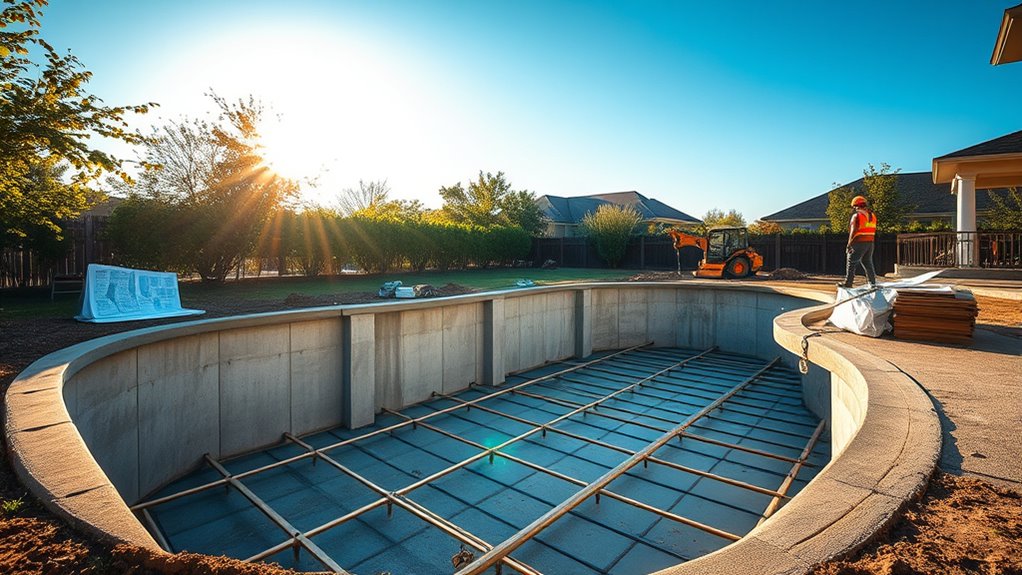
Building a pool is an exciting project, but understanding the typical timeframe helps you plan accordingly. Knowing how long the process takes allows you to coordinate your schedule, budget, and expectations effectively. One of the first considerations is the planning stage, which can take anywhere from a few weeks to a couple of months. During this phase, you’ll work with contractors to finalize your design, choose materials, and get permits approved. Proper planning is vital because it directly impacts the overall timeline and budget. When discussing cost estimation, keep in mind that unexpected delays or changes can alter your initial budget, so it’s wise to have a contingency fund.
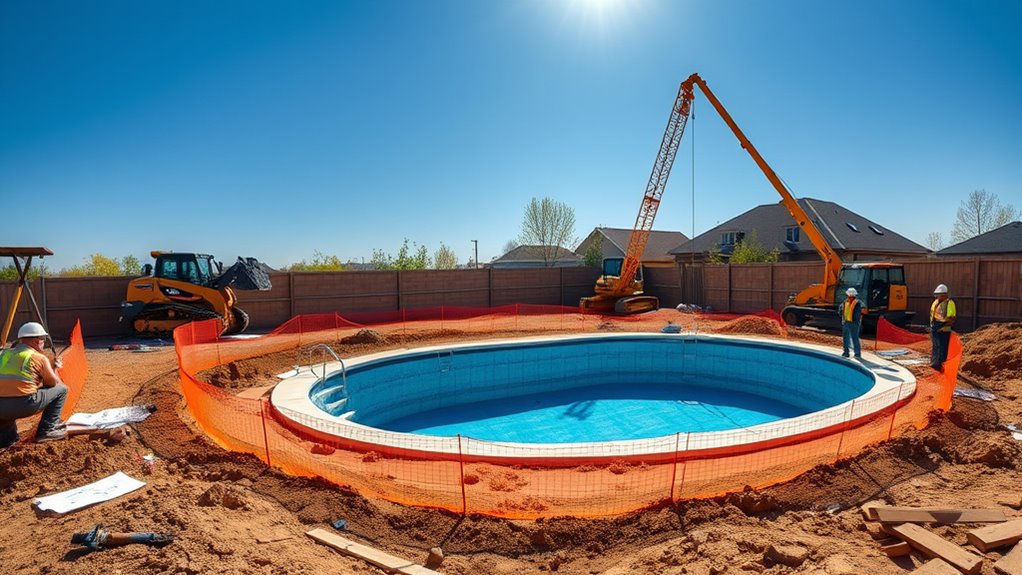
Once the planning is complete and permits are secured, construction begins. Typically, the excavation and foundation work take about one to two weeks. This involves digging out the area, setting the foundation, and preparing the site for the pool installation. If your property has challenging soil conditions or requires extensive grading, this stage could take longer. After excavation, the shell of the pool is built, which might involve gunite, fiberglass, or vinyl liner installation. This phase usually lasts between 2 to 4 weeks, depending on the pool type and complexity. During this time, safety measures are essential to guarantee pool safety, such as secure fencing and barriers, especially if children or pets are around. Proper safety planning not only protects residents but also helps avoid potential legal issues. Additionally, the type of pool material can influence the construction duration, as some materials require longer curing or installation times.
Once the shell is installed, the process shifts to finishing touches like plumbing, electrical work, and decking. These steps typically take another few weeks, and coordinating multiple trades can sometimes extend the timeline. Once construction is complete, the pool needs to be filled, tested, and inspected. This final phase can take a few days to a week. During this period, you’ll want to verify the pool’s safety features and ensure all equipment functions correctly.
above ground pool construction kit
As an affiliate, we earn on qualifying purchases.
As an affiliate, we earn on qualifying purchases.
Frequently Asked Questions
What Factors Can Delay the Pool Construction Process?
You might face delays in your pool construction due to material shortages or contractor availability. If materials like concrete or specialty equipment are unavailable, it stalls progress. Similarly, if your contractor is booked or has scheduling conflicts, it pushes back your project timeline. To minimize delays, stay in close contact with your builder, plan ahead for potential shortages, and be flexible with scheduling to accommodate unforeseen issues.
How Does Weather Impact Construction Timelines?
Rain delays can put a damper on your pool project, making progress slow as crews wait for clear skies. Bad weather also increases the risk of equipment breakdowns, which can further extend timelines. When the weather turns sour, it’s like hitting a snag in the road, forcing delays. So, while you can’t control the forecast, understanding its impact helps you prepare for potential setbacks and stay flexible with your plans.
Are There Seasonal Considerations for Starting Pool Projects?
You should consider seasonal planning when starting your pool project, as certain times of year can influence progress. For example, off-season periods like late fall or winter often offer advantages such as faster scheduling and lower costs. Starting during these times means fewer delays and more flexibility with contractors. Keep in mind, though, that weather conditions still matter, so plan ahead to maximize these off-season benefits and ensure a smooth construction process.
Can Permits Affect the Construction Schedule?
Permits can considerably slow down your pool project, much like a traffic jam on a busy road. Permit delays and zoning restrictions often add unexpected weeks or even months to your schedule. You need to plan for these hurdles early, submitting all necessary paperwork promptly. Keep in touch with local authorities to stay updated; otherwise, these obstacles might extend your construction timeline and cause frustration.
How Long Does the Pool Landscaping Phase Typically Take?
You can expect the pool landscaping phase to take anywhere from 2 to 6 weeks, depending on your landscaping design and plant selection. During this time, your contractor will prepare the site, choose suitable plants, and install features like patios or lighting. Factors like customization or delays in plant delivery might extend the timeline, so staying in close communication with your landscaper helps make certain everything stays on track.
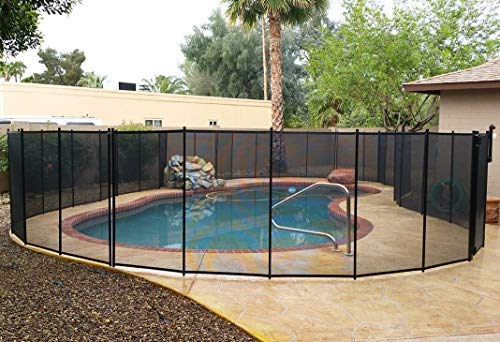
VINGLI Pool Fence 4Ft x 96Ft, Swimming Safety Fencing for Inground Pools
- Pool Fence Material: Premium mesh fabric and aluminum
- Durability: Resistant to cracking and storms
- Easy Storage: Rolls up for convenient storage
As an affiliate, we earn on qualifying purchases.
As an affiliate, we earn on qualifying purchases.
Conclusion
So, next time you’re dreaming of your perfect pool, remember that the typical build takes a few weeks to a few months—kind of like how a summer breeze suddenly turns into a gentle rain. Coincidentally, the right team, weather, and materials can make all the difference, just like how a single decision can change your entire backyard. Patience pays off, and before you know it, you’ll be diving into your new oasis—proof that good things really do come to those who wait.
As an affiliate, we earn on qualifying purchases.
As an affiliate, we earn on qualifying purchases.