
When comparing saltwater and chlorine pools for daily care, consider how each system handles sanitization. Saltwater pools generate chlorine automatically, making maintenance simpler and reducing chemical handling, but require periodic generator cleaning and salt level checks. Chlorine pools rely on manual addition of chlorine, demanding more frequent testing and chemical adjustments. Your choice depends on your maintenance routine, budget, and lifestyle. Keep exploring to discover how these differences can help you maintain a clean, safe pool effortlessly.

Get pool and patio gear delivered free with Prime
- Fast, free delivery on millions of items
- Prime Video, Amazon Music and more included
- Member-only deals all year
Key Takeaways
- Saltwater pools generate chlorine automatically, reducing manual chemical addition, while traditional chlorine pools require regular chemical dosing.
- Maintaining proper pH, alkalinity, and salt levels is essential for both systems to ensure water quality and comfort.
- Saltwater systems need periodic generator cleaning and salt level checks; chlorine pools focus on manual chemical adjustments.
- Upfront costs are higher for saltwater pools, but ongoing chemical expenses are typically lower compared to chlorine pools.
- Lifestyle preferences, maintenance routine, and budget influence which system is easier and more suitable for everyday pool care.
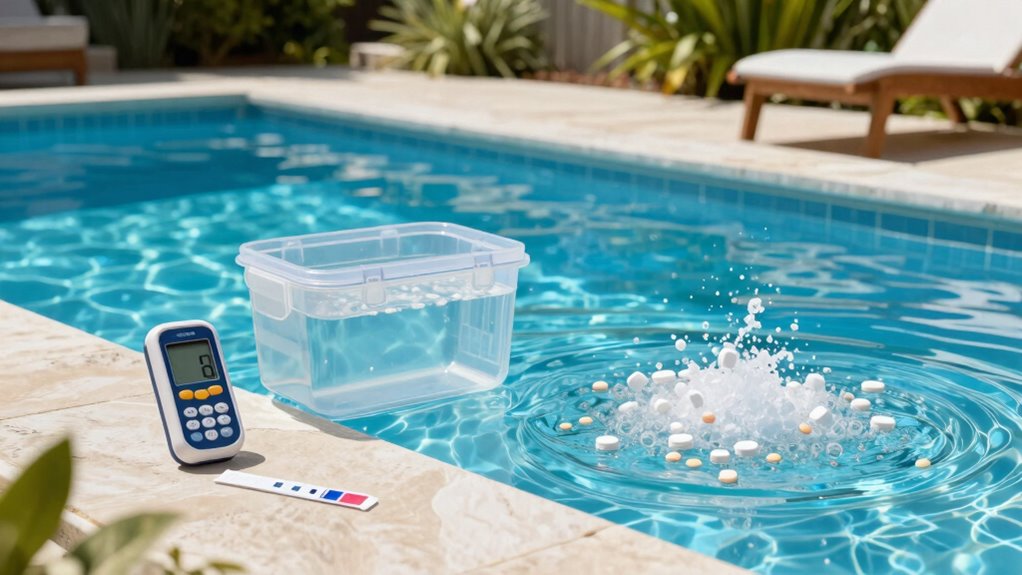
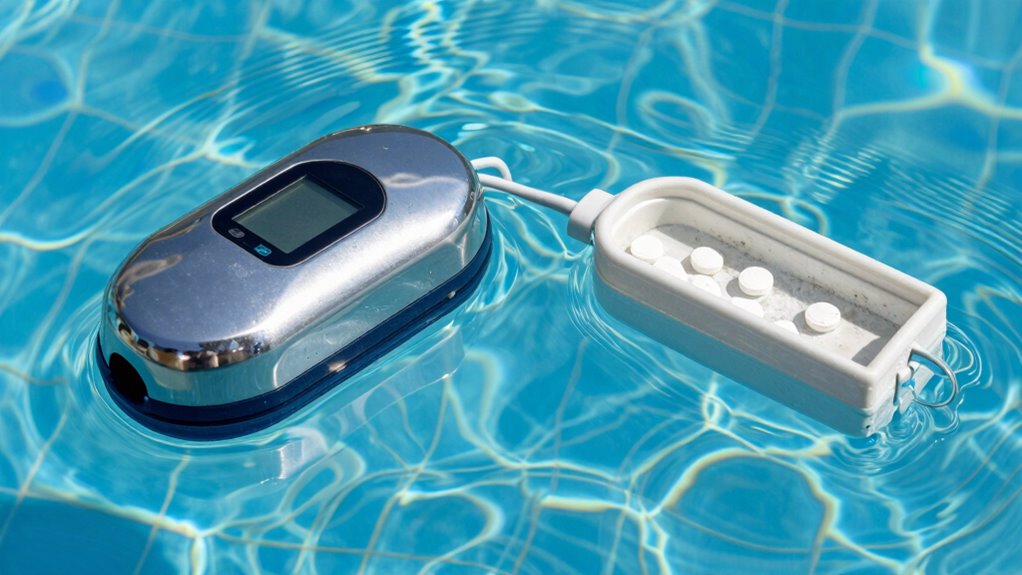
When choosing between saltwater and chlorine pools, understanding their differences is vital to making an informed decision. Both options require regular pool maintenance, but the way you manage chemical balance varies considerably. With saltwater pools, you generate chlorine through a salt-chlorine generator, which converts salt into chlorine as needed. This process tends to produce a gentler, more consistent level of sanitizer, making maintenance easier in some respects. In contrast, traditional chlorine pools rely on manually adding chlorine tablets, liquid, or granules to keep the water sanitized. This means you need to monitor chlorine levels frequently and adjust doses to maintain proper chemical balance.
Saltwater pools generate chlorine automatically, offering a gentler, more consistent sanitizing process than manual chlorine addition.
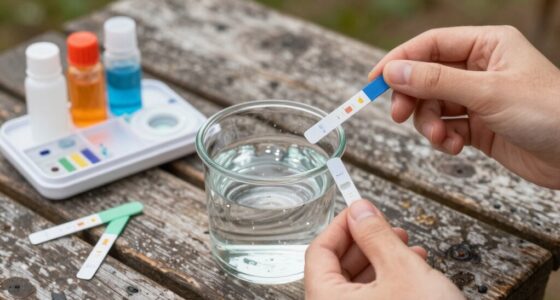
Chemical balance is imperative regardless of your choice. If the water isn’t correctly balanced, you risk issues like cloudy water, algae growth, and skin or eye irritation. Saltwater pools often require less frequent testing because the generator produces a steady supply of chlorine, but you still need to check pH, alkalinity, and salt levels regularly. Maintaining proper pH levels is particularly important, as it affects how effective the chlorine is at disinfecting, and it influences overall pool comfort. Additionally, understanding the chlorine generation process in saltwater systems can help optimize maintenance routines and extend equipment lifespan. Proper salt level management is also critical to prevent corrosion and ensure efficient chlorine production. Regularly inspecting and cleaning the generator cell can also prevent buildup and ensure optimal performance, which is an important part of saltwater system maintenance.
In terms of pool maintenance, saltwater pools tend to have fewer chemical handling tasks since the salt-chlorine generator continuously produces chlorine, reducing the need for manual chemical addition. However, you still need to clean the generator cell periodically to prevent buildup, and salt levels must be monitored to avoid corrosion or damage to pool equipment. Monitoring salt levels is essential to maintain a balanced and safe swimming environment. Chlorine pools require more hands-on chemical management, but many find it straightforward once they establish a routine.
Another aspect to think about is the long-term cost and equipment upkeep. Saltwater systems often have higher upfront costs because of the generator and salt, but they may save money over time due to reduced chemical purchases. Chlorine pools typically have lower initial costs but can incur higher ongoing chemical expenses. Both systems demand consistent attention to chemical balance for safe, clear water, but the maintenance process differs in intensity and frequency.
Ultimately, your choice depends on your preferences for pool care, your budget, and how much time you’re willing to dedicate to maintenance. Understanding these differences guarantees you select a system that matches your lifestyle and keeps your pool safe and inviting year-round.
saltwater pool chlorine generator
As an affiliate, we earn on qualifying purchases.
As an affiliate, we earn on qualifying purchases.
Frequently Asked Questions
Which Is More Cost-Effective Long-Term: Saltwater or Chlorine Pools?
Saltwater pools tend to be more cost-effective long-term because they require less frequent chemical additions, offering better chemical stability. Plus, the gentle water improves pool aesthetics and reduces skin irritation, saving you money on skincare products. While initial setup costs are higher, the ongoing maintenance costs are lower, making saltwater pools a smarter investment over time. You enjoy easier upkeep and consistent clarity without frequent chemical refills.
How Does Each System Impact Skin and Eye Irritation?
They say, “An ounce of prevention is worth a pound of cure,” and that’s true for pool comfort. Saltwater pools typically cause less skin sensitivity and eye irritation because they contain lower chlorine levels and produce fewer harsh chemicals. In contrast, chlorine pools may lead to more irritation, especially for sensitive skin or eyes. If you prioritize eye comfort and skin sensitivity, saltwater pools often offer a gentler experience.
Can You Convert a Chlorine Pool to Saltwater Easily?
Yes, you can convert a chlorine pool to saltwater easily. First, you need to adjust your pool’s chemistry by lowering chlorine levels and adding a saltwater chlorinator. Water softening may be necessary if your water is hard, to prevent buildup. Installing a salt generator will then produce chlorine from salt, maintaining your pool’s chemistry. Overall, the process is straightforward, but monitoring water balance remains essential for ideal pool care.
What Maintenance Is Required for Saltwater Compared to Chlorine?
Imagine a pool that’s basically a high-maintenance diva—saltwater. You’ll check pool chemistry less often but still need to monitor salt levels and sanitize equipment regularly. Chlorine pools demand frequent chemical additions and balancing, risking faster equipment wear. Saltwater’s gentler on equipment, boosting longevity, but it still needs occasional testing and salt replenishing. Overall, saltwater pools are lower fuss, but they still require some dedicated TLC.
Are There Environmental Concerns With Saltwater Pools?
Saltwater pools can raise environmental concerns, especially regarding salt discharge into local ecosystems. However, they often use eco-friendly alternatives like salt generators that reduce chemical use. You can also practice water conservation by fixing leaks and using covers to minimize evaporation. While they’re generally more eco-friendly than traditional chlorine pools, it’s essential to manage salt levels responsibly to protect surrounding environments and promote sustainable pool maintenance.
As an affiliate, we earn on qualifying purchases.
Conclusion
Ultimately, choosing between saltwater and chlorine pools is like selecting your own adventure. Both have their merits and quirks, but remember, the right choice depends on your lifestyle and preferences. Like the steady lighthouse guiding sailors, understanding these options helps you navigate pool care confidently. Whichever you pick, knowing the differences ensures your oasis remains inviting, safe, and revitalizing—your personal Atlantis waiting to be explored. Immerse yourself with confidence and enjoy your perfect pool experience.
As an affiliate, we earn on qualifying purchases.
As an affiliate, we earn on qualifying purchases.
Halloween Picks
halloween
As an affiliate, we earn on qualifying purchases.