
TL;DR

Get pool and patio gear delivered free with Prime
- Fast, free delivery on millions of items
- Prime Video, Amazon Music and more included
- Member-only deals all year
A Gardening Know How report says most pruning cuts and storm-damaged tree wounds should be left unsealed, because dressings do not reliably prevent decay and may trap moisture. It describes a limited exception for oak and elm cuts in areas where oak wilt or Dutch elm disease is a risk; local guidance should determine whether a sealant is needed.
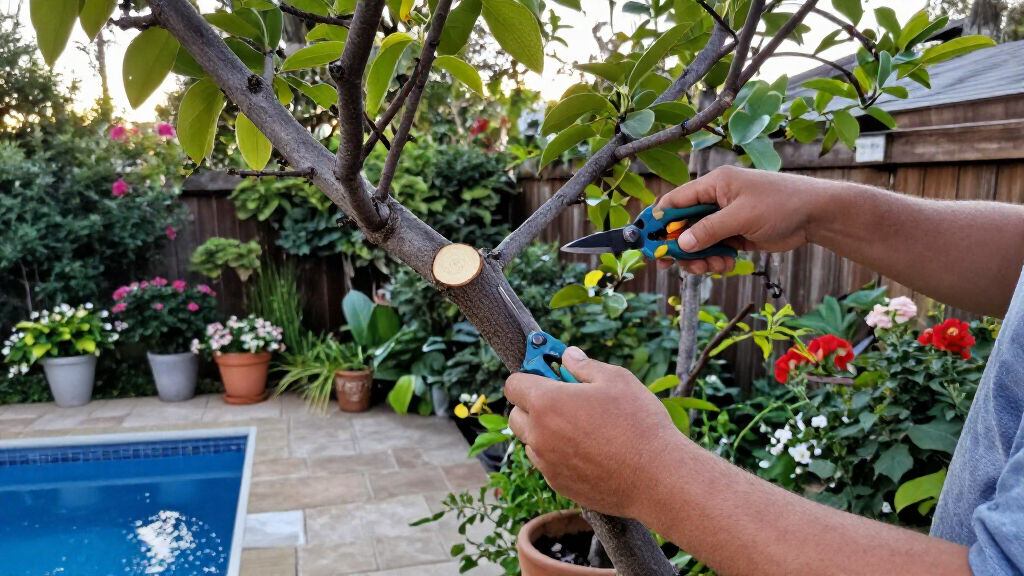
Most tree pruning cuts and storm wounds should not be coated with pruning paint or tar sealant, according to a Gardening Know How report summarizing current arborist guidance. The report says routine dressings can trap moisture and interfere with a tree’s response to injury, while identifying limited disease-control exceptions for oak and elm in affected areas.
The report says the familiar advice to seal exposed wood grew from the assumption that trees heal like people: cover a wound to keep out infection and stop bleeding. But tree responses differ. A cut does not heal by having its original tissue restored; the tree grows new tissue around the injured area. The report says clean cuts left unpainted generally fare better than cuts covered with wound dressing.
According to Gardening Know How, arborists and tree scientists tested wound dressings and found that routine applications did not prevent decay or protect trees. The report says sealants can crack as bark expands and contracts. Water may then enter through those cracks and remain trapped beneath the coating, creating conditions that can favor decay. Dressings may also cover living cells at the wound margin that contribute to the tree’s response.
The recommendation is not to leave a damaged tree unattended. The report favors clean pruning cuts and appropriate care for the tree, while cautioning against treating a coating as a standard remedy. It describes a limited exception: fresh cuts on oaks or elms in places where oak wilt or Dutch elm disease is prevalent may need protection from insects that spread those diseases. Whether a dressing is appropriate depends on local disease risk and guidance.
Why Routine Coatings Can Backfire
The advice matters because wound paint is often sold and applied as a simple safeguard after pruning or storm damage. If a coating does not prevent decay, it may add cost and create a false sense that the underlying problem has been handled. The report’s account instead points to the cut itself and the tree’s natural response as the focus of care.
Storm damage can also involve hazards beyond the wound, including hanging branches or damage near buildings and power lines. A sealant will not make an unstable limb safe. For significant damage, readers may need a qualified arborist to assess the tree. The disease-related exception matters too: a blanket “never seal” rule could miss local precautions intended to limit insect transmission.
Products Worth Considering

eufy Security Essential 7-Piece Alarm System

Dyson Car+Boat Cordless Handheld Vacuum

Levoit Core 600S-P Smart Air Purifier for Large Rooms
As an affiliate, we earn on qualifying purchases.
How Tree Wound Advice Changed
For decades, gardeners were encouraged to cover cuts with asphalt-based paints, tar compounds, or other dressings. As the report explains, the logic borrowed from human wound care: cover an injury to block pathogens. That comparison helped make the practice seem intuitive, especially when a tree appeared to be “bleeding” sap after a limb broke or was cut.
Gardening Know How says evidence from studies of wound dressings led arborists to question that routine practice. It reports that the International Society of Arboriculture and forestry institutions advise against applying wound paint or sealant as a general treatment. The report’s exception concerns disease management in particular regions, not faster healing: insects attracted to fresh oak or elm wounds can spread oak wilt or Dutch elm disease where those threats are present.
““clean, unsealed tree cuts heal best on their own.””
— Gardening Know How
When Local Disease Risk Changes Advice
The supplied report does not give a publication date, name the specific studies it references, or provide a detailed list of jurisdictions where disease-related wound treatment is recommended. It also does not specify which products or application methods are advised for each exception. The oak and elm guidance should not be treated as a universal instruction: local disease prevalence and current recommendations matter.
For a particular tree, the relevant species, location, season, type of damage, and condition of the tree may affect the best response. The source does not establish that every damaged tree will recover without intervention, nor that sealant is appropriate whenever an oak or elm is cut.
Check Regional Arborist Guidance
Before applying a dressing, identify the tree species and check current advice from a local extension service, forestry agency, or qualified arborist, especially in areas affected by oak wilt or Dutch elm disease. For routine pruning, use sound pruning practice rather than relying on paint to protect the cut. If a storm has left large, split, or suspended limbs, seek a professional assessment; keep away from branches near electrical lines and contact the utility when needed.
Key Questions
Should I seal a tree wound after pruning?
Usually, no. The Gardening Know How report says routine wound dressings do not reliably prevent decay and may trap moisture. Check local advice for disease-related exceptions.
Does pruning paint stop rot or insects?
The report says studies have not shown routine sealants prevent decay or provide general protection. It warns that cracked coatings can trap water beneath the dressing.
Are there exceptions for oak or elm trees?
There may be exceptions in areas where oak wilt or Dutch elm disease is present, because insects can spread these diseases from fresh wounds. Follow current local guidance rather than applying sealant automatically.
What should I do about storm-damaged branches?
Do not treat sealant as a fix for structural damage. For large, split, or hanging limbs, consult a qualified arborist, and stay clear of branches near power lines.
Source: gardeningknowhow.com