TL;DR

Get pool and patio gear delivered free with Prime
- Fast, free delivery on millions of items
- Prime Video, Amazon Music and more included
- Member-only deals all year
Gardening Know How recommends zip-up horticultural-fleece jackets as one tool for protecting garden plants from frost, snow and wind. The report says protection varies by fabric weight, with heavier fleece providing more insulation but blocking more sunlight; a jacket’s suitability depends on the plant and conditions.
Gardening Know How has published advice on using zip-up horticultural-fleece jackets to protect garden plants during winter, describing options for everything from tender banana plants to early-flowering shrubs. The guidance says gardeners should choose a cover by its weight rating and the plant’s sunlight needs, because heavier fleece offers more estimated insulation while letting less light through.
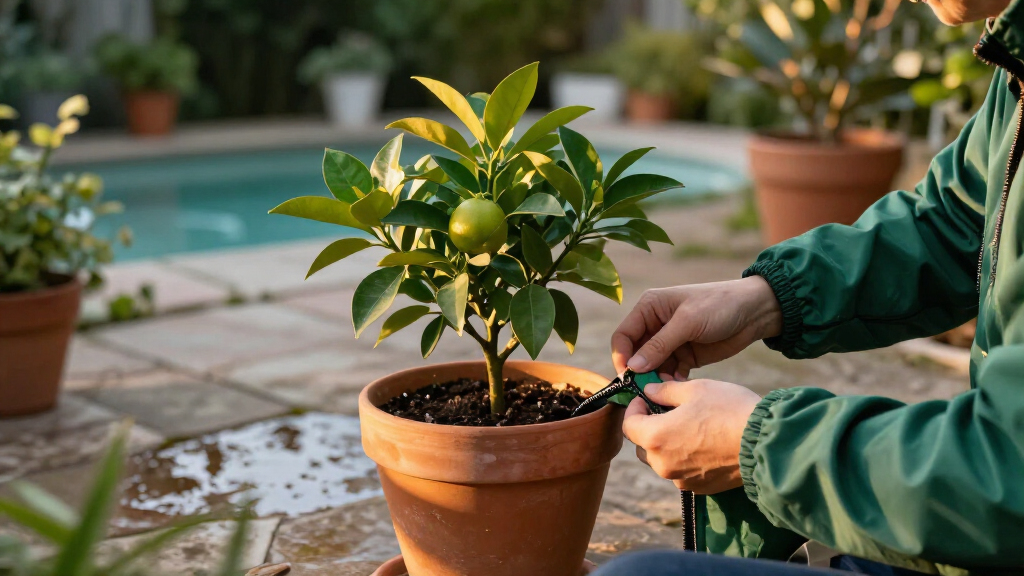
The report describes frost jackets as covers made from horticultural fleece, a non-woven fabric typically made from polypropylene. Jackets with zippers and drawstring bases can be opened on milder days to allow air circulation, according to the article. The report says fleece weight is commonly shown in grams per square meter (gsm) or ounces per square yard, and advises checking the product label or online listing.
Its estimates range from about 4°F of protection for medium-weight fleece rated 30–35gsm, which lets through about 65% of sunlight, to approximately 7°F for heavy fleece rated 50–60gsm, with about 50% light transmission. Ultra-heavy fleece rated 70–100gsm is described as providing an estimated 8–10°F of protection while allowing about 20–30% of sunlight through. The report also lists 17gsm fleece as a short-term frost cover for late-season vegetables, estimating about 2°F of protection and 85% light transmission.
The article recommends matching the cover to the plant. Dormant banana plants and tree ferns in colder areas may be wrapped with straw and then covered with heavier fleece, while deciduous shrubs can be covered without a winter sunlight concern. For evergreen plants, the report favors medium-weight fleece where possible, with heavier covers reserved for colder conditions or used temporarily during severe weather. It also suggests covering camellia and magnolia buds overnight when a late frost is forecast.
Balancing Frost Protection and Light
A cover’s weight affects more than warmth: heavier fleece blocks more sunlight, which can matter for evergreens that retain leaves through winter. Selecting a jacket solely for its highest insulation rating may not suit every plant or a cover left in place for an extended period. The report’s guidance gives gardeners a way to compare products and think about cold exposure, plant type and cover duration together.
The advice also points to several different kinds of winter damage. Frost can harm tender plants and early flower buds; snow and wind can stress branches; and the report says young fruit trees may benefit from a cover against bark splitting in freezing conditions. These are recommendations from the source, not guarantees that a jacket will prevent damage in every garden or during severe cold.
For children, garden coverings and ties should be secured so they do not create a trip or entanglement hazard. Any work in cold or icy conditions should be done with care, particularly around paths and steps.
Products Worth Considering

Levoit Core 600S-P Smart Air Purifier for Large Rooms

Shark Rocket Corded Stick Vacuum (HV301) – Gray/Orange

Ring Alarm 8-Piece Kit (2nd Gen) Home Security System
As an affiliate, we earn on qualifying purchases.
Fleece Ratings and Plant Needs
The source report frames frost jackets as one part of winterizing a garden, rather than a universal replacement for other protection. It says fleece can help hold insulating straw around dormant banana plants and tree ferns, while a jacket can be placed over early-flowering shrubs during a forecast frost. The suitable fabric weight depends on both the plant’s tolerance and the climate in which it is growing.
For evergreens such as conifers, the report says sunlight and fresh air remain relevant through winter. It suggests medium-weight fleece for protection against snow, hail and wind, and says tender olive trees, citrus and some palms may need more protection in colder climates. A heavier layer used during severe weather may need to be removed or opened to restore light and airflow.
The temperature and sunlight figures are presented as approximate ratings in the article. The supplied source does not identify a particular product test or explain the conditions used to calculate those estimates, so they should not be treated as a guarantee for a specific garden.
““The higher the number, the more insulation it will provide but also block more sunlight.””
— Gardening Know How
Limits of the Protection Estimates
The report does not state the publication date, provide independent testing data for the temperature estimates, or explain how factors such as wind, moisture, cover fit and exposure affect performance. Its figures should therefore be read as estimates cited by the article, not assured minimum temperatures for plant survival. It also does not identify a single jacket suitable for every species or climate.
Gardeners’ exact choices depend on local conditions and the plants being covered. The source does not provide location-specific forecasts or a full list of plant-care requirements, and the available material ends before completing its guidance about using heavier fleece on tender evergreens. The advice on that point is therefore limited to the recommendations included in the supplied text.
Check Forecasts Before Covering
Gardeners preparing for cold weather can use the forecast and the plant’s needs to decide whether a cover is needed, then check the product’s gsm or ounces-per-square-yard rating before buying. The report recommends opening zippered covers on milder days for airflow and, for tender evergreen plants, paying attention to light if a heavier cover stays in place.
During a forecast late frost, the article suggests placing a medium- or heavy-weight jacket over early-flowering shrubs overnight. For plants facing prolonged or severe cold, its guidance indicates that fleece may need to be combined with other protection, such as straw around dormant plants. The report does not specify a universal schedule for removing covers, so gardeners should continue monitoring local weather and the condition of their plants.
Key Questions
What does a frost-jacket weight rating mean?
The rating indicates the fleece’s weight per area, usually in gsm or ounces per square yard. In the source report, heavier fabric is associated with more estimated insulation but less sunlight passing through.
Does heavier fleece protect every plant better?
Not necessarily. The report says heavier fleece provides more estimated cold protection, but it also blocks more light. It recommends considering whether the plant is dormant or evergreen and how long the cover will remain in place.
Can a frost jacket protect plants in very cold weather?
The source says fleece alone may not be enough for banana plants and tree ferns in colder zones and describes using it over insulating straw. Its temperature ratings are estimates, not guarantees for severe conditions.
Should a zip-up cover stay closed all winter?
The report recommends opening zippered jackets on milder days to allow air circulation. It also says evergreen plants need sunlight, so gardeners should consider light transmission if a cover will remain on for a long period.
Source: gardeningknowhow.com