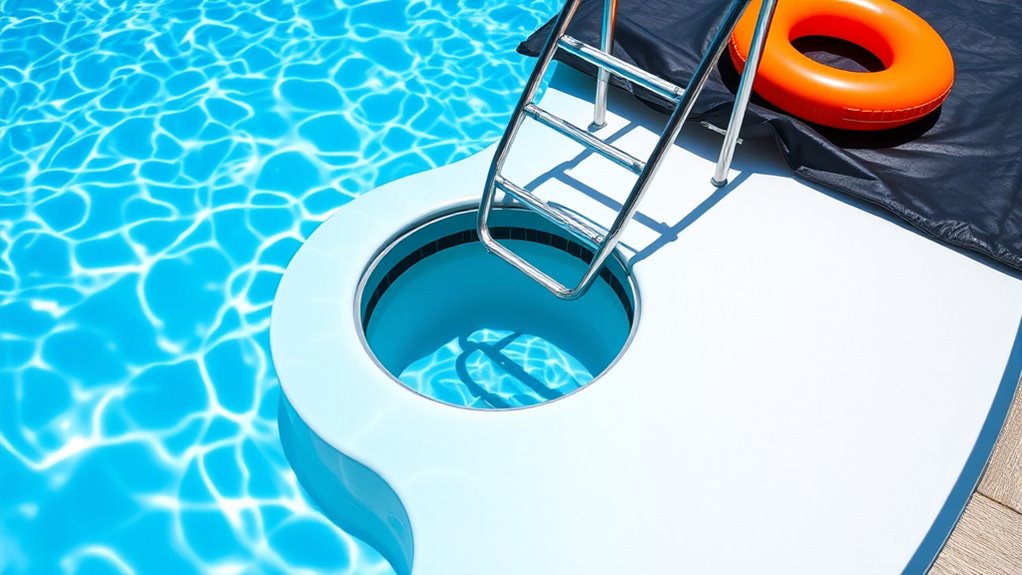

Understanding essential pool terminology—like skimmers, filters, pumps, and solar covers—helps you keep your pool safe, clean, and energy-efficient. Skimmers remove surface debris before it sinks, filters trap dirt and bacteria, and pumps circulate water through the system. Solar covers help conserve energy and prevent debris entry. Familiarizing yourself with these terms allows you to maintain your pool effectively, ensuring a safer, clearer swimming environment. Stick around to explore more key components and tips for suitable pool management.
Key Takeaways
- Skimmers remove surface debris, preventing clogging and maintaining water clarity.
- Filters trap dirt and bacteria, ensuring safe, clean water for swimmers.
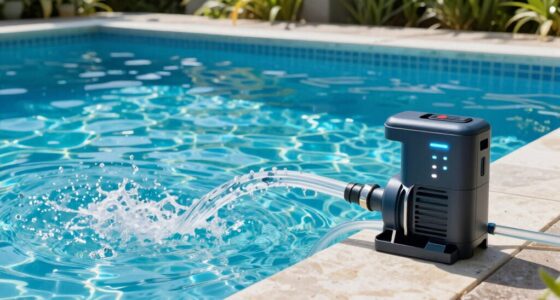
- Pumps circulate water through filtration systems to promote proper water flow and chemical distribution.
- Solar covers retain heat, reduce evaporation, and prevent debris entry, enhancing energy efficiency.
- Regular maintenance of baskets, filters, and chemical levels ensures pool safety and prolongs equipment lifespan.
Ever wondered what all those terms players toss around during a game of pool mean? It can seem like a whole new language, but understanding some basic pool terminology helps you get more comfortable with the game and your own pool setup. Whether you’re a new owner or just want to improve your knowledge, learning these terms makes pool maintenance and safety easier to manage. For starters, knowing about key components like skimmers, filters, and pumps is essential. Skimmers are indispensable—they’re the first line of defense against debris, pulling leaves, bugs, and dirt from the surface before they sink. Regularly inspecting and cleaning your skimmer basket is part of good maintenance tips, preventing clogging and guaranteeing proper water circulation. Proper operation of your skimmer also ties into safety guidelines, as a well-maintained skimmer reduces the risk of water imbalance or pump overloads, which could cause equipment failure or hazards.
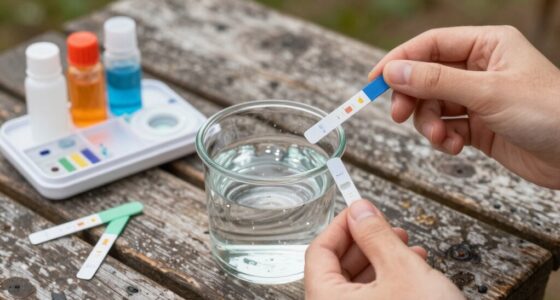
Next, understanding the role of a pool’s filtration system helps you keep your water crystal clear and safe to swim in. The filter traps dirt and bacteria, so knowing when to clean or replace filter media is part of your maintenance routine. Clean filters not only improve water quality but also extend the life of your entire system. This is especially important because neglecting filter maintenance can lead to poor water circulation, algae growth, and potential health risks. Following safety guidelines, you should always turn off the pump before opening the filter for cleaning to prevent accidents or injury. Regular maintenance tips also include checking the chemical balance of your pool water—pH levels, chlorine, and alkalinity—to prevent bacteria growth and skin irritation. Proper chemical management is essential for safety, especially when children or pets are around, so keeping these levels within recommended ranges minimizes health risks. Additionally, understanding the importance of proper system sizing ensures your pool maintains optimal circulation and energy efficiency, preventing strain on equipment and reducing operational costs.
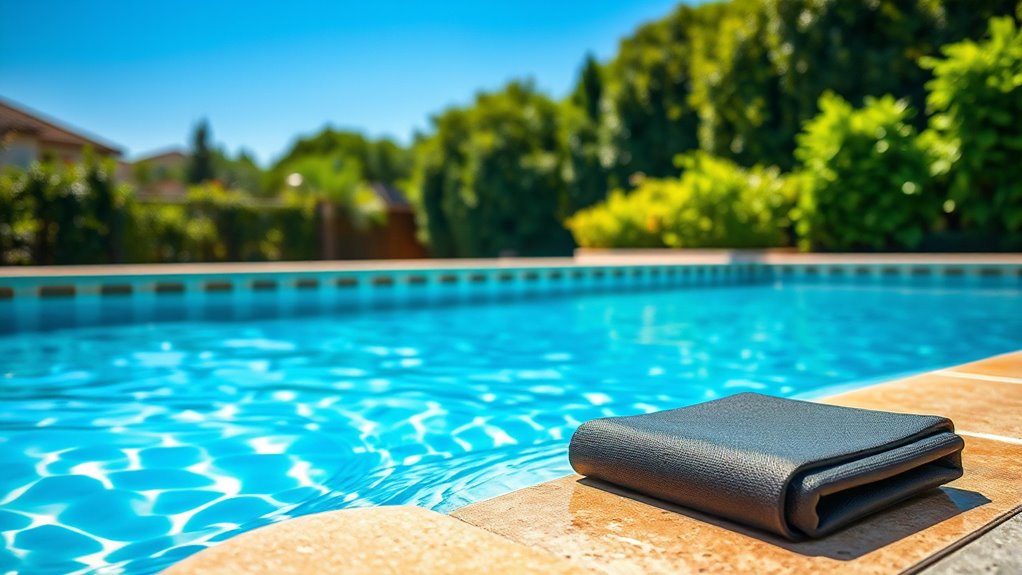
Finally, understanding the purpose of items like solar covers can help you save energy and money while maintaining a safe swimming environment. Solar covers trap heat, reduce evaporation, and keep debris out, but they should always be used according to safety guidelines. Never walk on a cover that isn’t secured properly, and remove it carefully to prevent accidents. Incorporating these terms into your routine can make managing your pool less intimidating. Following maintenance tips ensures your equipment functions properly, while adhering to safety guidelines keeps everyone safe during use. By familiarizing yourself with these key components and their functions, you gain confidence in maintaining your pool, extending its lifespan, and enjoying a safe, clean swimming experience.
As an affiliate, we earn on qualifying purchases.
Frequently Asked Questions
How Often Should I Clean My Pool’s Skimmer?
You should clean your pool’s skimmer at least once a week to ensure proper pool maintenance and safety precautions. Regular skimmer cleaning prevents debris buildup, which can clog the filtration system and reduce water circulation. During heavy use or storms, check it more frequently. Staying consistent keeps your pool clean, safe, and running efficiently, helping you avoid costly repairs and enjoy your pool safely all season long.
What’s the Best Way to Store a Solar Cover?
A stitch in time saves nine, and that’s true for your solar cover too. To store it properly, first clean your solar cover to remove dirt and debris, then fold it neatly or roll it up to prevent creases. Store it in a cool, dry place away from direct sunlight to prolong its lifespan. Follow cover maintenance tips like avoiding sharp objects, and you’ll keep it effective season after season.
How Do I Know if My Pump Is Working Properly?
You can tell if your pool pump is working properly by checking for consistent water flow and pressure. Regular pool pump maintenance includes inspecting for leaks, unusual noises, or vibrations. Troubleshooting pool pumps involves cleaning or replacing clogged filters and ensuring the pump’s motor runs smoothly. If water isn’t circulating or if you notice a drop in pressure, it’s time to troubleshoot further or call a professional for help.
Can I Use Pool Chemicals to Treat Hot Tubs?
You can’t treat hot tubs with regular pool chemicals, as they’re formulated for different environments. Using pool chemicals in a hot tub can be a recipe for disaster, so always prioritize pool chemical safety. Focus on maintaining proper hot tub pH levels with products designed for hot tubs. This way, you keep the water balanced and safe, ensuring your relaxation remains a smooth ride rather than a wild rollercoaster.
What Are Signs of a Leaking Pool Liner?
If you notice your pool water level dropping unexpectedly or unevenly, you might have a leaking pool liner. Look for signs of pool liner damage like wrinkles, mold, or discoloration. To confirm, use leak detection methods such as dye testing or pressure testing. Addressing leaks early can prevent further damage, so act quickly when these signs appear to save money and keep your pool in great shape.
As an affiliate, we earn on qualifying purchases.
Conclusion
Just like a well-tuned instrument creates beautiful music, understanding pool terminology helps you master your backyard oasis. From skimmers to solar covers, each term is a note in the symphony of pool maintenance. When you know what they mean, you can keep your pool running smoothly and enjoy crystal-clear waters all season long. Think of this knowledge as your toolkit—ready to turn your pool into a sparkling sanctuary you’ll love.
As an affiliate, we earn on qualifying purchases.
solar pool cover for heat retention
As an affiliate, we earn on qualifying purchases.
As an affiliate, we earn on qualifying purchases.