
TL;DR

Get pool and patio gear delivered free with Prime
- Fast, free delivery on millions of items
- Prime Video, Amazon Music and more included
- Member-only deals all year
A Country Living gardening report says many perennials can be divided in early spring as shoots emerge or in fall, about four to six weeks before the ground freezes. Divide plants that have become crowded or bloom less well, then replant promptly at the same depth and keep the soil slightly damp as the plant establishes.
A Country Living gardening report advises dividing many perennials in early spring or fall, when conditions can give transplanted sections time to establish roots. It recommends avoiding plants in flower and the heat of midsummer, and says fall divisions should be made about four to six weeks before the ground freezes in the gardener’s area.
Division can rejuvenate an overgrown perennial, make room for nearby plants, or provide new plants for another part of the garden. Signs that a plant may need attention include crowding, weaker flowering than in previous years, and a sparse or declining-looking center. Changes in the garden—such as a maturing tree adding shade or nearby shrubs encroaching—may also make relocation useful.
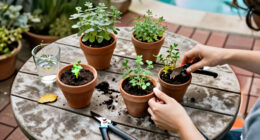
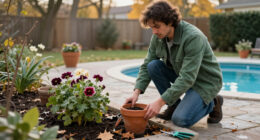
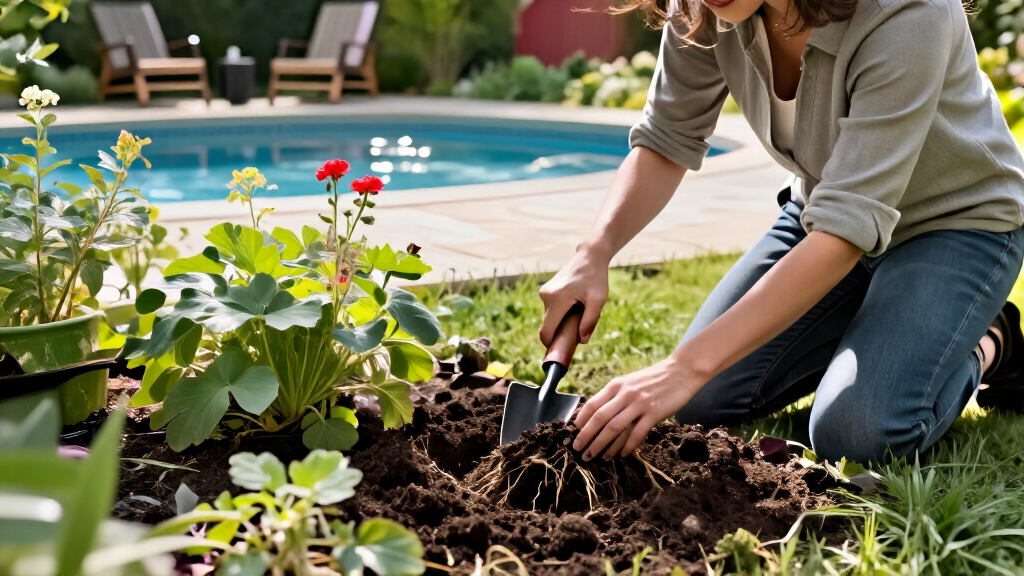
The report recommends choosing the new planting spot before digging so the division can go into the ground promptly. A spade or garden fork can lift the whole plant or cut away a section from its outer edge; a garden knife can help with tough, fibrous roots. Plant the division at its original depth, backfill the hole, firm the soil and water well. The guide advises against fertilizing at planting and recommends keeping the soil slightly damp, not waterlogged, while roots establish.
Daylilies, asters, bee balm, perennial geraniums, irises, hostas, peonies, sedum and ferns are among the examples the report describes as commonly easy to divide. It cautions that plants with deep taproots, including baptisia and lupines, and woody-based perennials such as lavender and Russian sage are generally poor candidates.
How Division Can Restore Garden Beds
For gardeners, dividing perennials is both a maintenance task and a way to renew crowded planting areas without buying additional plants. A division can fill a bare spot or be shared, while removing an overcrowded clump may give neighboring plants more room. The method also offers a practical response when a bed’s conditions change, such as when increasing shade affects a plant’s performance.
Timing and follow-up care matter because a divided plant must establish roots in its new location. The guide’s advice to avoid flowering and midsummer heat, plant promptly and water as needed is intended to limit stress. It also notes that results are not guaranteed: some plants take time to bloom again, and a transplant may fail even when handled carefully.
garden spade for dividing perennials
As an affiliate, we earn on qualifying purchases.
As an affiliate, we earn on qualifying purchases.
Seasonal Timing and Plant Suitability
The report identifies spring, as shoots begin to emerge, and fall, when temperatures are mild and rainfall is often plentiful, as suitable windows for many perennials. For fall work, it gives a practical deadline of roughly four to six weeks before the ground freezes locally so the division has time to put down roots. The exact calendar date depends on local climate.
Some gardeners favor dividing spring-flowering plants in fall and fall-flowering plants in spring. The report presents that as a rule some gardeners follow, not a requirement for every situation; its author says divisions made at other suitable times can do well if watered during establishment. The key exclusions given are plants that are currently flowering and midsummer conditions when heat can add stress.
“Divisions need to go into the ground ASAP for their best chance at surviving.”
— Country Living gardening report
As an affiliate, we earn on qualifying purchases.
Local Conditions Shape the Best Window
The report offers general seasonal guidance, not a date that works everywhere. It does not specify a location or climate zone, so gardeners need to judge when shoots are emerging, when heat has eased, and when the ground is expected to freeze locally. It also does not give a guaranteed survival rate or a fixed recovery period for all species.
Plant response varies. The guide says some perennials, including peonies, may take a few years to flower again after moving, and a division can fail despite careful handling. Its advice is general rather than a species-by-species schedule, so the best timing for a particular plant may depend on its condition and local growing conditions.
As an affiliate, we earn on qualifying purchases.
Prepare the Bed Before Digging
Before dividing, choose a suitable destination and gather a spade or fork, a garden knife if needed, and a cart or bucket to carry the plant. Check that the new site suits the plant and can be reached quickly; then lift or cut the division, replant it at the same depth and water it well. During establishment, check soil moisture and water during hot, dry spells when needed, without leaving the soil saturated.
After planting, allow time for recovery rather than expecting immediate flowers. The guide recommends letting the plant focus on root growth and being patient with slow-returning bloomers. Because climate and plant type affect timing, gardeners should use local conditions—not a single universal date—to decide when to divide.
As an affiliate, we earn on qualifying purchases.
Key Questions
When is the best time to divide perennials?
The report recommends early spring as shoots emerge or fall when temperatures are mild. In fall, aim for about four to six weeks before the ground freezes locally.
Which perennials should not be divided?
Deep-taproot plants such as baptisia and lupines, and woody-based perennials such as lavender and Russian sage, are described as poor choices. Avoid dividing any perennial while it is flowering or during very hot midsummer weather.
How should I replant a division?
Plant it promptly in a hole about two to three times the size of the division, at the same depth it was growing before. Backfill, firm the soil and water well; do not fertilize at planting, according to the report.
How often should I water a newly divided perennial?
Keep the soil slightly damp while the plant establishes, checking moisture and watering during hot, dry spells as needed. Avoid keeping the soil waterlogged.
Source: rss
Columbus Day / Indigenous Peoples' Day Picks
long weekend sales
As an affiliate, we earn on qualifying purchases.