
TL;DR

Get pool and patio gear delivered free with Prime
- Fast, free delivery on millions of items
- Prime Video, Amazon Music and more included
- Member-only deals all year
Monty Don shared an Instagram photo of the grass border at his Longmeadow garden, contrasting it with a more formal jewel garden. Ideal Home describes the planting as a low-maintenance approach that may provide shelter for wildlife, though the image does not confirm the border’s full plant list or its ecological effects.
Monty Don has shared a new Instagram photo of the grass border at Longmeadow, his garden in Herefordshire, prompting attention to a planting style that pairs ornamental grasses, foliage and seedheads. Ideal Home says the informal border may offer shelter to garden wildlife while requiring less upkeep than a more tightly managed planting scheme, although the photograph alone does not establish its ecological impact.
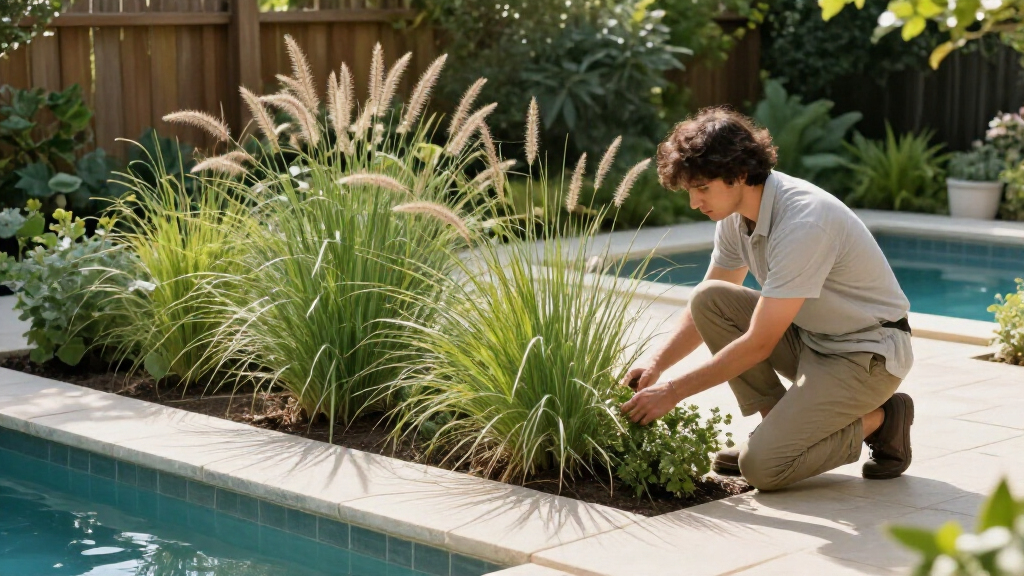
In the caption quoted by Ideal Home, Don wrote: “Grass borders to the right, jewel garden to the left.” The image shows a tall, loosely arranged planting area beside a more formal garden section. Ideal Home describes grasses and lingering flower heads rising above lower foliage, with a square support around some of the taller plants.
The report identifies Calamagrostis x acutiflora ‘Karl Foerster’ as one grass that could suit a similar border, noting it can reach up to 1.8 metres. It also mentions Anemanthele lessoniana, whose foliage can take on yellow, orange and red tones in colder months, and says the image appears to include the remaining heads of plume thistle, Cirsium rivulare ‘Atropurpureum’. These are suggestions and identifications from the report; the supplied material does not confirm a complete planting list from Don.
Ideal Home characterises the border as low-maintenance and potentially useful to insects, small mammals and amphibians because dense growth can provide cover. That is an interpretation of the planting and image, not a published wildlife survey. The article suggests the approach as inspiration for gardeners seeking a less formal border with seasonal structure.
A Border With Seasonal Shelter
The image offers a practical example of how a garden can retain height and texture after its main flowering period. Grasses and standing seedheads can keep a border visually active into autumn and winter, while leaving some plant material in place may create cover for wildlife. This contrasts with a design that depends on frequent cutting back or uniform edges.
For readers, the idea is not that every garden needs the same plants or layout. Rather, Don’s border illustrates a choice to combine structure with a more naturalistic appearance. Whether it is genuinely low-maintenance will depend on the site, the plants selected and the care they need once established. Its wildlife value will also vary with local conditions and what species use the garden.
Products Worth Considering

Ring Alarm 5-Piece Wireless Security System

Ring Alarm 14-Piece Wireless Security System

Ring Alarm 8-Piece Kit (2nd Gen) Home Security System
As an affiliate, we earn on qualifying purchases.
Longmeadow’s Two Garden Styles
The report frames the photo around the contrast Don describes: a grass border on one side and a jewel garden on the other. That juxtaposition helps explain why the planting looks informal rather than neglected: it sits alongside a deliberately more ordered area. The available source does not give a date for the Instagram post or additional details about the garden’s design history.
Ideal Home uses the image to discuss plants that can add height, colour and structure. Its examples include feather reed grass, pheasant’s-tail grass and tufted hairgrass. These are editorial recommendations for readers considering a similar look, not a confirmed inventory of the photographed border.
““Grass borders to the right, jewel garden to the left.””
— Monty Don, in the Instagram caption quoted by Ideal Home
Plant List And Wildlife Impact
The supplied report does not state when Don posted the photo, provide a complete list of plants in the border or include a response from Don about its upkeep. Some plant identifications are presented as what the border appears to contain, rather than as a confirmed inventory. It is also unclear which animals have been recorded there or whether the border has been assessed for its effect on local wildlife.
“Low-maintenance” is a description of the planting style in the report, not a measured comparison of labour or costs. The care a border needs can vary with soil, climate, plant maturity and the gardener’s chosen approach to pruning and clearance.
How Gardeners Can Apply The Idea
No further announcement or follow-up from Don is included in the supplied source. For gardeners interested in the look, the reported plant examples offer a starting point, but choices should reflect local growing conditions and the space available. Tall grasses may need room to grow, and some plants may need support or seasonal care.
Readers should treat the wildlife claims as a potential benefit rather than a guaranteed outcome. Leaving some stems and seedheads standing can create shelter, but the source provides no monitoring results for this particular border. Any further confirmation of its planting or wildlife use would depend on additional information from Don or a documented garden survey.
Key Questions
What did Monty Don share?
He shared an Instagram photo of the grass border at Longmeadow, captioned, “Grass borders to the right, jewel garden to the left,” according to Ideal Home.
Which plants does the report mention?
It suggests Calamagrostis x acutiflora ‘Karl Foerster’ and Anemanthele lessoniana, and says the border appears to include plume thistle seedheads. The source does not confirm a complete plant list.
Why might a grass border help wildlife?
Dense grasses and standing stems may offer shelter for insects and other small animals. The report does not provide survey data confirming wildlife use at Longmeadow.
Is the planting confirmed to be low-maintenance?
Ideal Home describes it as low-maintenance, but no maintenance records or comparison are provided. Actual care needs depend on the plants and growing conditions.
Source: idealhome.co.uk