TL;DR
Country Living’s fall gardening report recommends cutting back 11 perennial plants after frost or once their foliage has died, including bee balm, hostas and peonies. The advice varies by plant: some foliage should be discarded rather than composted, while true lilies should be left intact until frost kills it.
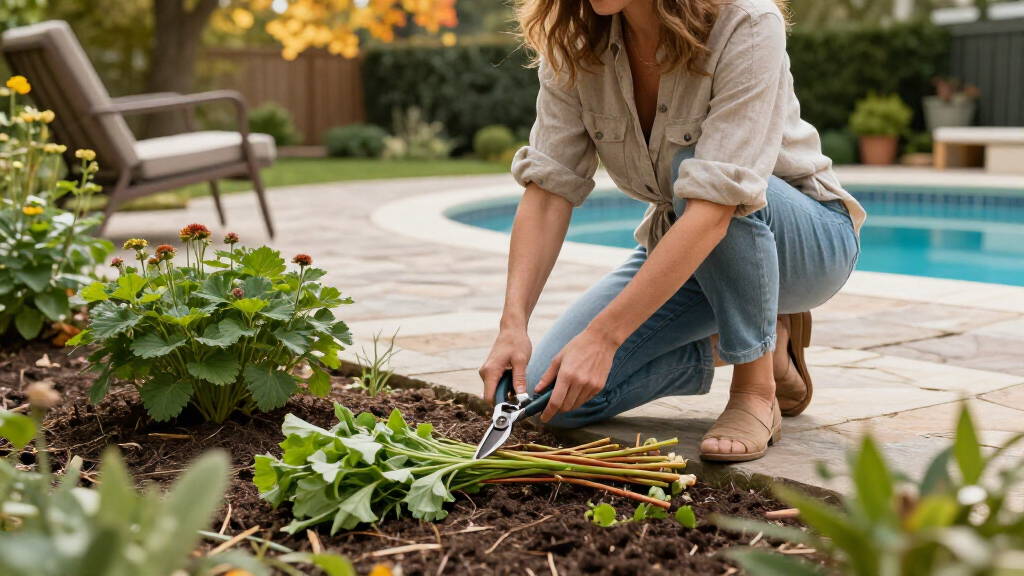
Country Living has outlined fall pruning guidance for 11 perennial plants, recommending that gardeners cut back many of them after frost to remove dead or disease-prone foliage before spring. The advice is not a blanket instruction to trim every plant immediately: true lilies should keep their foliage until frost has killed it, and several plants need specific care when cutting or disposing of leaves.

Get pool and patio gear delivered free with Prime
- Fast, free delivery on millions of items
- Prime Video, Amazon Music and more included
- Member-only deals all year
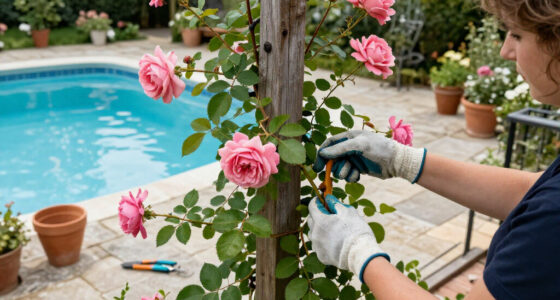
The report recommends cutting back bee balm and garden phlox after the first frost because both can be affected by powdery mildew. It advises removing diseased material and not composting it. For irises, it says to cut leaves down to the rhizome after frost and dispose of diseased foliage. Peony leaves should also be removed after a couple of frosts to reduce the risk of disease next year, according to the report.
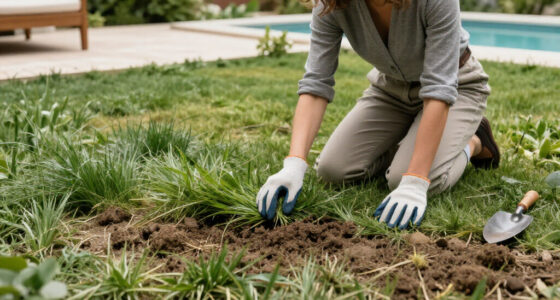
Some recommendations focus on tidying beds or removing places where pests may shelter. After frost has turned hosta leaves yellow and limp, Country Living advises cutting them to about 2 inches above the soil and discarding the leaves. It says dead hosta foliage may shelter slug eggs and rodents such as voles. Catmint can be cut to about 6 inches after frost; daylilies can be cleared of browned stalks and dead foliage after one or two frosts.
For other plants, the report advises trimming back veronica without cutting into its late-season basal foliage, and cutting yarrow to its new basal leaves. Spent columbine flower stalks and foliage may be removed after one or two frosts. True lilies are the exception to early cleanup: their leaves should remain until frost kills them because the plant uses the foliage to make food stored in the bulb for the following year’s blooms.
Timing Cuts Can Protect Spring Growth
The guidance matters because fall cleanup can affect both plant health and next season’s growth. Removing diseased leaves from susceptible plants may reduce material associated with fungal problems, while clearing dead hosta foliage can remove places where pests may shelter. The report also cautions against cutting living lily foliage too early, since it supports the bulb before winter.
These are plant-specific recommendations, not a universal calendar rule. Frost timing and plant condition determine when to act, and the suggested cutting heights differ. Gardeners who cut too soon or remove healthy basal leaves may not be following the advice given for those plants.
Products Worth Considering

Philips Hue Festavia 130-Foot Indoor/Outdoor Smart String Lights, 500 LEDs

Bose TV Speaker (2nd Gen) Compact Soundbar

Samsung 43-Inch M70H Series 4K Mini LED Smart TV (2026)
As an affiliate, we earn on qualifying purchases.
Frost Sets the Fall Pruning Schedule
The Country Living report organizes its recommendations around the first frost, or a couple of frosts, rather than a single date. Frost can leave some perennial foliage brown, limp or dead; for those plants, the article presents removal as a way to tidy the garden and, in some cases, reduce disease or pest risks.
The timing differs for true lilies. Their foliage should be allowed to die naturally after frost before it is cut back, because it continues making food for the bulb. The report does not provide a region-by-region frost calendar, so its timing must be interpreted alongside local conditions and the state of the plants.
Local Frost Dates Still Matter
The source provides general seasonal advice, but does not specify a date that applies across climates or explain how recommendations change by region. The report also does not quantify how much cutting back reduces disease or pest problems. Its guidance should therefore be understood as editorial gardening advice, not a guarantee of healthier plants or blooms next spring.
It is also not clear from the supplied report whether every cultivar within each named group responds identically. Gardeners with unusual varieties, persistent disease, or local extension guidance may need more specific advice before pruning.
Check Plants After Local Frost
Gardeners following the report can use local frost conditions and visible plant dieback to decide when to begin, then apply each plant’s instructions rather than cutting all perennials at once. Diseased material identified for disposal should be kept out of the compost pile, while true lily foliage should remain until frost has killed it.
As beds are cleaned up, gardeners can check plants for surviving basal growth and avoid cutting into it where the report says to preserve it. The source gives no later update or additional milestone; the next step is seasonal pruning as frost arrives, followed by observing plant health and growth in spring.
Key Questions
Should all 11 perennials be cut back after the first frost?
No. Timing varies by plant: some can be trimmed after the first frost, while daylilies and columbine may be cleared after one or two frosts, and peonies after a couple. True lilies should be left until frost has killed their foliage.
Which plants should not be composted?
The report says not to compost diseased bee balm, phlox or iris foliage. It also advises discarding hosta leaves rather than composting them.
How short should hostas and catmint be cut?
Country Living recommends cutting hostas to about 2 inches above the soil after their leaves die back, and catmint to about 6 inches after frost.
Why wait to cut back true lilies?
The leaves continue making food that is stored in the bulb for next year’s blooms. The report advises trimming them only after frost has killed the foliage.
Source: rss