
TL;DR

Get pool and patio gear delivered free with Prime
- Fast, free delivery on millions of items
- Prime Video, Amazon Music and more included
- Member-only deals all year
Homes & Gardens published a four-step guide to keeping citronella plants through winter in colder climates: bring them indoors before frost, prune them, provide bright light and water sparingly. The plant is hardy outdoors only in USDA zones 9–11, and its commonly promoted mosquito-repelling effect has not been proven.
Homes & Gardens has published a four-step guide to overwintering citronella plants indoors, advising gardeners in frost-prone areas to move plants inside, prune them, provide bright light and reduce watering. The guidance matters to people who want to keep the tender, scented-leaf pelargonium from year to year instead of treating it as an annual.
The guide identifies citronella as Pelargonium citrosum, a scented-leaf pelargonium with foliage that gives off a citrus-like smell when brushed or crushed. It says the plant is suited to outdoor overwintering only in US hardiness zones 9–11; elsewhere, gardeners can bring it inside for winter or grow it as an annual. Plants that have been growing in garden beds need to be dug up and potted before moving indoors.
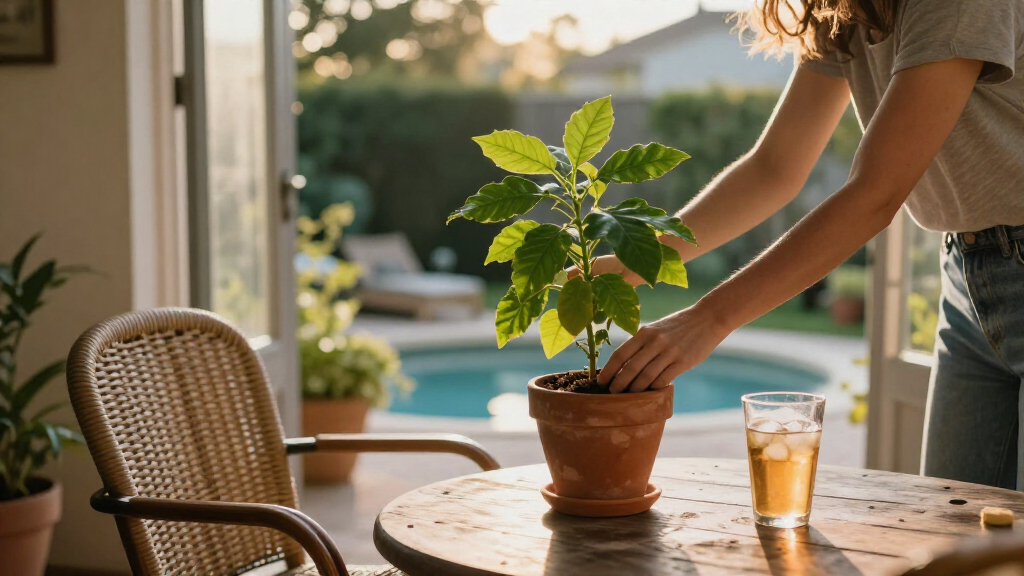
Timing depends on local conditions. Homes & Gardens recommends bringing plants inside when nighttime temperatures begin falling to 45°F, before frost can damage or kill them. For winter, it advises a bright, frost-free space kept around 45°F to 50°F, away from temperature swings caused by radiators, heating vents or air ducts.
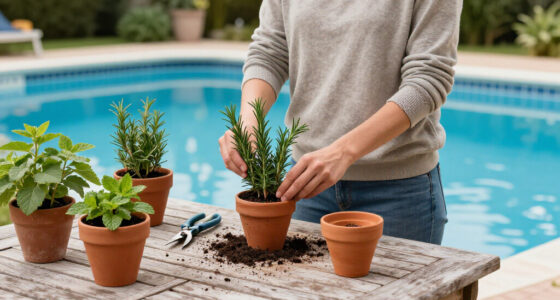
Once inside, the guide recommends cutting stems back by as much as half, using clean, sharp pruning shears and cutting just above a leaf node. It also says to inspect plants for pests or eggs before bringing them near other indoor plants. Citronella needs a sunny position, ideally receiving at least six hours of light daily; a full-spectrum LED grow light may supplement natural light if needed.
Keeping Citronella Through Winter
For gardeners in cold climates, overwintering offers a way to preserve a plant they have already grown and avoid buying replacements each summer. The guide describes this as a more sustainable approach than discarding plants at season’s end. It also gives readers practical cues for acting before frost, when leaving a tender plant outdoors could result in serious damage or loss.
The advice has limits: it is a seasonal care guide, not a report of tested outcomes or a guarantee that every plant will survive indoors. The source also cautions that citronella is toxic to humans and pets, so indoor placement should take household safety into account. Its mosquito-repelling reputation should not be confused with established evidence: the guide says that effect has not been proven.
Products Worth Considering

Philips Hue Festavia 130-Foot Indoor/Outdoor Smart String Lights, 500 Mini Color-Changing LEDs

Philips Hue Smart Light Starter Kit with Bridge and 4 White and Color A19 Bulbs

TCL 43-Inch 4K UHD Smart LED Roku TV (43S435, 2021 Model)
As an affiliate, we earn on qualifying purchases.
A Tender Pelargonium, Not a Hardy Perennial
Citronella is often sold or described as a “mosquito plant,” but the source distinguishes that marketing label from evidence. It says the strong citrus-like scent is released when foliage is touched, while the claim that the scent deters mosquitoes remains unproven. The plant is also valued for its textured leaves and delicate pink flowers.
Its hardiness helps explain the seasonal advice. In warmer areas within zones 9–11, it may survive outdoors as a perennial, with mulch helping protect roots. In colder regions, frost is a risk, so container-grown plants can be moved indoors, while plants in beds must first be lifted and potted. The guide suggests a cool greenhouse, conservatory, porch or bright south- or west-facing window as possible winter locations.
“The scent is thought to deter mosquitoes, but that has never been proven.”
— Homes & Gardens
Survival Depends on Indoor Conditions
The guide does not provide trial data or a survival rate for plants kept indoors, so it does not establish how often the method succeeds. Results may depend on conditions such as light, temperature, watering and pest management. It recommends watering only after the soil dries, noting that indoor plants may need water only every two to four weeks, but the interval is not a fixed schedule for every home or plant.
The source also does not establish that citronella repels mosquitoes. Gardeners should treat that benefit as unproven rather than rely on the plant for mosquito control. The supplied article text ends during its watering section, so it does not give further detail beyond its advice to soak the plant and wait for the soil to dry before watering again.
Watch Temperatures and Soil
As autumn nights cool, gardeners following the guide should monitor local forecasts and move plants indoors before frost, with 45°F nighttime temperatures serving as the stated warning point. After the move, they can prune and inspect each plant, select a bright, frost-free position and check soil moisture before watering. Those are the next steps described by the source; it does not announce a scheduled follow-up or report subsequent plant-survival results.
Key Questions
When should I bring citronella plants indoors?
Homes & Gardens recommends moving them inside as nighttime temperatures start falling to 45°F, and before frost. Check local forecasts, since conditions vary by location.
How much should I prune citronella for winter?
The guide says to cut the plant back by up to half, using clean, sharp shears and making cuts just above leaf nodes. It also recommends checking for pests before bringing the plant indoors.
How often should I water citronella indoors?
Water less often in winter and wait until the soil has dried before watering again. The guide says this may mean watering every two to four weeks, but actual needs depend on how quickly the soil dries.
Does citronella reliably repel mosquitoes?
The source says the mosquito-repelling effect has not been proven. The plant’s citrus-like scent is released when its leaves are brushed or crushed, but the guide does not establish that this prevents mosquito bites.
Is citronella safe to keep indoors around pets?
The guide says citronella is toxic to humans and pets. Keep it out of reach of children and animals, and consult an appropriate poison-control or veterinary service if exposure occurs.
Source: homesandgardens.com