
TL;DR

Get pool and patio gear delivered free with Prime
- Fast, free delivery on millions of items
- Prime Video, Amazon Music and more included
- Member-only deals all year
A Gardening Know How report outlines seven fall-care steps for azaleas and rhododendrons, including watering before the ground freezes, mulching, and avoiding heavy pruning. The advice is intended to protect roots and buds that can produce next spring’s flowers; needs vary between evergreen and deciduous types.
Gardening Know How has published seven fall-care tips for azaleas and rhododendrons, advising gardeners to protect existing flower buds and roots before winter. The checklist focuses on pruning selectively, stopping seasonal fertilizer, watering until the ground freezes, and reducing risks such as waterlogged soil and winter burn.
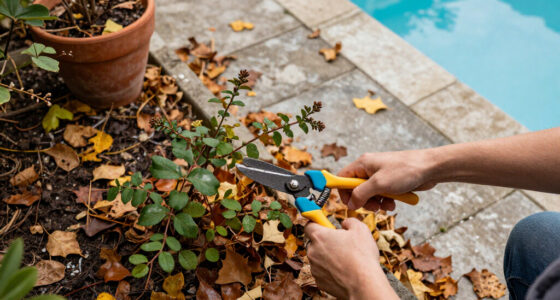
The report says many spring-blooming azaleas and rhododendrons set their flower buds during summer, so heavy fall pruning can remove buds intended to open next spring. It recommends reserving major shaping for after flowering and using fall pruning mainly to remove dead, damaged, or diseased branches with clean, sharp tools.
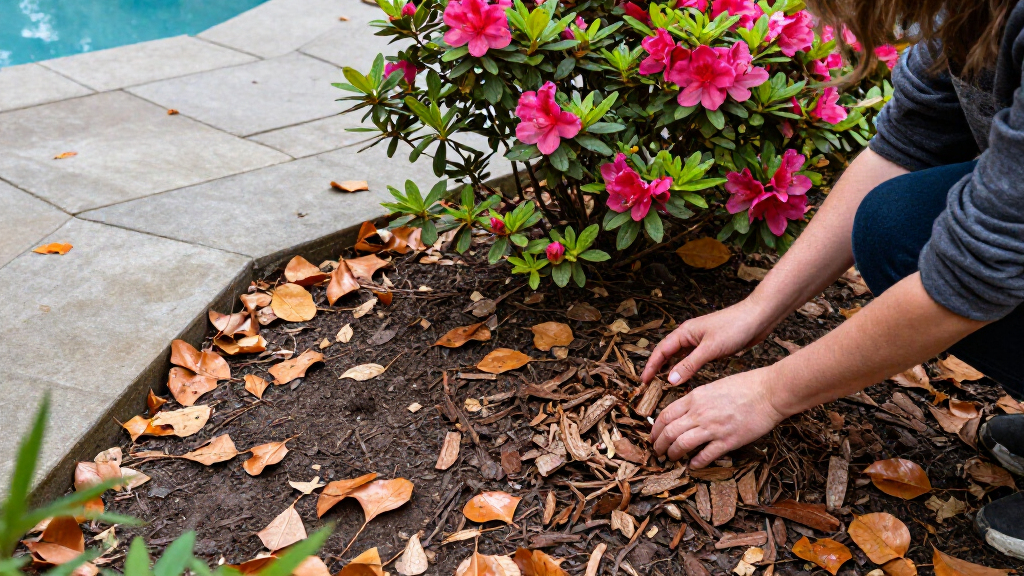
Other steps include ending fertilizer applications for the season, keeping soil moist during dry autumn weather until it freezes, and adding two to three inches of organic mulch over the root zone. The report advises keeping mulch a few inches from stems. It also recommends checking drainage: standing water or soil that stays soggy after rain can signal conditions associated with root rot and fungal disease.
For evergreen shrubs, the report highlights winter burn, which occurs when leaves lose moisture faster than roots can replace it, particularly when the ground is frozen and winds are cold and dry. A burlap windbreak placed on the wind-facing side may help, but should not touch the foliage. The source notes that evergreen and deciduous varieties have different winter needs.
Protecting Next Spring’s Flower Buds
The fall checklist matters because some of the work that determines spring flowering happens before winter begins. Flower buds are already formed on many of these shrubs, according to the report, so pruning at the wrong time can reduce the blooms gardeners expect. Moisture and root protection also affect how well plants withstand winter conditions.
The recommendations are practical rather than a guarantee of healthy plants or abundant flowers. Local climate, soil drainage, plant variety, and the severity of winter can all affect outcomes. The clearest takeaway is to avoid unnecessary late-season pruning and fertilizer, while checking each shrub’s soil and exposure before winter.
Products Worth Considering

Dyson Ball Animal 3 Extra Upright Vacuum

Ring Battery Doorbell and Chime (3rd Gen), Satin Nickel

Shark Rocket Pet Plus Corded Stick Vacuum, Bordeaux, HV322
As an affiliate, we earn on qualifying purchases.
Fall Care Depends on Plant Type
Azaleas and rhododendrons are closely related shrubs with broadly similar fall-care needs, but the source distinguishes evergreen and deciduous types. Evergreen foliage remains exposed to winter wind and can lose water even when frozen soil limits what roots can absorb. The report says keeping soil moist before freezing is less important for deciduous types.
The seven tips cover pruning, fertilizer, water, mulch, drainage, wind protection, and recognizing differences between plant types. The source recommends feeding primarily in spring after flowering, and says a soil test can help determine whether fertilizer is needed. It does not call for routine feeding of shrubs that are already healthy and thriving.
““Fall care before winter is essential for keeping these shrubs healthy and ready to bloom abundantly in spring.””
— Gardening Know How report
Local Conditions Shape Winter Risks
The report does not specify a single watering schedule or windbreak design for every garden. Soil, weather, and variety differ, and the appropriate amount of water depends on rainfall and how quickly a site drains. The source also does not provide a publication date or identify a particular region for the recommendations.
It remains unclear how much protection any individual shrub will need during a given winter. Signs such as standing water, prolonged sogginess, wilting, or yellowing can prompt a closer look, but the report does not offer a diagnosis for specific plants. Gardeners may need local horticultural advice if symptoms persist or drainage problems cannot be corrected.
Check Shrubs Before the Ground Freezes
Gardeners can use the remaining fall season to inspect shrubs, remove only dead or damaged branches, check soil moisture and drainage, and apply mulch without piling it against stems. Where evergreen plants face strong winter winds, the report suggests setting up a barrier before severe weather, leaving space for airflow around the leaves.
Once the shrubs flower in spring, gardeners can assess whether shaping is needed and consider fertilizer only if plant condition or a soil test indicates a need. The report’s guidance is general; gardeners should adjust care to local conditions and the needs of their particular plants.
Key Questions
Should I prune azaleas or rhododendrons in fall?
Avoid heavy pruning in fall, the report advises, because many spring-blooming varieties have already formed next season’s buds. Remove dead, damaged, or diseased branches, and do major shaping after flowering.
When should I stop watering these shrubs?
Keep soil moist during dry autumn weather and water as needed until the ground freezes, according to the report. Avoid leaving plants in poorly drained, waterlogged soil.
How much mulch should I apply?
The report recommends a two- to three-inch layer of organic mulch over the root zone. Keep it a few inches away from the stems to reduce the risk of trapped moisture and rot.
Do evergreen azaleas and rhododendrons need extra protection?
They can be vulnerable to winter burn from cold, dry winds, particularly when roots cannot take up water from frozen soil. The report suggests a windbreak on the exposed side, positioned so it does not touch the leaves.
Source: gardeningknowhow.com