
TL;DR

Get pool and patio gear delivered free with Prime
- Fast, free delivery on millions of items
- Prime Video, Amazon Music and more included
- Member-only deals all year
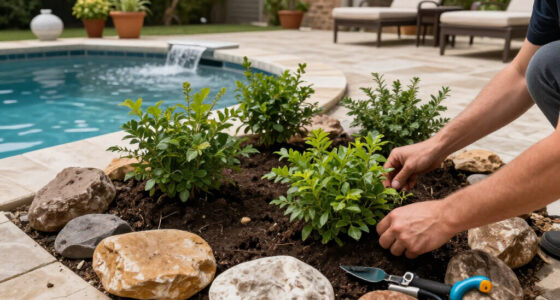
Homes & Gardens advises gardeners to check for animal damage in October and protect vulnerable plants before winter food becomes scarce. The report covers young trees and hedges, roses and evergreen shrubs, fruit trees, soft fruit bushes, vegetables and winter greens, bulbs, and perennials; recommended defenses include guards, mesh and fencing.
Homes & Gardens has identified seven groups of garden plants that may need protection from animals in October, when wildlife can have fewer natural food sources. The report recommends inspecting gardens for damage and using measures such as tree guards, mesh cages and fencing to protect vulnerable plants from browsing deer and gnawing rabbits and rodents.
The report’s recommendations cover young trees and newly planted hedges, which may be vulnerable before they establish; roses and evergreen shrubs; fruit trees; soft fruit bushes; vegetables and winter greens; bulbs; and perennials. It describes different risks across these groups: deer may browse leaves and branch tips or rub trunks, while rabbits, mice and voles can damage bark near ground level. Birds may also eat the overwintering buds of fruit bushes.
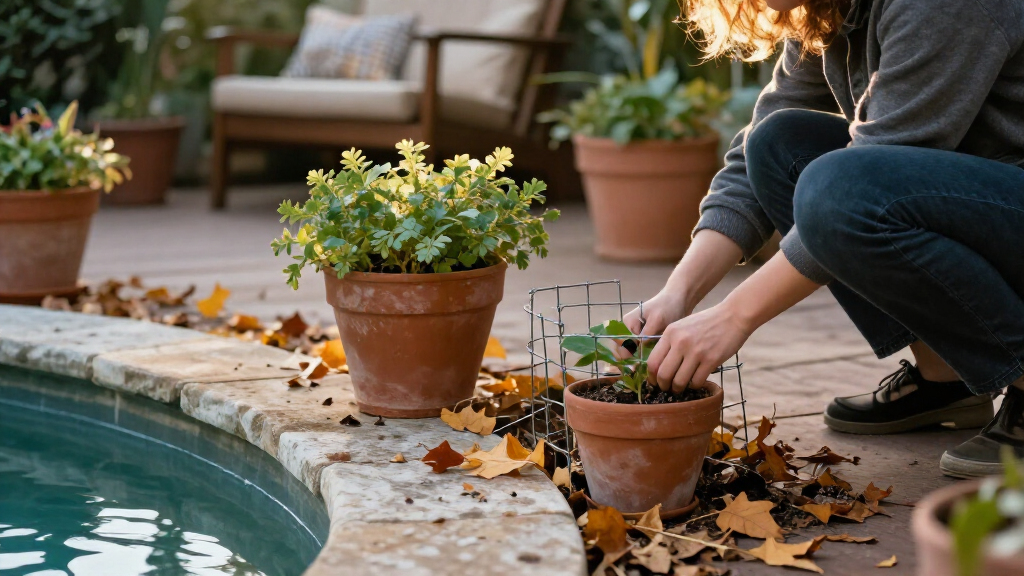
For young trees, permaculture designer Elizabeth Waddington of First Tunnels recommends a suitable tree guard or sturdy wire mesh cylinder. She says guards should be high enough for the animals present, securely anchored and checked so they do not rub against growing trunks. The report says taller fencing may be needed where deer browse, while landscaper Jacob Bradbury of Derbyshire Walling & Landscaping recommends protection at least 6 feet (1.8 metres) high around roses and evergreen shrubs in deer-affected areas.
For fruit trees, Bradbury advises spiral guards around new trunks to limit rabbit damage, or fencing an area with mesh at least 4 feet (1.2 metres) high, with the bottom 6 inches buried. For soft fruit, Waddington suggests fruit cages; the report also describes fencing cultivated beds with hardware cloth or chicken wire. These are expert recommendations reported by Homes & Gardens, not guarantees that a particular barrier will prevent all animal damage.
Protecting Plants Before Winter
Animal damage can be more than cosmetic, particularly for young trees and fruit trees. The report says gnawing around a tree’s base can kill it, while damage to a newly planted tree may set back its establishment. Protecting vulnerable plants before wildlife begins relying more heavily on gardens can help preserve years of growth and future shelter, food and habitat.
The advice also distinguishes protection from attempting to exclude wildlife altogether. Waddington argues for balancing plant protection with space for wildlife, rather than treating every animal as a pest. For readers, the practical point is to identify which plants are most exposed, then choose a targeted barrier suited to the animal and the plant.
garden plant animal protection guards
As an affiliate, we earn on qualifying purchases.
As an affiliate, we earn on qualifying purchases.
Why October Raises Garden Risks
The report links the seasonal risk to declining food availability as autumn advances and winter approaches. Deer that went relatively unnoticed in spring and summer may enter gardens to feed, while rabbits and small rodents also face a harder search for food. Snow or ice can cover other vegetation and make shrubs and accessible branches more attractive.
Homes & Gardens presents the guidance as seasonal garden advice and draws on comments from Waddington and Bradbury. It does not provide a survey of wildlife damage or data on how often the listed plants are affected. The plant groups are described as potential targets, with actual risk depending on local wildlife, garden layout and available food.
“The aim is not to keep every creature out of the garden. It is to find a balance: protecting the plants we particularly value while making room for wildlife to be part of a healthy, productive landscape.”
— Elizabeth Waddington, permaculture designer at First Tunnels, quoted by Homes & Gardens
As an affiliate, we earn on qualifying purchases.
Local Risk Varies by Garden
The report does not quantify how likely each plant group is to be damaged, or how much protection is needed in different regions. Wildlife activity varies by location, and the advice does not establish that every garden will face the same pressure. The report also does not give detailed recommendations for all seven plant groups in the supplied material, so readers should treat the list as a seasonal checklist rather than a universal ranking.
It is also unclear which barrier will work best in a particular garden without knowing the animals present, the plant’s size and the site conditions. The report recommends checking guards regularly but does not specify a single inspection schedule.
As an affiliate, we earn on qualifying purchases.
Inspect and Protect at Home
The next step for gardeners is to walk the garden and look for existing damage, paying particular attention to young trunks, newly planted hedges, shrub tips and cultivated beds. Where a risk is evident, the report advises selecting a suitable guard, cage or fence, installing it securely and checking it as plants grow. Gardeners can also leave some areas undisturbed and grow a range of plants, as Waddington recommends, while protecting specimens they particularly value.
Homes & Gardens does not announce a follow-up study or a formal deadline. The advice is tied to the seasonal move into colder weather, so any specific action depends on local conditions and the plants a gardener is trying to protect.
As an affiliate, we earn on qualifying purchases.
Key Questions
Which plants does the report say may need protection?
It lists young trees and hedges, roses and evergreen shrubs, fruit trees, soft fruit bushes, vegetables and winter greens, bulbs, and perennials as plant groups to check for potential animal damage.
What animals are named as potential sources of damage?
The report discusses deer, rabbits, mice and voles, and says birds such as bullfinches and pigeons may strip tender buds from fruit bushes.
How can gardeners protect young trees?
Waddington recommends a suitable tree guard or sturdy wire mesh cylinder. It should be high enough for local animals, anchored securely and checked so it does not rub against the trunk as the tree grows.
How tall should protection be against deer?
Bradbury recommends protection at least 6 feet (1.8 metres) high for roses and evergreen shrubs where deer are a problem. The report also says taller fencing may be needed for deer around young trees; the appropriate height depends on the site.
Does the advice mean gardeners should keep all wildlife out?
No. Waddington says the aim is to protect valued plants while making room for wildlife as part of a healthy landscape. The report presents barriers as targeted protection, not a recommendation to exclude every animal.
Source: rss
Halloween Picks
halloween
As an affiliate, we earn on qualifying purchases.