
TL;DR

Get pool and patio gear delivered free with Prime
- Fast, free delivery on millions of items
- Prime Video, Amazon Music and more included
- Member-only deals all year
A Homes & Gardens report advises against bringing seven hardy plants indoors or sealing them under plastic for winter. Many need outdoor cold or a dormant period, though climate, drainage and container exposure can change how much protection is appropriate.
Homes & Gardens has advised gardeners not to bring seven hardy plants indoors or cover them tightly for winter, because many need outdoor cold or a dormant period to flower or return well the following year. The report names tulips, daffodils, peonies, hostas and garlic, and says the right approach depends on the plant, local hardiness zone, drainage and whether it is growing in a pot.
The report’s central advice is to avoid treating every plant as though it needs warmth or a sealed cover. For some plants, winter cold is part of the normal growing cycle. Tulip bulbs need a sustained cool period for strong flowering, while daffodils generally also need cold to develop flowers. The article says warm indoor conditions can prompt tulips to grow too early, and wet, stagnant soil can contribute to bulb rot.
Several of the plants listed naturally die back or become dormant. Herbaceous peonies lose their above-ground growth while their roots rest; hostas die back after frost and return from their crowns in spring. The report advises letting peony foliage finish before cutting herbaceous types back, and allowing daffodil leaves to yellow naturally so bulbs can replenish themselves. It cautions that tree peonies have different pruning needs.
Garlic is planted outdoors in fall, with hardneck types particularly benefiting from winter cold as bulbs develop. The article recommends light straw mulch after the soil cools rather than bringing cloves inside or using a thick, airless covering. It also says cold exposure is not the only concern: waterlogged soil, poor drainage and the faster freezing of pots can call for adjustments.
Why Winter Dormancy Matters
The guidance matters to gardeners deciding what to move, cover or cut back as temperatures fall. Overprotection can disrupt seasonal dormancy, encourage premature growth or create damp conditions associated with rot. Leaving suitable plants outside can support their normal cycle rather than shielding them from cold they are adapted to experience.
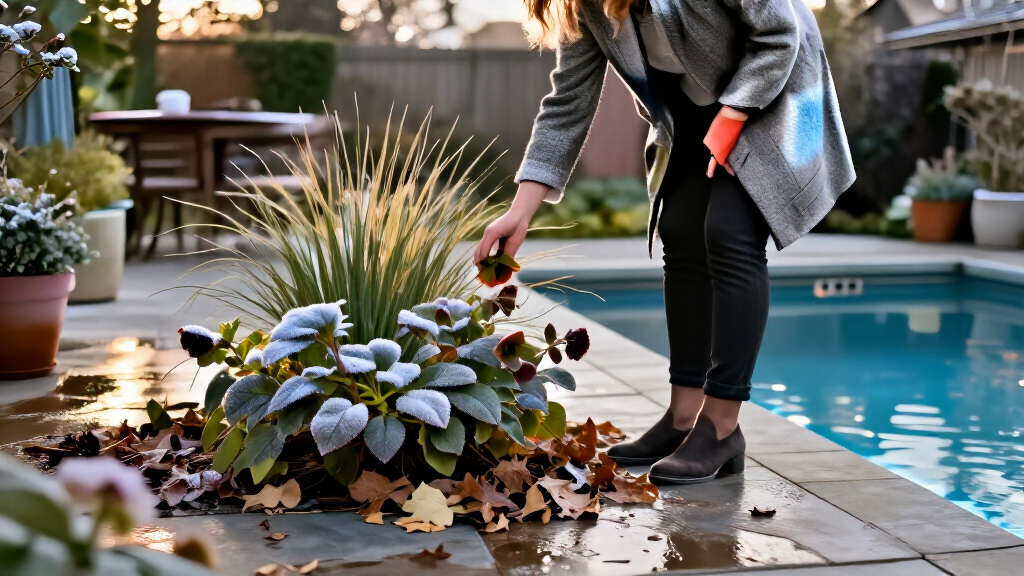
The advice is not a rule to leave every plant completely exposed. A plant in a container may face greater risk because its root ball freezes faster than soil in a garden bed. The report suggests sheltering pots in some conditions, while keeping plants dormant; it also notes that newly planted peonies or plants exposed to severe freeze-thaw cycles may benefit from a light, loose mulch. The practical distinction is between protecting vulnerable roots and preventing dormancy.
hardy tulip bulbs for outdoor planting
As an affiliate, we earn on qualifying purchases.
As an affiliate, we earn on qualifying purchases.
Advice Varies by Plant and Zone
The report frames its recommendations around plant type and USDA hardiness zones, not a single calendar date that applies everywhere. It says October is a common tulip planting period in Zones 3–7, while gardeners in Zones 8–10 should select varieties suited to mild winters and follow bulb suppliers’ chilling advice. Garlic planting timing also varies, with October or November typical in colder areas and later planting possible in warmer regions.
For daffodils in warm climates, the article recommends types known to perform with less chilling or pre-chilling when a grower advises it. It describes hostas as hardy across many varieties in Zones 3–9, but distinguishes garden beds from exposed containers. These examples show why local temperatures, drainage and growing conditions matter alongside general plant-care guidance.
As an affiliate, we earn on qualifying purchases.
Limits of the General Advice
The source is a gardening report, not a plant-specific forecast or a guarantee of results. It does not establish one protection plan for every cultivar, garden microclimate or winter. Exact timing and cold tolerance vary, and the supplied material does not name all seven plants in the headline: it includes details for tulips, daffodils, peonies, hostas and garlic, but the remaining two entries are not present.
It is also not clear from the material how severe a freeze must be before a particular container needs shelter, or what mulch depth is right for every planting. Gardeners should check plant labels and regional guidance, especially in unusually warm or cold locations, and avoid interpreting “don’t winterize” as a reason to ignore waterlogging or exposed pots.
garden mulch for winter protection
As an affiliate, we earn on qualifying purchases.
As an affiliate, we earn on qualifying purchases.
Check Conditions Before Covering Plants
As temperatures drop, gardeners can identify each plant, check whether it is in the ground or a container, and confirm its cold needs with a reliable regional source or the supplier. Keep soil drainage in view, let dormant foliage follow its natural cycle where appropriate, and use loose, limited protection only when the plant’s situation calls for it. The supplied report does not provide a further update or a scheduled follow-up; specific decisions remain dependent on local conditions.
plant protection for potted perennials
As an affiliate, we earn on qualifying purchases.
As an affiliate, we earn on qualifying purchases.
Key Questions
Which plants does the report say generally should not be brought indoors for winter?
The supplied report names tulips, daffodils, peonies, hostas and garlic. Although its headline refers to seven plants, the source material provided here contains care details for only those five.
Why do tulips and daffodils need cold weather?
The report says tulips need a sustained cool period to flower well, and most daffodils need cold to develop flowers. Requirements vary by variety and climate; gardeners in warm areas should follow supplier advice on suitable types or pre-chilling.
Should all potted hostas be left outside?
No single answer fits every pot and location. The report says containers can freeze faster than garden soil; in colder zones, a pot may be placed by a sheltered wall or in an unheated garage so the hosta remains dormant.
Does the advice mean gardeners should never use mulch?
No. The article recommends light, loose mulch in some cases, including over fall-planted garlic after the soil cools and around newly planted peonies exposed to severe freeze-thaw cycles. It warns against dense, soggy coverings that can trap moisture.
Source: rss
Fall Picks
fall essentials
As an affiliate, we earn on qualifying purchases.