TL;DR

Get pool and patio gear delivered free with Prime
- Fast, free delivery on millions of items
- Prime Video, Amazon Music and more included
- Member-only deals all year
Amateur Gardening editor and resilient-gardening expert Kim Stoddart has outlined seven free ways to protect and nourish garden soil, including disturbing it less, keeping roots in the ground, sowing green manures and using homemade or readily available mulches. The advice is intended to support soil structure and life, which the report says can help gardens cope with more extreme weather; it does not provide measured results for the methods.
Amateur Gardening has published a guide by editor and resilient-gardening expert Kim Stoddart describing seven no-cost ways to protect and nourish garden soil, from leaving it largely undisturbed to covering bare ground with homemade compost, leaves or grass clippings. The advice focuses on autumn soil care and aims to help gardens retain fertility and handle weather extremes, though the report does not provide measurements showing the results of these practices.
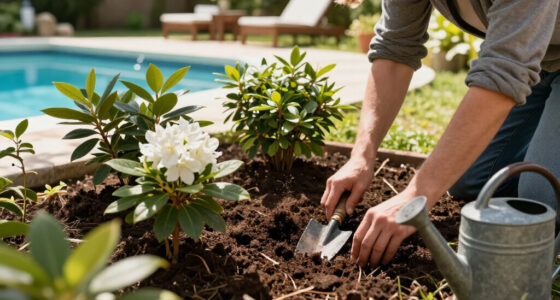
Stoddart’s first recommendation is to disturb soil as little as possible, using no-dig practices to preserve its structure. The report says loose, freshly dug soil may be more vulnerable to heavy rain washing fertility away than undisturbed ground. It also advises gardeners to leave stems and roots in the soil after harvesting when practical, because they can help bind the ground. Pea and bean plants, members of the legume family, can also contribute nitrogen to soil, according to the guide.
For bare patches, Stoddart suggests allowing non-invasive weeds to grow, applying mulch or sowing green manures. Options named in the report include field beans, which fix nitrogen, and phacelia, which can be cut back before it sets seed. The guide also names poached egg plant, previously recommended by gardener Bob Flowerdew. It advises lightly raking the surface before sowing, adding a thin layer of peat-free multipurpose compost and watering if needed.
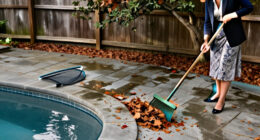
The four main free mulch categories in the article are homemade compost, leaves and leaf mould, grass clippings, and other locally available materials. Stoddart recommends applying grass clippings in a thin layer and letting them dry. Leaves can be spread over beds to protect soil and encourage earthworm activity, but may need to be held down in windy conditions. Other suggested materials include cut foliage left to break down, cardboard, sheep wool and seaweed gathered locally where available.
How Soil Care May Help Gardens
The recommendations matter to gardeners because the report links healthy soil structure and organic matter with the ground’s ability to absorb rain and retain fertility. Keeping soil covered and rooted may reduce exposure to weather and help preserve the organisms that contribute to soil life. Those are the practical aims behind the guide’s emphasis on low-cost materials rather than purchased products.
Stoddart also connects regenerative and organic growing methods with the potential nutritional quality of home-grown crops. The article says research into nutrient density is ongoing and that organic growing, no-dig methods and mulching appear to produce the best results. It does not cite particular studies or establish that these methods improve the nutritional value of a specific crop, so that point should be read as a qualified claim, not a settled finding.
As an affiliate, we earn on qualifying purchases.
The Autumn Soil-Care Advice
The guide is framed around autumn, when harvested beds may otherwise be left bare and fallen leaves can be put to use. Its central approach is to treat soil as a living system, supporting microbial activity and protecting the structure rather than repeatedly digging or leaving ground exposed. The source describes soil life as important to plant growth, while acknowledging that the processes beneath the surface are not fully understood.
Stoddart’s seven methods are presented as practical gardening advice, not as findings from a new experiment. The report draws on her experience and names specific examples, including Flowerdew’s recommendation of poached egg plant. It also notes that leaves used as mulch may not have fully broken down by spring; gardeners can then move them to a leaf-mould pile.
“The beating heart of an organically-grown garden is its soil.”
— Kim Stoddart, Amateur Gardening editor and resilient-gardening expert
As an affiliate, we earn on qualifying purchases.
Evidence Behind the Gardening Claims
The source does not provide controlled trial results, measurements of soil improvement or comparisons between the seven methods. It also does not quantify how much any one practice might reduce rain-related fertility loss or improve a garden’s ability to withstand extreme weather. Stoddart’s guidance is practical advice grounded in gardening experience, and individual results may vary with soil, climate and materials.
The article refers broadly to research into nutrient density but does not identify studies, crops or findings. Its suggestion that organic, no-dig and mulching methods may improve crop quality is therefore not established in the report as a proven health benefit. Availability and suitability of materials such as seaweed or sheep wool will also differ from one garden to another.
As an affiliate, we earn on qualifying purchases.
Applying the Advice This Autumn
The next step for readers is to choose methods suited to their plots: leave roots in place where practical, cover bare ground, or use available leaves, compost and other materials as mulch. The guide advises securing loose leaves if wind is forecast and keeping grass clippings to a thin layer. Gardeners considering seaweed or other locally gathered materials should check local rules and conditions before collecting them.
The source announces no follow-up study or formal evaluation. It directs readers to Amateur Gardening for more gardening advice and magazine information. Any assessment of how these practices affect soil or harvests would depend on results over time, which the article does not report.
As an affiliate, we earn on qualifying purchases.
Key Questions
What are the seven free methods in the guide?
The guide recommends disturbing soil less, leaving roots and stems in place where practical, sowing green manures, and using four mulch categories: homemade compost; leaves or leaf mould; grass clippings; and other materials such as cut foliage, cardboard, sheep wool or locally gathered seaweed.
Which green manures does Kim Stoddart suggest?
The article names field beans and phacelia, and also mentions poached egg plant, which gardener Bob Flowerdew has recommended. It says phacelia can be cut back before it sets seed.
Can leaves be used directly on garden beds?
Yes. Stoddart says leaves can be spread over beds as mulch to protect the ground and encourage earthworm activity. They may not have fully broken down by spring, and the guide suggests weighing them down, for example with cardboard and bricks, if windy weather is expected.
Does the report prove that these methods make crops more nutritious?
No. The report says research into nutrient density is ongoing and suggests organic, no-dig growing and mulching may produce better results. It does not cite specific studies or establish a measured nutritional benefit.
Source: rss
Columbus Day / Indigenous Peoples' Day Picks
long weekend sales
As an affiliate, we earn on qualifying purchases.