
TL;DR

Get pool and patio gear delivered free with Prime
- Fast, free delivery on millions of items
- Prime Video, Amazon Music and more included
- Member-only deals all year
Country Living has published a guide to seven shrubs that can add berries and visual interest to gardens in winter. The list includes winterberry holly, juniper, chokeberry, snowberry, viburnum, beautyberry and the warm-climate hybrid Pyracomeles; the report also flags differences in pollination, plant size and growing conditions.
Country Living has published a guide to seven shrubs with winter fruit, highlighting options that can bring color to a garden after many plants have lost their leaves. The selection ranges from native shrubs such as red chokeberry and snowberry to evergreen juniper and a hybrid recommended for warm climates, with the article noting that pollination needs and mature size vary by plant.
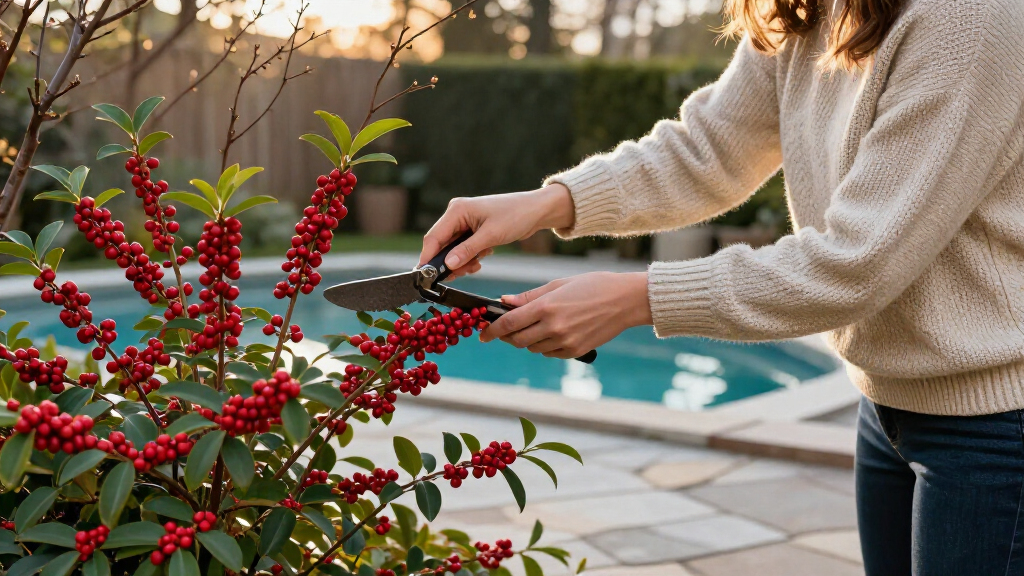
The guide lists winterberry holly (Ilex verticillata), juniper (Juniperus species), red chokeberry (Aronia arbutifolia), snowberry (Symphoricarpos species), viburnum (Viburnum species), beautyberry (Callicarpa species) and Pyracomeles, a hybrid of Pyracantha and Osteomeles. Their fruit colors include red, pale gold, white, pink, blue and purple. Juniper’s blue “berries” are seed cones, not true berries, according to the article.
Several entries offer more than winter fruit. The report says red chokeberry produces white spring flowers and red autumn foliage, while many viburnums have spring flowers and colorful fall leaves. Beautyberry is described as having purple fruit that persists into winter; the article says it does not need a pollinator to set fruit. The Pyracomeles variety ‘Berry Box’ is described as an evergreen with white spring flowers, orange fruit in fall and red fruit in winter, and as suited to warm climates.
The article advises checking labels before purchasing. Winterberry holly needs male and female plants for fruit production, and many junipers also have separate male and female plants; some juniper varieties do not produce cones. The guide also cautions that some viburnums grow very large, while newer cultivars may remain near five feet tall and wide. It names ‘Berry Poppins’ as a compact winterberry and ‘Sparkler’ and ‘Glitters & Glows’ as viburnum choices with blue-black berries.
Winter Color Depends on Plant Choice
Winter fruit can add color and structure when deciduous shrubs are bare, giving gardeners options beyond evergreen foliage. The varieties in the guide differ in appearance and growing requirements, so the list is useful as a starting point rather than a one-size-fits-all planting plan. Pollination, climate and eventual size can determine whether a shrub produces fruit and fits the available space.
The report also points to potential value for wildlife: it says birds eat the fruit of winterberry, juniper, red chokeberry and other listed shrubs. That does not establish that every plant will attract the same birds in every location. Gardeners should check local conditions and plant information, especially where fruit is being selected with wildlife in mind.
Products Worth Considering

Roborock Q7 L5 Robot Vacuum and Mop Combo, 8,000 Pa Suction

eufy C28 Robot Vacuum and Mop with HydroJet Roller and 15,000 Pa Suction

Bose Lifestyle Ultra Soundbar and Ultra Subwoofer Bundle
As an affiliate, we earn on qualifying purchases.
Seven Shrubs, Different Growing Needs
The source is a Country Living gardening report focused on winter interest rather than a trial comparing plant performance. It describes a mix of deciduous and evergreen shrubs, several native to North America, and includes named cultivars alongside broader plant groups. The recommendations therefore cover a range of garden situations, but the source does not provide a single planting plan or region-by-region suitability chart.
Some details are especially relevant before buying. Winterberry is a deciduous holly, and the guide says fruit requires a male and female plant. By contrast, it says beautyberry does not need a pollinator to set fruit. Junipers vary: many have separate sexes, and not all varieties produce cones. The article urges readers to check specific plant descriptions for these distinctions and for the mature dimensions of viburnums.
“Holly needs a male and a female plant to produce berries.”
— Country Living report
Local Suitability Still Varies
The report does not give a publication date, growing-zone recommendations, soil pH guidance or detailed care instructions for each shrub. It also does not compare fruit persistence or wildlife use across different climates. The descriptions should not be read as a guarantee that a plant will fruit in every garden: pollination requirements, cultivar, climate and site conditions can affect results. The source specifically flags warm climates for Pyracomeles, but does not define a temperature range.
Its general descriptions of toughness and deer resistance are not accompanied by test data or local qualifications. Prospective buyers should consult the nursery’s plant label or a local horticultural service for suitability, mature size and any pollination partner needed.
Check Labels Before Planting
There is no announced follow-up to the report. For gardeners using the list, the next step is to match a shrub to local conditions and available space, then verify its mature size and fruiting needs before purchase. For winterberry and many junipers, confirm pollination requirements; for viburnum, check whether the selected cultivar will outgrow its planting location. In warm regions, confirm that Pyracomeles is appropriate for the local climate.
Key Questions
Which shrubs does the report recommend for winter berries?
Country Living lists winterberry holly, juniper, red chokeberry, snowberry, viburnum, beautyberry and Pyracomeles. Juniper’s blue structures are seed cones rather than true berries.
Do winterberry holly plants need a pollinator?
Yes. The report says winterberry needs a male and a female plant to produce berries. Check the cultivar and nursery description to select compatible plants.
Which shrub on the list does not need a pollinator to set fruit?
The article says beautyberry does not need a pollinator to set fruit. It describes the shrub as producing purple berries that can persist into winter.
Are all the listed shrubs suitable for small gardens?
No. The report warns that some viburnums can grow very large, though it names newer cultivars that may reach about five feet tall and wide. Check the specific plant’s mature dimensions before planting.
What should gardeners verify before buying?
Check local climate suitability, mature size and whether the chosen variety needs a pollination partner. The source particularly flags pollination differences among winterberry holly and junipers, and says Pyracomeles is suited to warm climates.
Source: countryliving.com