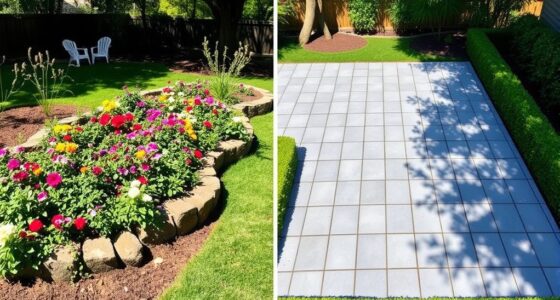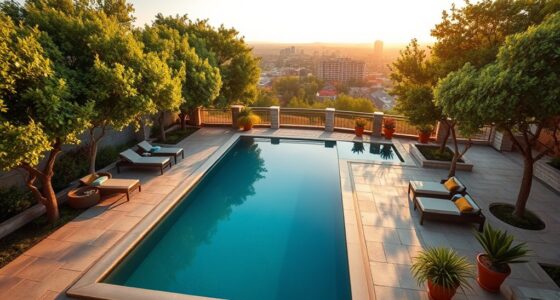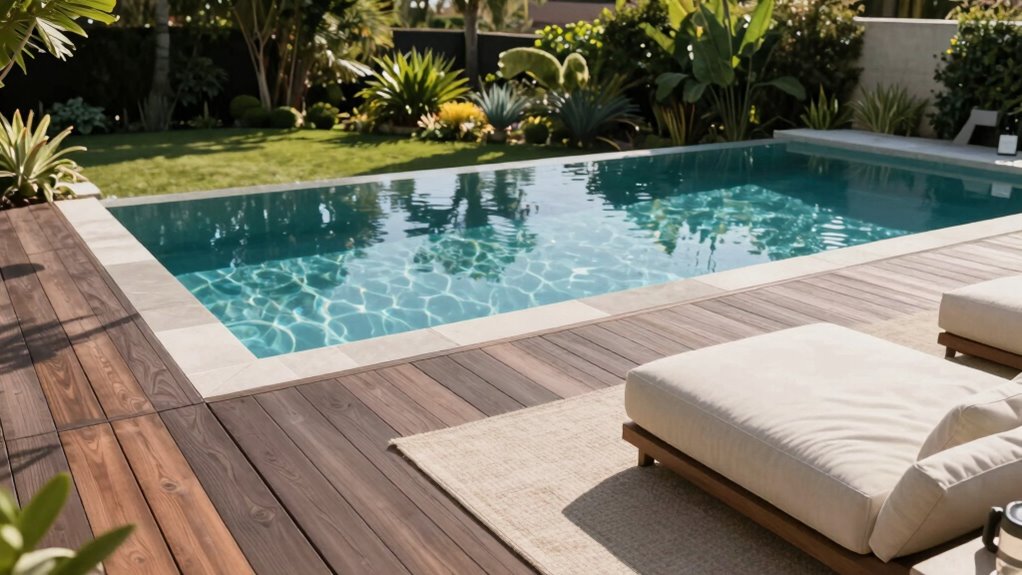

When planning your pool deck, keep at least 4 feet of clearance around the pool for safety, comfort, and accessibility. Larger spaces reduce slips, falls, and injuries, while allowing room for furniture, gathering, and future expandability. Choosing durable materials and working with professionals can guarantee long-lasting safety and style. Striking the right balance between safety, functionality, and design can create an inviting outdoor space you’ll enjoy for years—keep exploring to find out more.
Key Takeaways
- Maintain at least 4 feet of clearance around the pool for safety and easy movement.
- Larger deck areas improve safety, accommodate furniture, and support outdoor activities effectively.
- Material selection impacts durability, safety, and overall aesthetics of the poolside space.
- Consider future needs and potential expansion when planning deck size and layout.
- Professional installation ensures compliance with safety standards and enhances long-term durability.
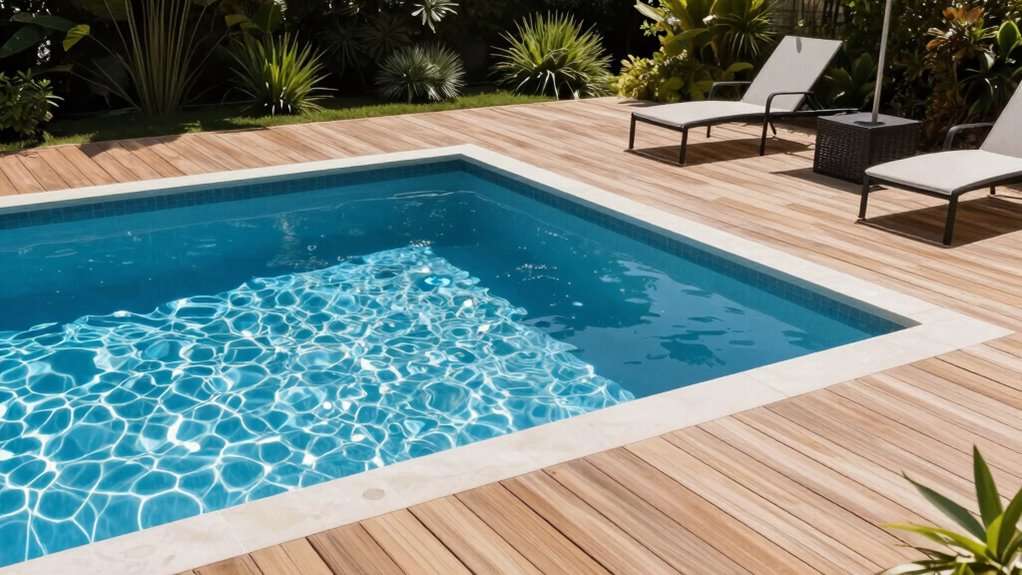
Have you ever wondered how much deck space you should allocate around your pool? Determining the right amount of space isn’t just about aesthetics; it’s about safety, comfort, and functionality. A well-planned deck ensures that you and your guests can enjoy the pool area without feeling cramped or risking accidents. When contemplating deck space ratios, it’s essential to prioritize pool safety. You want enough room to move freely, walk around, and access all parts of the pool comfortably. This prevents slips and falls, especially when surfaces are wet. Regulations and safety guidelines often recommend a minimum clearance of at least 4 feet around the pool, but more space is usually better, especially if you entertain or have children. The extra room allows for safe entry and exit, prevents overcrowding, and minimizes the risk of injuries. Additionally, considering clearance requirements can help ensure your setup complies with safety standards and provides ample space for all users. Material durability plays a significant role in how much deck space you should allocate. The materials you choose—whether concrete, wood, pavers, or composite—each have different longevity and maintenance needs. Durable materials withstand weather, UV exposure, and heavy foot traffic, which means you may want to allocate slightly more space to accommodate larger furniture, lounge chairs, or even outdoor kitchens. If you opt for softer or less resilient materials, you might need to consider additional reinforcement or slightly larger clearances to prevent damage and ensure safety. Choosing the right material for your deck can also influence the overall design and feel of your pool area. The goal is to create a space that remains functional and attractive over time, so taking material durability into account helps you plan for the long term. Furthermore, the ratio of deck space should align with how you envision using the area. If you plan to host gatherings or want a dedicated zone for seating and dining, you’ll need more space than if the area is primarily for lounging and swimming. It’s also beneficial to consider future expansion possibilities to adapt your space as your needs evolve. Think about the size of furniture and how many people you expect to accommodate comfortably. It’s wise to allocate extra room for movement and to prevent clutter. Additionally, researching professional installation options can ensure your deck is built to last and meets safety standards. Remember, a larger deck space around your pool not only enhances safety and durability but also boosts the overall enjoyment of your outdoor retreat. Proper planning for deck space ratios can significantly influence the safety, functionality, and aesthetic appeal of your poolside environment, making sure it meets both current and future needs. By balancing these considerations, you’ll create a poolside environment that’s both safe and inviting, tailored perfectly to your needs.
As an affiliate, we earn on qualifying purchases.
Frequently Asked Questions
How Do Local Building Codes Influence Deck Space Ratios?
Local building codes influence your deck space ratios by enforcing zoning restrictions and setback requirements. These rules determine how close your deck can be to property lines and specify minimum distances from the pool for safety and compliance. You need to check with your local authorities to make certain your deck design adheres to these regulations. Ignoring them could lead to costly adjustments or legal issues, so always stay within the prescribed limits.
What Materials Are Best for Maximizing Deck Space Around Pools?
Imagine stepping onto a sleek, durable deck that perfectly complements your pool’s shimmering water. Opt for composite materials, like capped wood or PVC, which resist moisture and fading, or natural hardwoods for a warm, inviting look. Concrete pavers and stamped concrete also work well, offering versatility and style. Consider your aesthetic preferences and maintenance needs to choose deck material options that maximize space and enhance your outdoor oasis.
Are There Safety Standards for Deck Space Near Pools?
Yes, safety standards require you to leave enough deck space around your pool for safe access and movement. You should guarantee there’s ample room for poolside furniture and lighting arrangements without crowding. This helps prevent accidents and allows easy emergency access if needed. Check local regulations for specific guidelines, and always design your deck to prioritize safety, comfort, and functionality, keeping pathways clear and well-lit for nighttime use.
How Does Deck Size Affect Pool Maintenance Access?
Imagine your pool area as a dance floor—ample space lets you glide effortlessly. A larger deck provides better maintenance access, making cleaning and repairs feel like a breeze, while also enhancing deck aesthetics. Choosing durable materials guarantees the deck withstands weather and wear over time. With enough space, you avoid cramped corners, making maintenance smoother and keeping your pool area looking inviting and functional for years to come.
Can Deck Space Ratios Vary for Different Pool Shapes?
Yes, deck space ratios can vary for different pool shapes. For irregular or freeform pools, you might need more space for poolside furniture and shade installation to guarantee comfort and safety. Circular pools often require less deck space than rectangular ones, but you still need enough room for lounging and easy access. Properly adjusting deck ratios based on pool shape helps create a functional, attractive area for relaxation and maintenance.
As an affiliate, we earn on qualifying purchases.
Conclusion
Remember, prioritizing the right deck space ratio guarantees safety and functionality around your pool. While it might seem tempting to maximize deck area for aesthetics, too little space can be hazardous, and too much might feel empty. Striking the perfect balance enhances your outdoor experience without compromising safety. Don’t overlook these ratios—they’re key to creating a comfortable, secure, and enjoyable poolside environment that you’ll love for years to come.
weatherproof composite decking boards
As an affiliate, we earn on qualifying purchases.
As an affiliate, we earn on qualifying purchases.
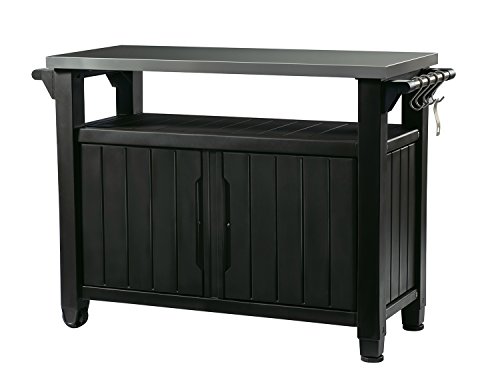
Keter Unity XL Portable Outdoor Table with Stainless Steel Top for Kitchen Prep and Outdoor Storage Cabinet for Grilling Accessories, Dark Grey
- Exterior Dimensions: 52.7 x 20.5 x 35.5 inches
- Interior Dimensions: 40.9 x 16.3 x 18.5 inches
- Total Storage Capacity: 78 gallons
As an affiliate, we earn on qualifying purchases.
As an affiliate, we earn on qualifying purchases.