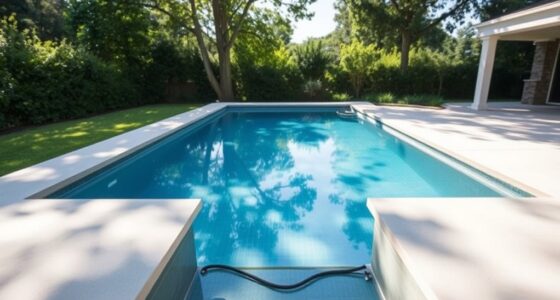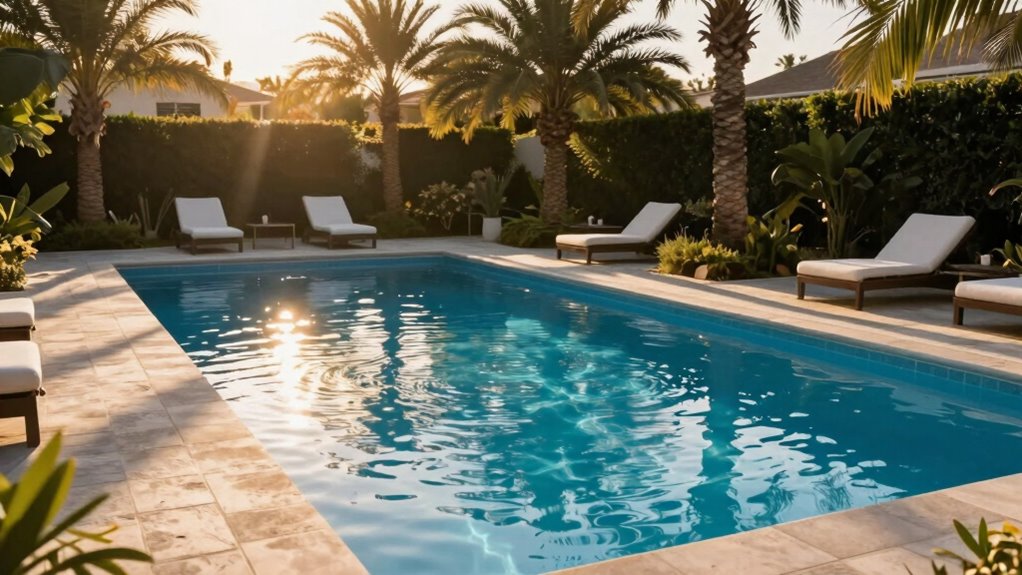
Choosing the right pool orientation is key to maximizing sunlight and minimizing shade, which helps keep your water warmer naturally and extends your swimming season. Proper placement reduces energy costs by cutting down on artificial heating and makes water clearer and safer, boosting visibility and safety. Shade from trees or structures can attract debris and algae, while sunlight shields your pool from mold and mildew. Keep exploring to discover how perfect positioning can make your pool life easier and more enjoyable.
Key Takeaways
- Proper orientation maximizes sunlight exposure, naturally warming the water and extending swimming seasons.
- Sunlight reduces algae growth and keeps water clearer, simplifying maintenance.
- Correct positioning enhances safety by improving visibility and reducing shaded, debris-prone areas.
- Shaded zones can attract debris and insects, impacting water quality and pool cleanliness.
- Optimized orientation lowers energy costs by decreasing the need for artificial heating and extensive chemical treatments.
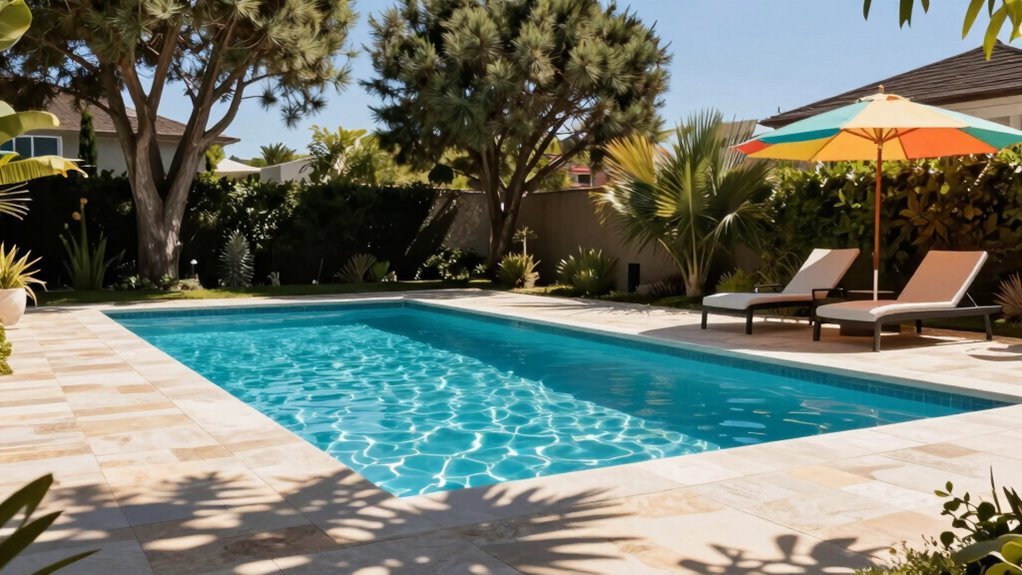
Choosing the right pool orientation can considerably impact how much sunlight your pool receives throughout the day. When planning, you need to think about how the sun moves across the sky and how that affects your pool’s exposure. Proper orientation helps you maximize sunlight, which is essential for keeping your pool warm naturally, reducing energy costs, and encouraging quicker water evaporation. But it’s also about more than just temperature and efficiency; it’s about safety considerations and ease of maintenance. A well-oriented pool can prevent issues like algae growth, which thrive in shaded, damp areas, making your pool easier to maintain. Sunlight helps keep the water clearer and limits mold or mildew buildup around the edges, making pool maintenance more straightforward and less time-consuming.
On the safety front, a pool that gets ample sunlight can be safer during use because it provides better visibility. Bright, sunlit water makes it easier to see swimmers, especially children, reducing the risk of accidents. If your pool is shaded or poorly lit, you might struggle to keep an eye on swimmers, increasing safety concerns. Proper orientation also means considering wind and shade from nearby structures or trees, which can create dark spots or stagnant water areas. These shaded zones can attract debris, insects, and algae, which not only complicate maintenance but also pose safety hazards if not addressed quickly. Additionally, solar radiation can help reduce the growth of unwanted bacteria and algae, making your pool safer and easier to keep clean. Incorporating climate considerations into your planning can further enhance the pool’s longevity and performance. Understanding the orientation and positioning of your pool is also crucial for optimizing energy efficiency, which can significantly lower operational costs over time.
Beyond safety and maintenance, thinking about pool orientation affects your overall enjoyment. If your pool is positioned to take advantage of the sun’s path, you’ll likely spend more time swimming and relaxing. You won’t have to cover or shade the pool constantly, which saves effort and enhances your experience. Additionally, a sunlit pool tends to stay warmer longer, extending your swimming season naturally. If you’re concerned about energy costs, a well-oriented pool reduces the need for additional heating or extensive chemical treatments, since sunlight naturally keeps the water warmer and cleaner.
Lastly, remember that the orientation impacts privacy and landscape design as well. Positioning the pool so it benefits from natural shade during the hottest parts of the day can keep the area comfortable without relying solely on artificial shading. This thoughtful planning not only improves safety and reduces maintenance but also makes your pool more enjoyable and energy-efficient. In the end, choosing the right orientation isn’t just about aesthetics; it’s about creating a safer, easier-to-maintain, and more inviting outdoor space that maximizes sunlight benefits.

VEVOR Solar Pool Cover, 28 x 14 ft Rectangle Solar Cover 16 mil for Pools, Inground Above Ground Swimming Pool Solar Blanket with Bubble, Heat Retaining Solar Covers Blue
Extend Swimming Season: Embrace warmth with VEVOR solar pool cover, which efficiently absorbs heat during the day and…
As an affiliate, we earn on qualifying purchases.
As an affiliate, we earn on qualifying purchases.
Frequently Asked Questions
How Does Wind Affect Pool Temperature?
Wind affects your pool temperature by increasing wind chill and promoting evaporative cooling. When wind blows across the water surface, it strips away warm, moist air, making the water feel cooler and lowering its temperature. This process accelerates heat loss, especially on windy days. To keep your pool warmer, consider installing windbreaks or covers, which help reduce wind chill and evaporation, maintaining a more consistent and comfortable swimming temperature.
Can Pool Orientation Impact Energy Costs?
Your pool’s orientation can considerably impact energy costs. Properly aligned, it maximizes solar heating, reducing reliance on electric or gas heaters and lowering expenses. If privacy considerations are also factored in, positioning the pool to block wind or neighbor views can prevent heat loss and keep it warmer naturally. While it’s a practical strategy, you should weigh these benefits against aesthetic and privacy needs to find the best setup for your yard.
What Are Best Practices for Shading Pools?
To optimize pool shading, you should incorporate effective shade solutions like umbrellas, pergolas, or retractable canopies. Position these shading options strategically to block the harsh afternoon sun and create comfortable, shaded areas. Using natural shade from trees can also help, but make sure they don’t drop debris into the pool. Regularly adjust and maintain shade solutions for maximum effectiveness, making your pool more inviting and reducing cooling costs.
How Does Pool Orientation Influence Maintenance Needs?
Your pool’s orientation directly impacts maintenance needs. If it faces the sun, you’ll need a pool cover more often to prevent algae growth caused by warm, sunny conditions. Conversely, a shaded pool reduces algae, but debris might accumulate faster, requiring regular cleaning. Proper orientation minimizes these issues, making maintenance easier and less frequent. Adjust your pool cover and cleaning schedule accordingly to keep your pool inviting and easy to care for.
Does Pool Orientation Affect Water Chemistry?
Think of your pool as a mirror reflecting your lifestyle—its orientation influences water chemistry more than you might realize. Yes, it affects water circulation, which impacts how chemicals disperse and maintain balance. Proper circulation keeps your pool’s aesthetics pristine and prevents algae buildup. By choosing the right orientation, you help guarantee consistent water chemistry, making maintenance easier and your swimming experience more enjoyable.
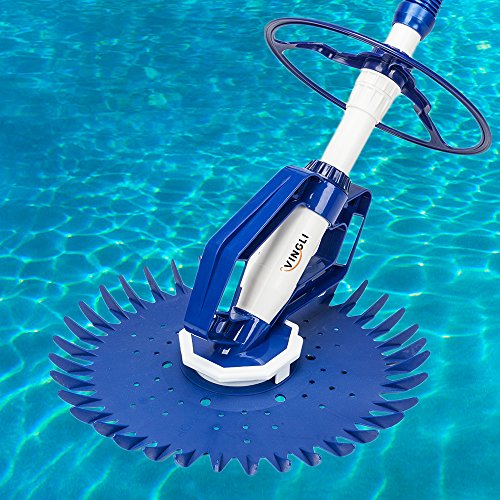
VINGLI Pool Vacuum Cleaner Automatic Sweeper Swimming Pool Creepy Crawler Vacuum with 33FT Hoses (Navy Blue&White)
Note:The vacuum requires at least a 3/4hp swimming pool pump or 1600ghp to function properly.
As an affiliate, we earn on qualifying purchases.
As an affiliate, we earn on qualifying purchases.
Conclusion
Choosing the right pool orientation means more than just a direction; it means maximizing sun, minimizing shade, and creating a perfect oasis. It’s about embracing sunlight when you want warmth, enjoying shade when you need relief, and designing a space that feels natural and inviting. When you pay attention to orientation, you enhance relaxation, boost comfort, and elevate your outdoor experience. So, consider your sun and shade carefully, and let your pool become your personal sanctuary.

Swim Float Kids Back Belt: Pool Safe Dual-Lock Buckle 140lbs Pull-Tested – Zero Slip-Off Risk Trainer Bubble – 4-Layer Adjustable Buoyancy for Swimmers 3-12 Yrs
SAFETY TRUST CUSTOM DUAL BUCKLES CPSIA COMPLIANCE SWIM FLOAT: Kids Floaties For Pool Safety Buckles Are Designed To…
As an affiliate, we earn on qualifying purchases.
As an affiliate, we earn on qualifying purchases.

NYMPHY Solar Lights Outdoor Waterproof IP68, 56 LED 3 Lighting Modes Solar Powered Garden Yard Spot Solar Lights for Outside Landscape- 4 Pack (Warm White)
NYMPHY Solar Lights 4 Pack: Equipped with 56 amazing LEDs (market leading). Solar spot outdoor lights will create…
As an affiliate, we earn on qualifying purchases.
As an affiliate, we earn on qualifying purchases.