To create a low-stress pool maintenance routine, set a simple schedule by testing water chemistry twice a week and cleaning filters on a designated day. Use reliable test kits and automate tasks with robotic cleaners or chemical feeders to cut down manual effort. Keep a maintenance log to track activities and spot issues early. Consistency is key, and sticking to your routine makes pool care feel effortless—keep going, and you’ll discover even more tips to stay ahead.
Key Takeaways
- Establish a consistent schedule for testing, cleaning, and chemical adjustments to create routine and reduce last-minute stress.
- Use automation and reliable tools to handle routine tasks efficiently and minimize manual effort.
- Keep a maintenance log to track activities, identify issues early, and stay organized.
- Perform weekly equipment inspections and filter cleanings to prevent unexpected malfunctions.
- Simplify tasks with checklists and set specific days for different maintenance activities to avoid feeling overwhelmed.
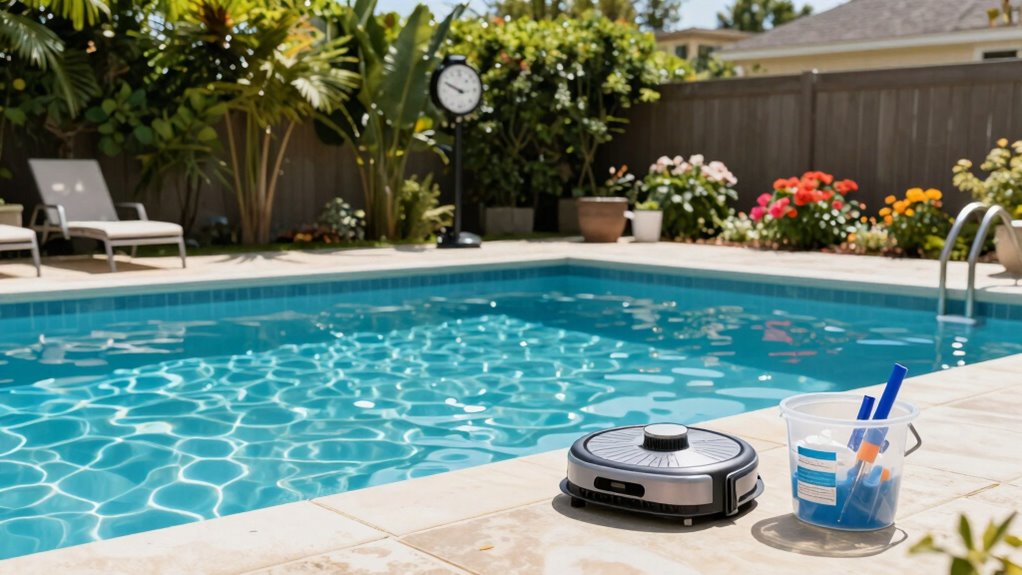
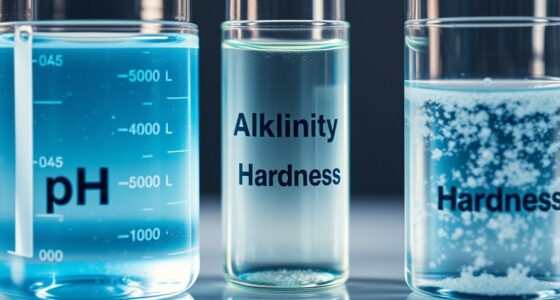
Maintaining a clean and healthy pool requires a regular routine that keeps the water balanced and free of debris. To make this process less stressful, establish simple, consistent habits that become part of your weekly schedule. The foundation of an easy pool maintenance routine is understanding the importance of maintaining the chemical balance. Regularly testing your water’s pH, alkalinity, and sanitizer levels ensures the water remains safe and comfortable. Use test strips or a reliable testing kit, and check these levels at least twice a week, especially during peak swimming season. When your pH gets too high or low, or if sanitizer levels drop, take quick action to adjust using pool chemicals. Keeping the chemical balance steady prevents algae growth, cloudiness, and irritation for swimmers, reducing the need for emergency treatments.
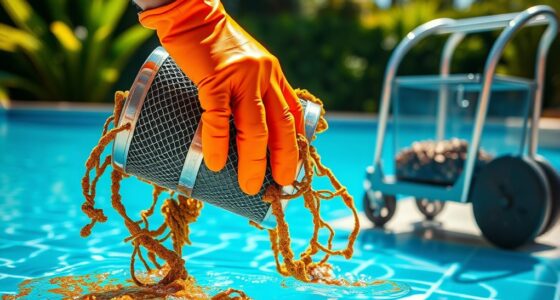
In addition to water chemistry, routine equipment inspection is key to a smooth maintenance process. Make it a habit to inspect your pool equipment weekly, looking for signs of wear or malfunction. Check the pump, filter, and skimmer for debris, leaks, or unusual noises. Clean the filter regularly—whether it’s a cartridge, sand, or DE filter—to ensure proper water circulation and filtration. Proper equipment functioning prevents problems like cloudy water or algae buildup, saving you time and stress later on. Also, examine the pool’s surface and walls for algae or dirt, and brush or vacuum as needed. This proactive approach keeps your pool looking pristine and reduces the effort required for deep cleaning. Additionally, maintaining natural filtration systems can support a healthier environment and reduce chemical dependency. Incorporating regular maintenance routines can also improve overall pool health and longevity. Regularly reviewing your maintenance checklist helps you stay on top of all necessary tasks and ensures no step is overlooked. A consistent schedule helps you catch potential issues early before they become major problems.
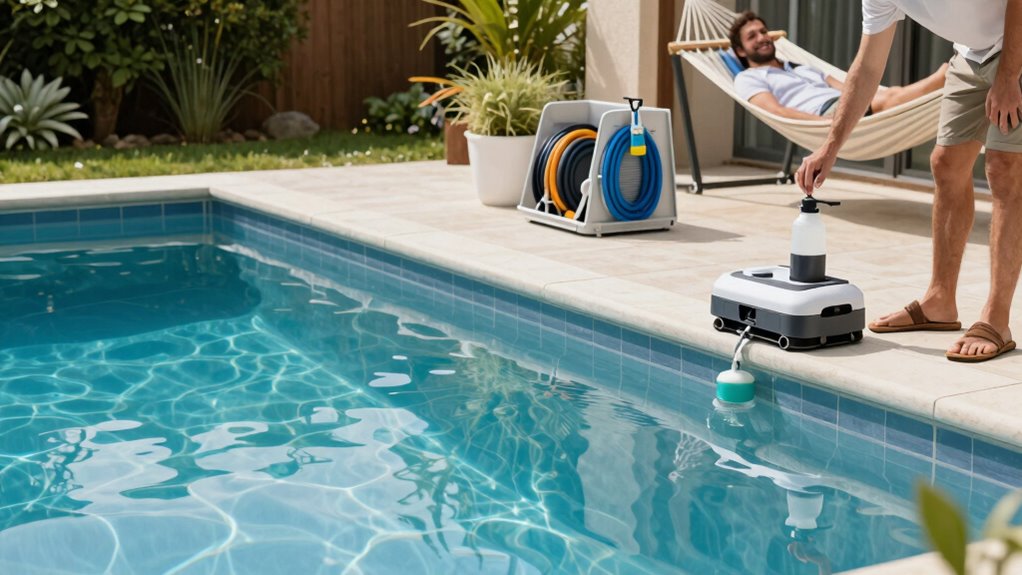
Scheduling your maintenance tasks on specific days helps solidify routines and prevents neglect. For example, test water chemistry every Monday and Wednesday, clean the filter on Saturday, and skim debris daily if needed. Keeping a simple log of your activities can help you stay organized and identify patterns or recurring issues. Over time, these routine checks become second nature, so they don’t feel like chores. Remember, the goal is consistency, not perfection. Staying on top of chemical balance and equipment inspection means fewer surprises, fewer emergency clean-ups, and more time enjoying your pool. Using automatic devices can also streamline your routine, making pool care even more manageable. Finally, consider investing in automatic devices like a robotic cleaner or a chemical feeder. These tools can handle some of the routine work without your constant involvement, further reducing stress. Using projector technology in your pool area, such as ambient lighting or outdoor screens, can also enhance your relaxation and entertainment experience. With a clear, manageable routine that combines regular testing, equipment maintenance, and smart use of technology, you’ll find pool care becomes less of a hassle and more of a simple part of your weekly routine.
pool water test kit
As an affiliate, we earn on qualifying purchases.
As an affiliate, we earn on qualifying purchases.
Frequently Asked Questions
How Often Should I Replace My Pool Filters?
You should replace your pool filters based on their types and the filter replacement frequency recommended by the manufacturer. Generally, sand filters last 5-7 years, cartridge filters need replacing every 1-3 years, and DE filters should be checked annually, replacing the grids as needed. Regularly inspect your filters for signs of wear or clogging, and follow the specific guidelines for your filter type to keep your pool clean and functioning efficiently.
What Are the Signs of a Chemical Imbalance?
Did you know that over 80% of pool issues stem from chemical imbalance? You’ll notice signs like cloudy water, strong chlorine smell, or skin irritation, indicating your pool’s chemical stability is off. Check pH levels regularly; if they’re too high or low, it can cause problems. Maintaining proper pH helps keep your water clear and balanced, making pool care easier and more enjoyable.
How Do I Prevent Algae Growth in My Pool?
To prevent algae growth, you should prioritize algae prevention by regularly shocking your pool and maintaining proper sanitizer levels. Guarantee consistent water circulation by running your pump daily, which helps distribute chemicals evenly and prevents stagnant spots where algae thrive. Keep your pH balanced, clean your filter often, and skim debris regularly. These steps create an environment less hospitable to algae, making pool maintenance easier and your swimming experience more enjoyable.
Can I Maintain My Pool Without Professional Help?
Yes, you can maintain your pool without professional help by establishing a simple routine. Focus on pool safety by regularly checking chemical levels and cleaning filters. Create a maintenance schedule that includes weekly skimming, brushing, and testing water. Use a pool cover when not in use to reduce debris. With consistent effort, you’ll keep your pool clean and safe, minimizing the need for professional intervention while enjoying stress-free swimming.
What Tools Are Essential for DIY Pool Maintenance?
Imagine your pool as a treasure chest—you need the right tools to keep it gleaming. You’ll want a sturdy skimmer for removing debris and regular skimmer maintenance to prevent clogs. A reliable pool cover cleaner keeps your cover spotless, extending its life. Add a net, brush, and test kit to your toolkit. These essentials make DIY pool care manageable, ensuring your oasis stays inviting without stress.

Hayward Automatic Chlorine Feeder, 9lbs, in-Line (incl Mounting Base) (Open Line) CL200EF
X-Ring seal provides long life and easy cover removal
As an affiliate, we earn on qualifying purchases.
As an affiliate, we earn on qualifying purchases.
Conclusion
By establishing a simple, consistent routine, you’ll keep your pool inviting and stress-free—like a well-tuned orchestra. Remember, even the most harmonious symphony requires regular tuning; neglecting maintenance turns a peaceful melody into dissonance. So, stay proactive with your pool care, and you’ll enjoy clear waters without the chaos. In doing so, you create your own oasis, a sanctuary where relaxation flows as smoothly as a song well-played.

Robotic Pool Cleaner, Powerful Robotic Cleaner with Dual Suction Inlets, Cordless Automatic Pool Cleaner for In-Ground & Above Ground Pools, 130-Min Runtime, Lightweight Design with Auto Park Feature
【Powerful Dual Suction Inlets】Experience a superior clean with our robotic pool cleaner, engineered with dual suction inlets and…
As an affiliate, we earn on qualifying purchases.
As an affiliate, we earn on qualifying purchases.
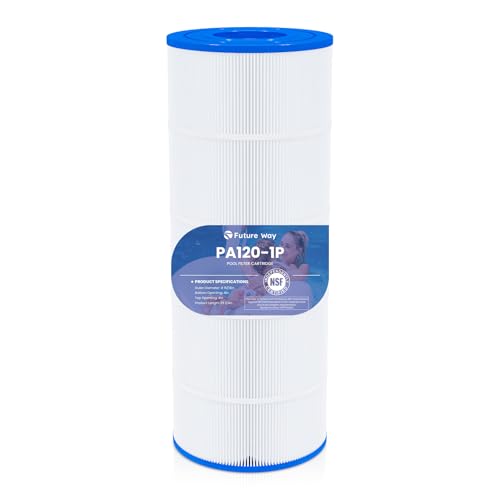
Future Way C1200 Pool Filter Cartridge Replacement for Hayward Star Clear Plus C1200, Replace Pleatco PA120, Hayward CX1200RE, Unicel C-8412, 120 sq.ft
Perfect Match: Compatible with Hayward Star Clear Plus C1200 pool filter. Replacement for Hayward CX1200RE, Pleatco PA120/PA120-4, Unicel…
As an affiliate, we earn on qualifying purchases.
As an affiliate, we earn on qualifying purchases.