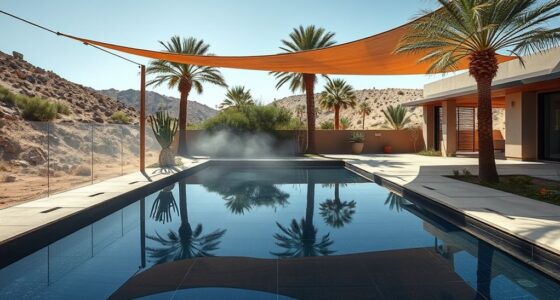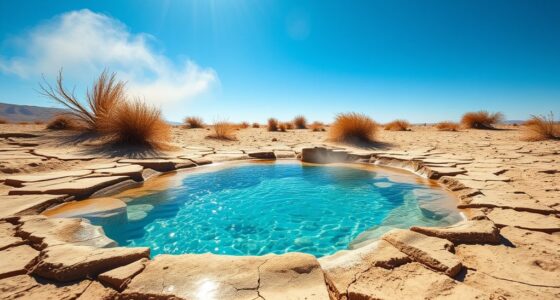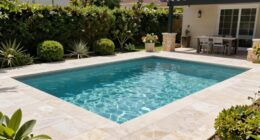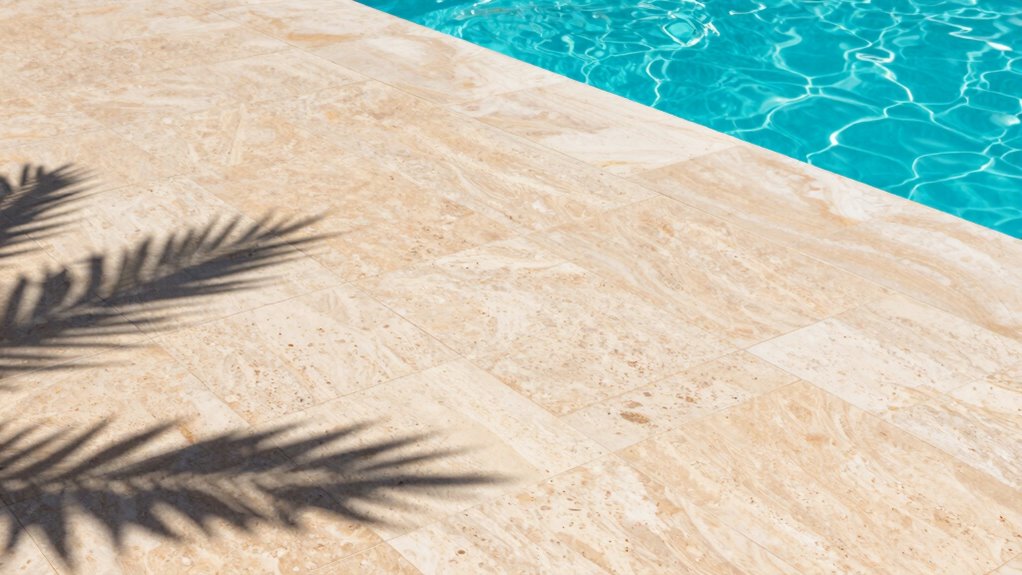

In hot climates, choose pool deck materials that stay cool, such as light-colored composites, bamboo, or eco-friendly concrete with recycled aggregates. Look for slip-resistant, textured surfaces to prevent accidents, especially when wet. Prioritize durability and easy maintenance with non-porous options that resist mold and stains. Eco-friendly choices not only reduce environmental impact but also enhance sustainability. Want to discover more ways to keep your pool area safe, comfortable, and eco-conscious? Keep exploring!
Key Takeaways
- Opt for light-colored, reflective materials like lighter concrete or composite decking to reduce surface heat.
- Choose slip-resistant, textured surfaces to prevent slips when wet, especially in hot weather.
- Prioritize eco-friendly, durable options such as recycled composites or bamboo for sustainability and heat resistance.
- Use non-porous surfaces like treated concrete or porcelain pavers for easier maintenance and mold resistance.
- Consider heat-resistant, reflective materials to lower surface temperatures and improve outdoor comfort.
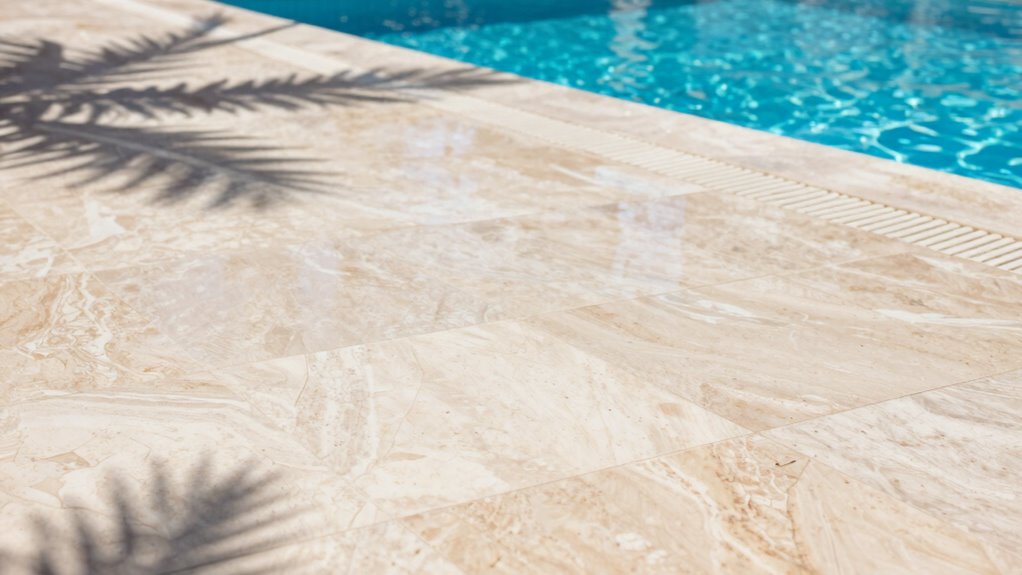
When selecting pool deck materials for hot climates, you need options that can withstand high temperatures without becoming dangerously hot or slippery. The right choice not only enhances safety but also reduces the ongoing effort required for pool deck maintenance. In hot environments, some materials tend to absorb and retain heat, making barefoot walks uncomfortable or even hazardous. To avoid this, you should consider materials with high solar reflectance that stay cooler under direct sunlight. Additionally, slip resistance is vital, especially when water splashes onto the surface. Choosing textured or matte finishes can help prevent slips and falls, making your pool area safer for everyone.
Eco-friendly materials are gaining popularity because they offer sustainable benefits along with safety and durability. For instance, recycled composite decking made from reclaimed wood fibers and plastic is resistant to moisture, pests, and rot, making it a low-maintenance, environmentally conscious choice. These materials typically require less chemical treatment and have a longer lifespan, reducing the need for frequent replacements and repairs. Bamboo, another sustainable option, is naturally durable and can stay cooler than traditional concrete or stone surfaces. Moreover, some eco-friendly concrete mixes incorporate recycled aggregates, which lower the environmental impact while still providing a sturdy, heat-resistant surface.
When it comes to pool deck maintenance, selecting materials that resist mold, algae, and staining simplifies upkeep. Porous materials like certain types of natural stone can absorb water and debris, leading to more frequent cleaning. Conversely, non-porous surfaces such as porcelain pavers or treated concrete are easier to clean and less prone to harboring mold or algae growth. Regular cleaning with eco-friendly solutions can extend the lifespan of your deck and keep it looking attractive. Also, consider the color of your materials; lighter shades reflect more sunlight, keeping the surface cooler and reducing energy costs associated with cooling the surrounding environment.
Ultimately, your choice of pool deck materials should balance safety, durability, ease of maintenance, and environmental impact. By selecting options that are resistant to high temperatures and slippery conditions, you enhance safety and longevity. Eco-friendly materials not only support sustainable living but often require less maintenance, saving you time and money in the long run. Keep in mind that the right combination of heat resistance, slip resistance, and eco-consciousness will transform your pool area into a cooler, safer, and more sustainable outdoor retreat.

SUNNYPARK Solar Post Cap Lights Deck Fence 4×4 Outdoor Lighting for Garden, Patio (Cool White, 2 Pack)
PRODUCT SPECIFICATIONS: 10 pcs copper wire LEDs in each post cap light with an appealing crackle glass design,…
As an affiliate, we earn on qualifying purchases.
As an affiliate, we earn on qualifying purchases.
Frequently Asked Questions
How Do Pool Deck Materials Affect Cooling Costs?
Pool deck materials greatly impact your cooling costs through surface reflectivity and material durability. Light-colored surfaces reflect more sunlight, keeping the area cooler and reducing energy needed for shading or cooling. Durable materials withstand harsh weather, preventing frequent replacements that can add to costs. By choosing high-reflectivity, durable options, you lower your cooling expenses and ensure a longer-lasting, comfortable poolside environment.
Are There Eco-Friendly Options for Hot Climate Pool Decks?
Like planting a seed for future generations, you can choose eco-friendly alternatives for your hot climate pool deck. Sustainable materials such as recycled composite, permeable pavers, and natural stone reduce environmental impact and keep your space cooler. These options not only help protect the planet but also enhance your backyard’s beauty. By opting for eco-conscious choices, you create a welcoming oasis that’s both stylish and sustainable for years to come.
How Long Do Different Pool Deck Materials Typically Last?
You’ll find that concrete lasts around 25-30 years, while pavers can endure 20-25 years with proper maintenance. Wood decks typically last 10-15 years, but composite materials may reach 25-30 years. When considering pool deck aesthetics, choose materials that suit your climate and style. Use material installation tips like proper sealing and drainage to extend longevity, ensuring your deck remains attractive and functional for years to come.
Can I Install Heating or Cooling Features on My Pool Deck?
Yes, you can install heating or cooling features on your pool deck to enhance comfort and aesthetics. When considering material installation, choose heat-resistant and durable options like concrete or tile that can handle temperature changes. Guarantee proper wiring and insulation for safety and efficiency. Incorporating these features enhances your pool deck’s aesthetics, making it more inviting year-round, but always consult professionals for proper installation tailored to your specific deck materials.
What Maintenance Is Required for Various Deck Materials?
Ever wonder if your pool deck will stand the test of time? Regular maintenance depends on your deck surface and material durability. For concrete, reseal annually to prevent cracks. Wood needs sealing and staining every few years to resist weathering. Stone or tile decks require cleaning and grouting checks. Is your deck ready to withstand hot climates? Proper upkeep guarantees your pool area remains safe, attractive, and durable for years to come.
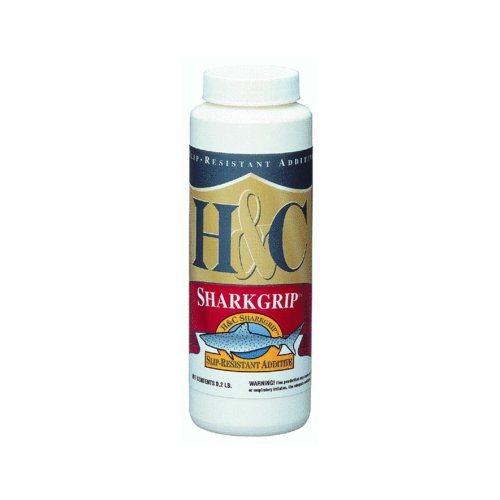
– 50.055004-99 H & C Shark Grip Slip-Resistant Additive
Paint Colorants & Additives
As an affiliate, we earn on qualifying purchases.
As an affiliate, we earn on qualifying purchases.
Conclusion
Choosing the right pool deck material in hot climates is like planting seeds for a long-lasting oasis. It’s about balancing durability, heat reflection, and safety to create a cool, inviting space. When you pick wisely, your pool area becomes a sanctuary that withstands the heatwave’s fury and welcomes you home. Remember, your deck isn’t just a surface—it’s the foundation of your outdoor paradise, shining brightly amid the scorching sun like a beacon of comfort.

Feilingwood Composite WPC Decking Tiles-FSC Eco Friendly Outdoor Deck Tiles, All Weather Waterproof Patio Flooring Decking, Easy DIY Deck Tiles Ideal for Patios, Balconies, Rooftops (Star Gray)
Durable & High Performance: Made from premium wood fibers and HDPE, and coated with an enhanced polymer layer,…
As an affiliate, we earn on qualifying purchases.
As an affiliate, we earn on qualifying purchases.

4 PCS Porcelain Swimming Pool Waterline Tile, 6" x 6" Blue Glazed Tile for Pool Floor Kitchen Backsplash Bathroom (1 Sq.Ft)
Square/Exact Size: 5.7" x 5.7" – Thickness: 0.3"
As an affiliate, we earn on qualifying purchases.
As an affiliate, we earn on qualifying purchases.